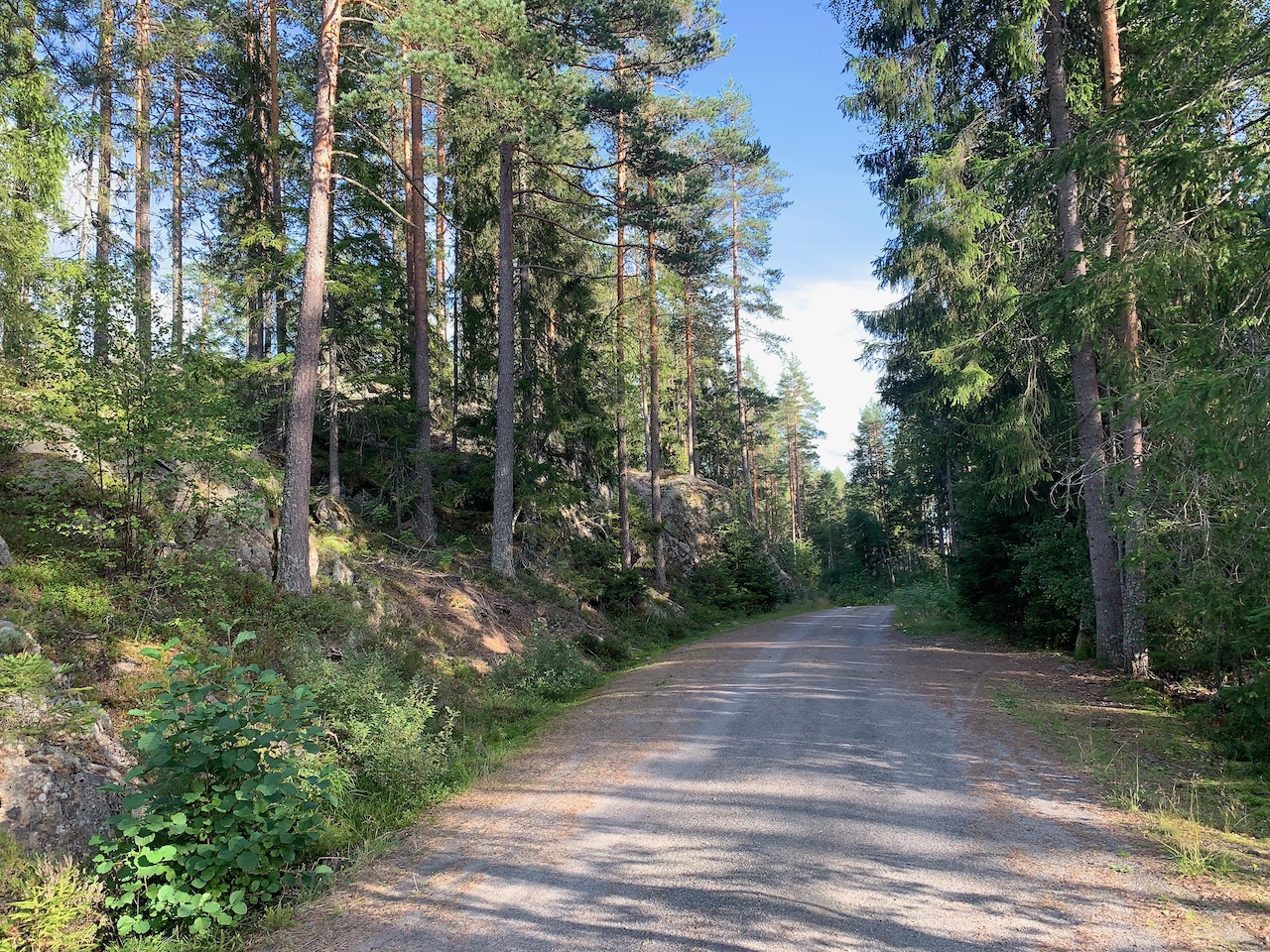
You might not expect it when you start in Oslo, but after just a kilometre and a half you will already be cycling through primeval forest! This highly varied route covers the eastern part of Greater Oslo. The variety lies in five distinct characteristics: fjord coast, farmland, border region, forest and lakes.
From Oslo, you head east through forest and farmland towards the border with Sweden. You then cycle over the rugged, wooded hills of Bjørkelangen and Rømskog to the idyllic village of Ørje. You turn west and cross the farmland and forests of flat Østfold until you reach the Oslo Fjord. From Moss, you cycle along the beautiful fjord, partly via the Borgleden pilgrimage route. From Ekebergpark, you descend to Oslo.
The Route
- Distance: 315 kilometres
- Start/end: You can start and end at any point along the route. This description is based on the pilgrim centre in Oslo.
- The route can be cycled in both directions. This description follows a clockwise direction.
- The route is not signposted.
- The GPX track can be downloaded here (version 260201).
- Road surface: asphalt and gravel.
- Difficulty: easy. The starting point is challenging in both directions. If you cycle eastwards, there are a few short steep climbs on an unpaved path through Svartsdalspark. If you go south, you have a climb to Ekebergpad. Both options are short. Otherwise, the route is mainly very gentle.
- Best season: mid-May to late September.
- Type of bicycle: all bicycles except road bikes.
- Crowds: most of the route is on low-traffic roads.
Description
Oslo - Tangen
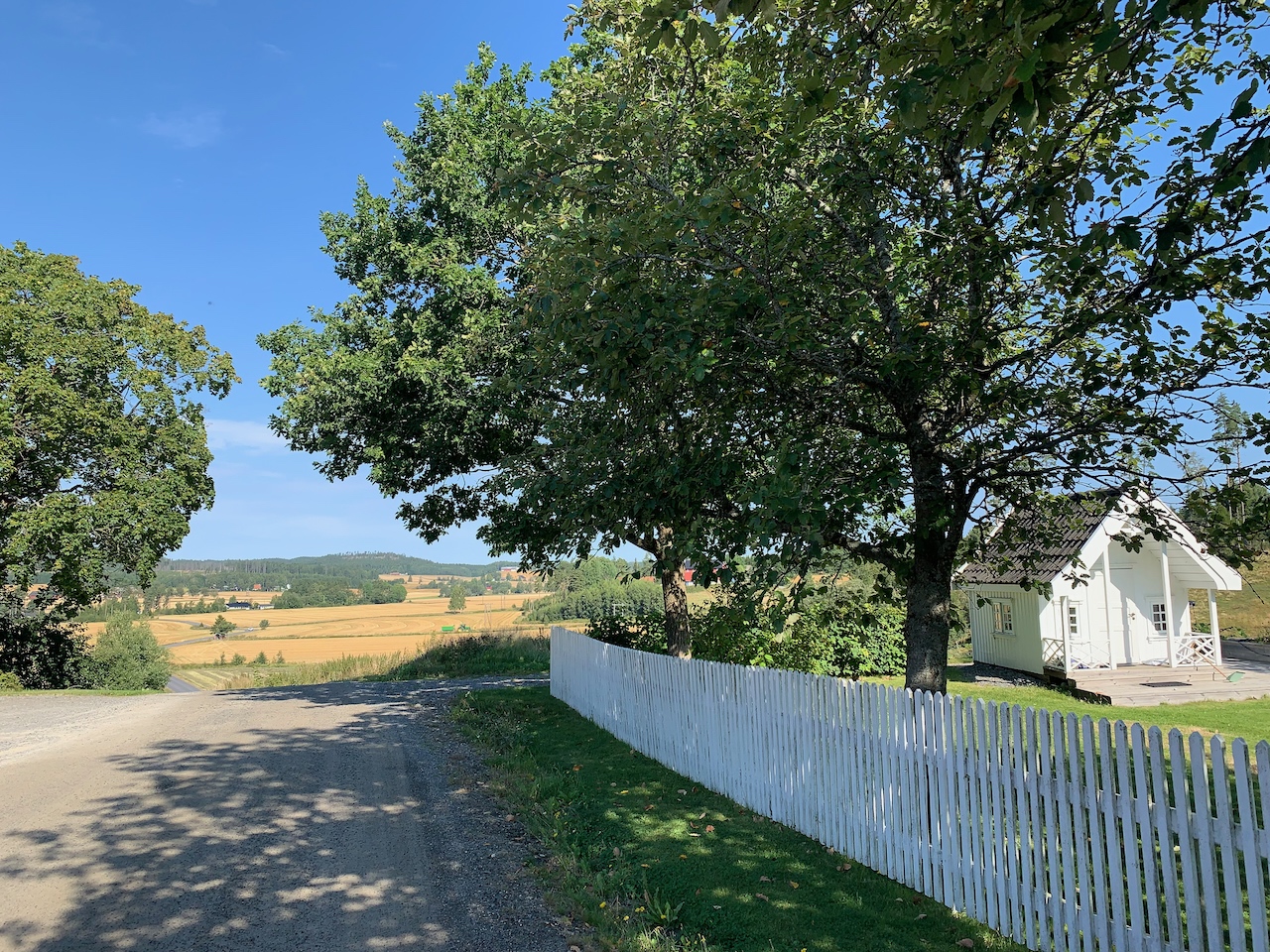
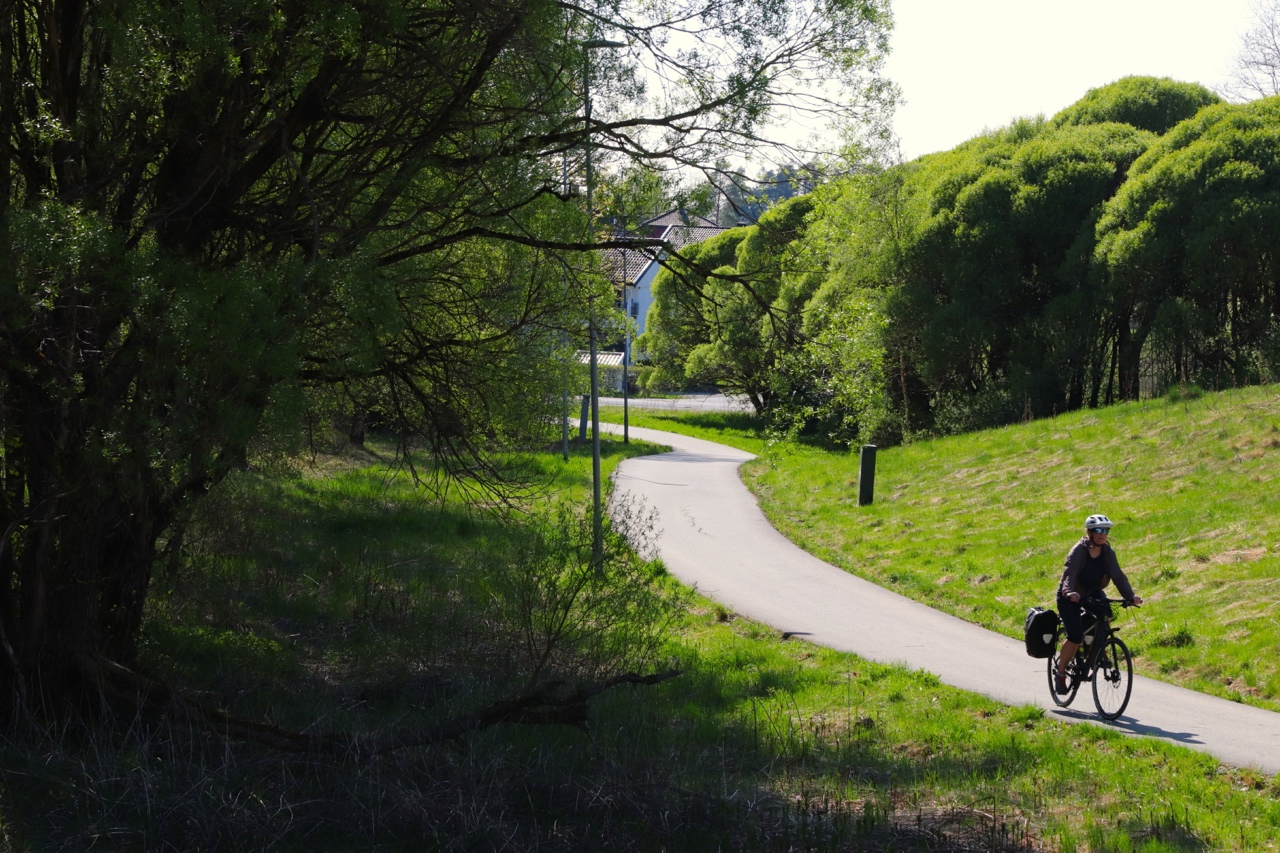
Norway shows almost all its sides in this route: urban areas, farmland, forests, lakes and hills. The first part is mainly urban, although you will be surprised that you can escape this in Oslo. Right through Norway's most densely populated and largest industrial area, you cycle through a beautiful primeval forest along a meandering river. Svartsdalsparken is a small green paradise in the big city. You hear, see and smell almost nothing but green foliage and singing birds. Once you leave the urban area, you will find yourself in hilly farmland. When you are almost in Tangen, follow rural cycle route no. 9, also known as the Wilderness Route.
Tangen - Ørje
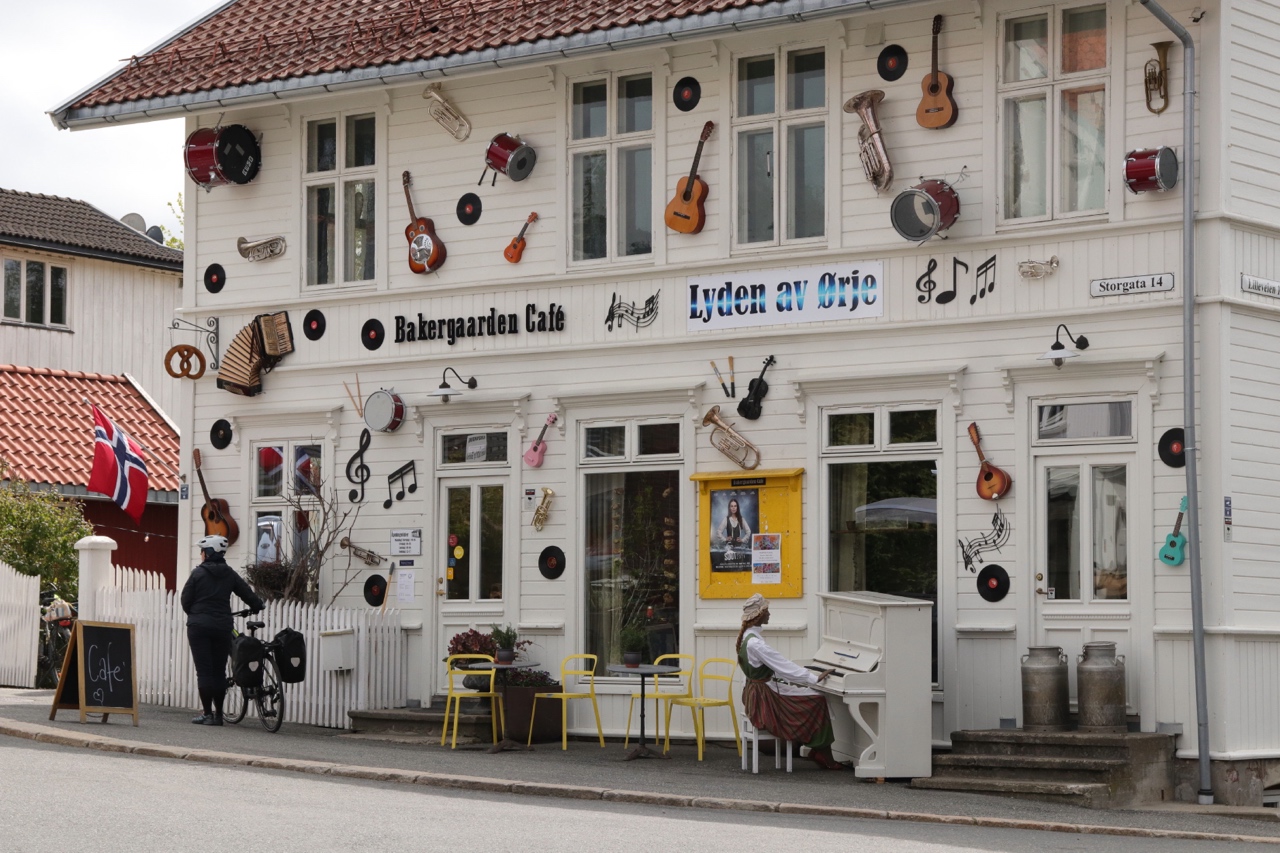
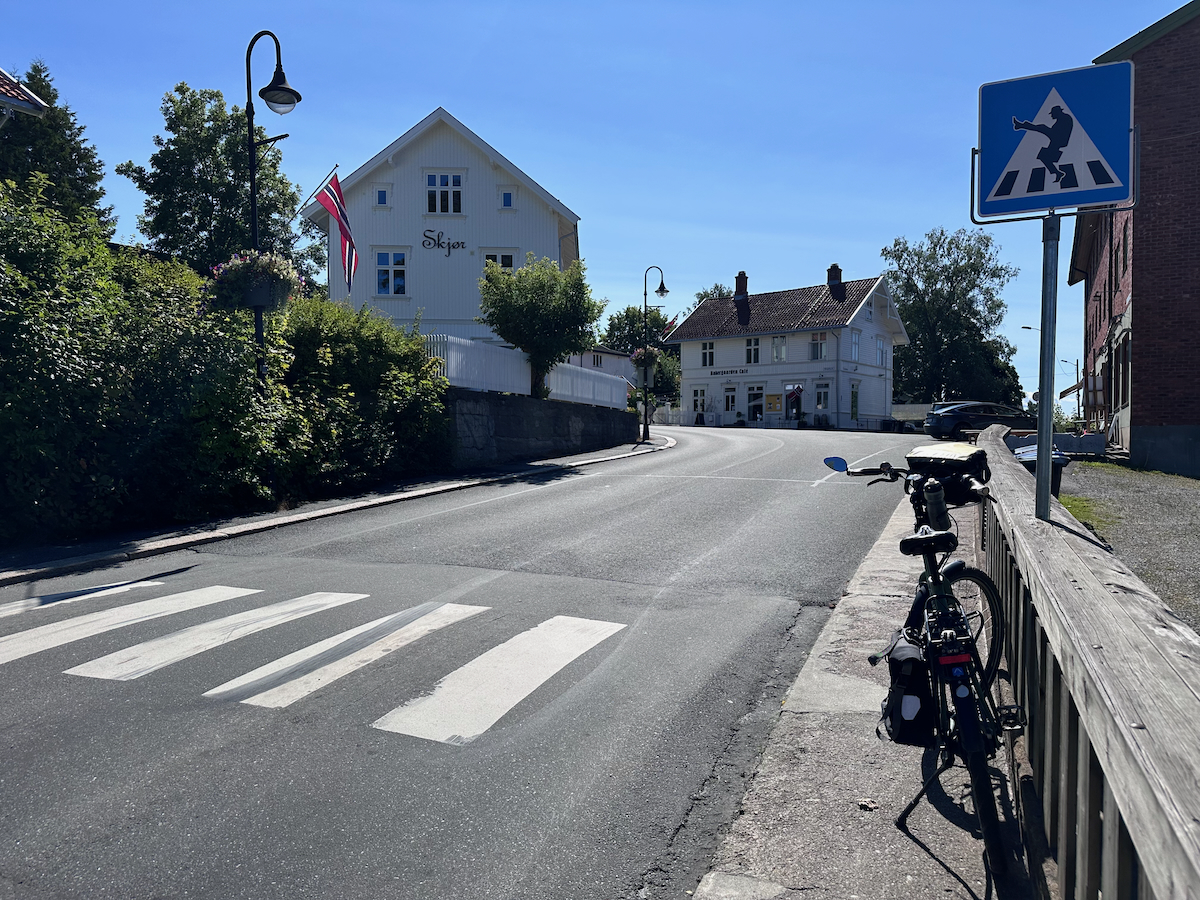
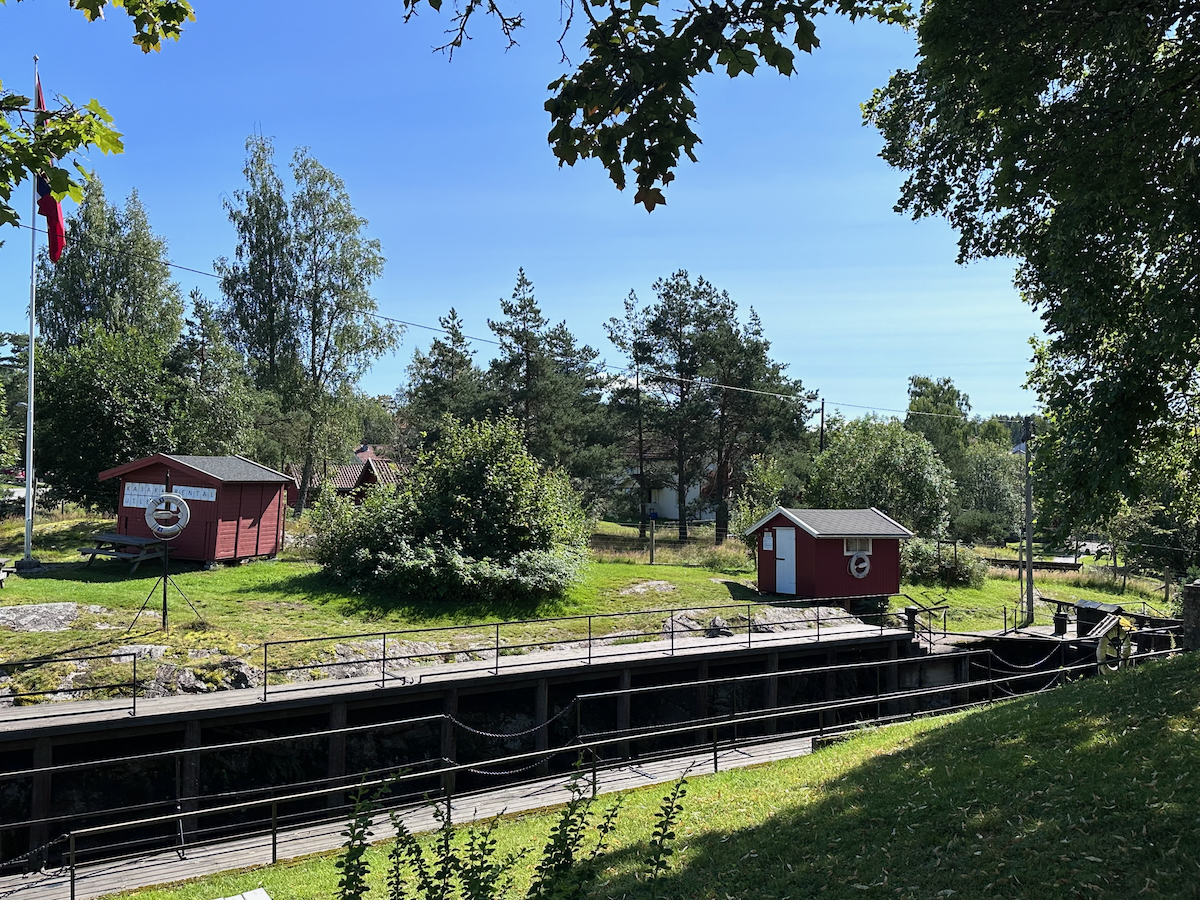
You cycle along a paved road through forests and past lakes. And sometimes along a separate cycle path. It is a beautiful nature route and you will encounter few facilities. Halfway through, you will pass through the village of Rømskog, which has a supermarket and a bicycle repair shop. Ørje is small but has so much to offer that you may want to stay an extra day. You can see the locks, learn more about the fascinating history in the canal museum and visit the gallery in Ørje Bridge. Café Bakerigaarden is located in the picturesque centre. It is perhaps the nicest café along this entire route. Don't forget to try the famous Ørjebolle there!
Tip: there is a Dutch bicycle repair shop in Rømskog. Hopefully you won't need it along the way, but if you do, you are more than welcome there...
Ørje - Moss
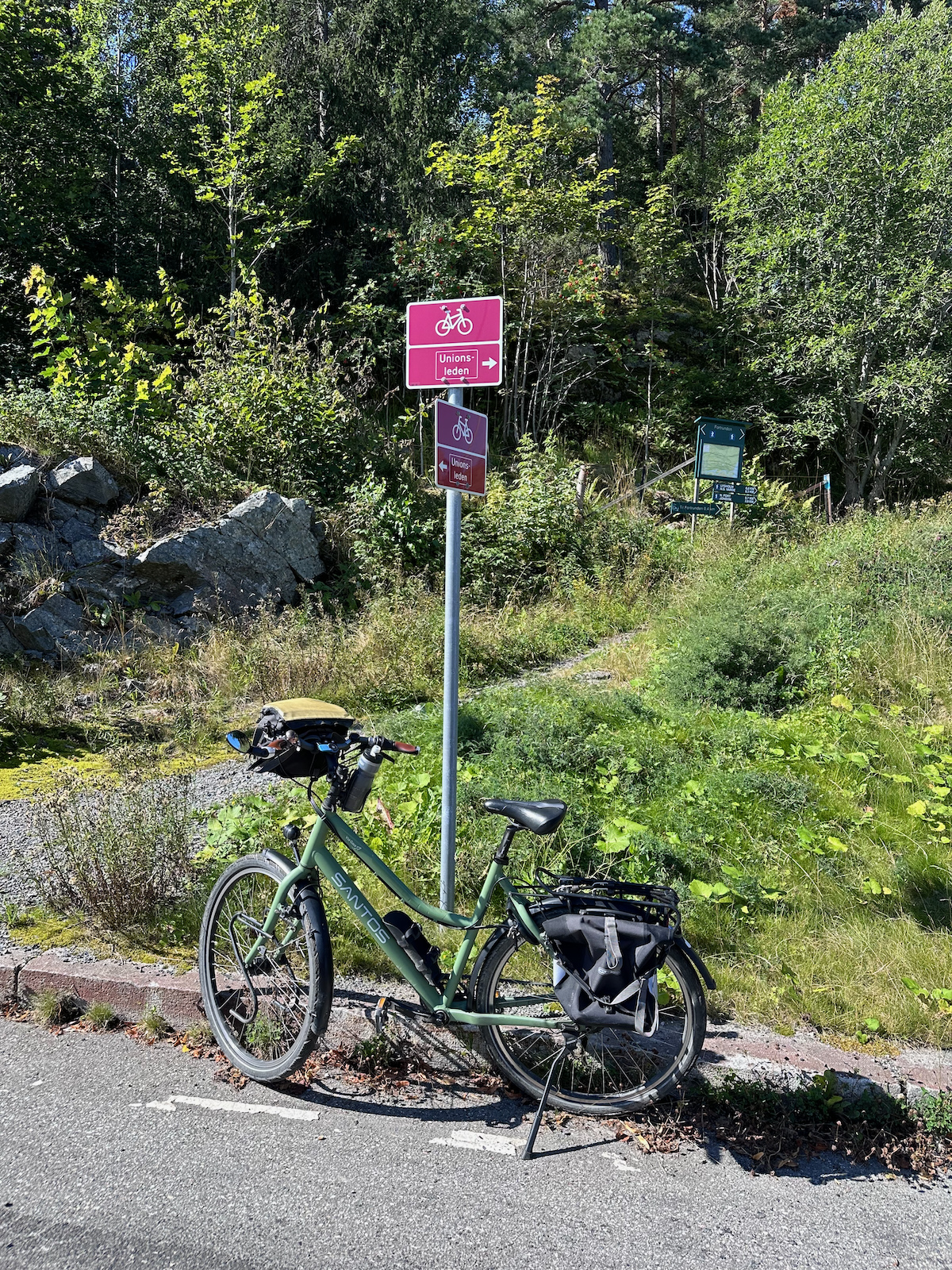
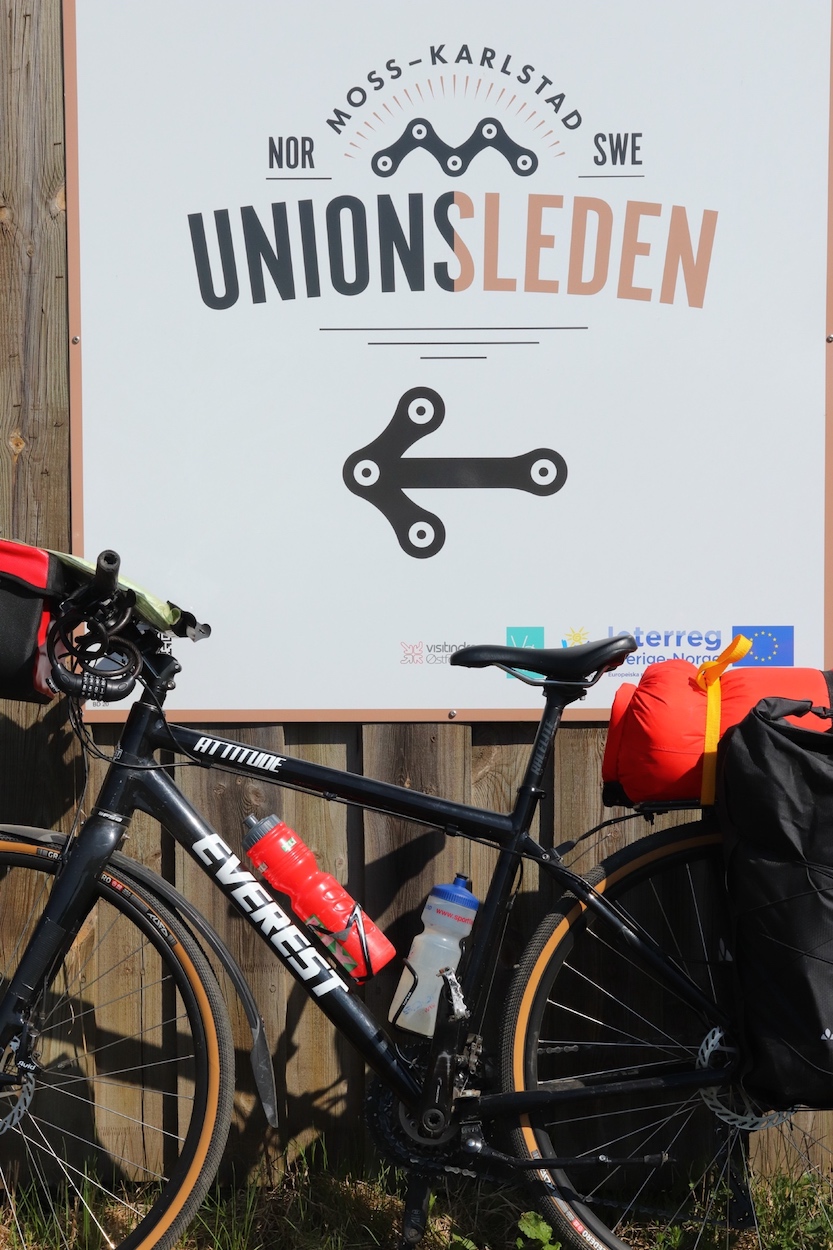
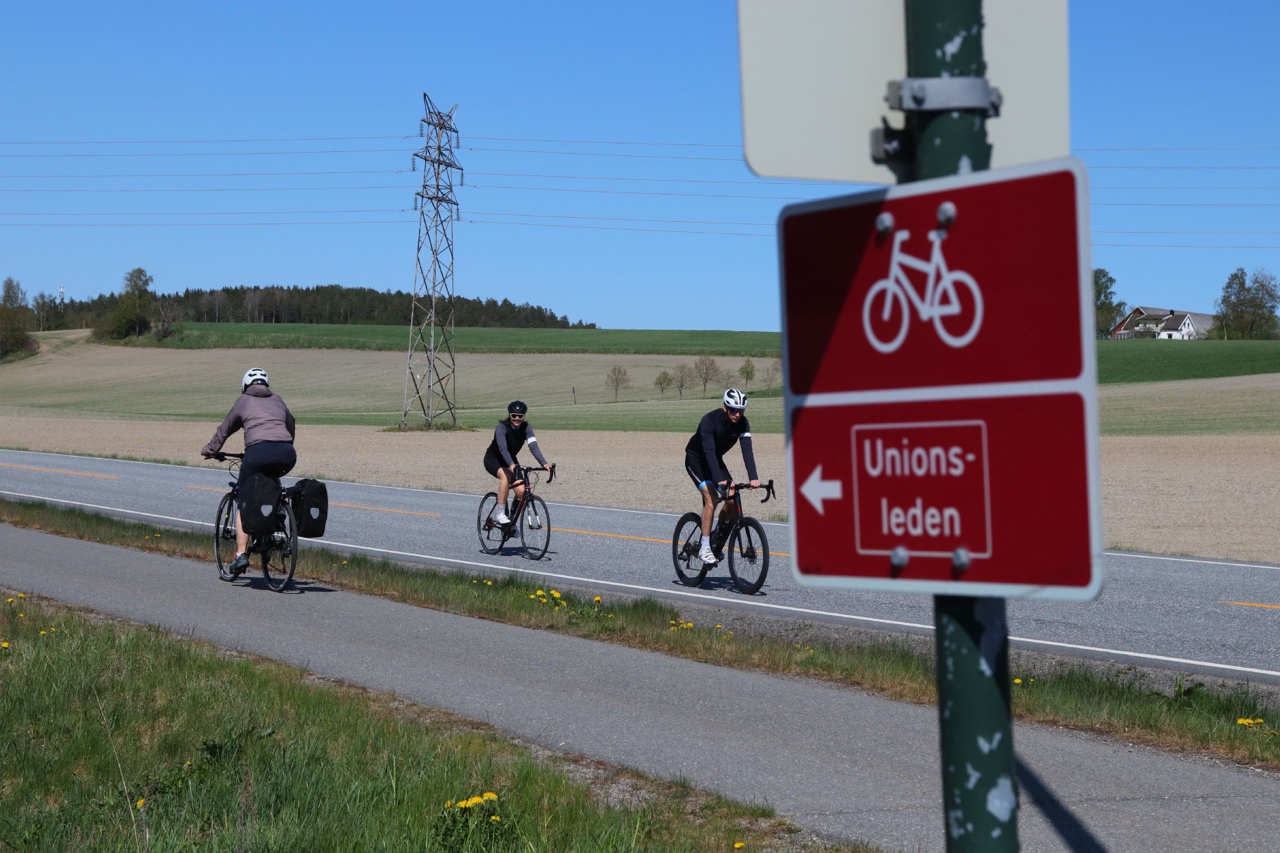
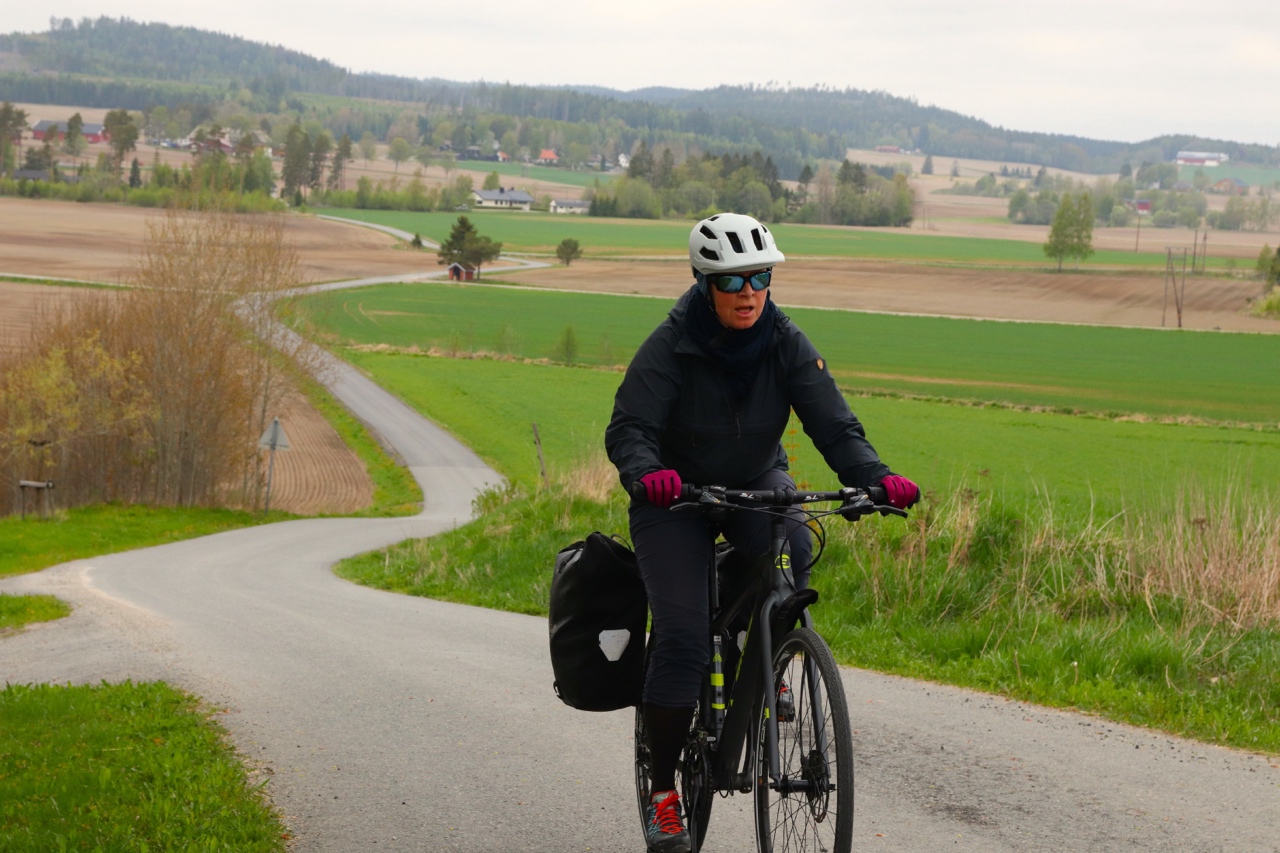
This section follows half of the Unionsleden, a 350-kilometre cycle route from Moss in Norway to Karlstad in Sweden. The name of the route is derived from the Norwegian-Swedish union that was established in Moss in 1814 and dissolved in Karlstad in 1905. This route follows 90 kilometres of the Unionsleden westwards. You cycle past fields and through farmland and forests. The rolling roads are a mix of low-traffic paved roads, grusveier (unpaved roads) and cycle paths. You will regularly pass through small villages and towns, like Mysen and Askim.
Moss - Oslo
An ancient royal road and the Borgleden pilgrimage route are central to this route.
In the summer of 1754, priest Jacob Nicolai Wilse arrived in Moss. He came from the north and described how he had to travel through rushing streams, past roaring waterfalls, over many bridges and past noisy sawmills: ‘...but the Norwegian horse ploughs through all this and hardly notices it ...’. He had come via Fredrikshaldske Kongevei. Until 1870, this royal road was the main road between Svinesund, on the Swedish border, and Oslo, which was then still called Kristiania. The royal road has been adapted for cyclists and walkers and is more beautiful and quieter than the parallel Cycle Route 7.
The Borgleden pilgrimage route also largely follows this old royal road. You cycle through forests, farmland and along the coast. And just like the Norwegian horse, your steel steed will also reach the end of the route undaunted.




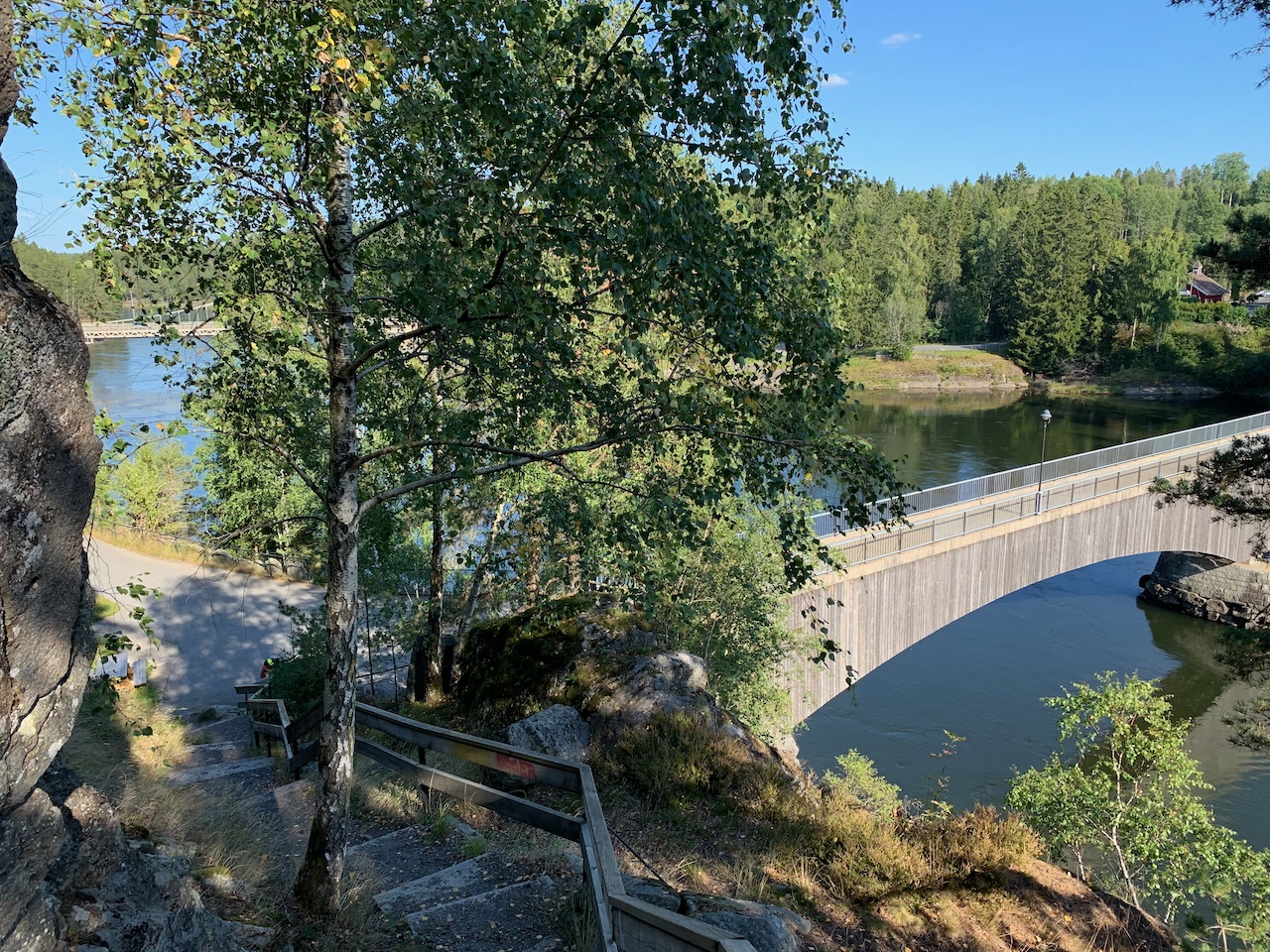



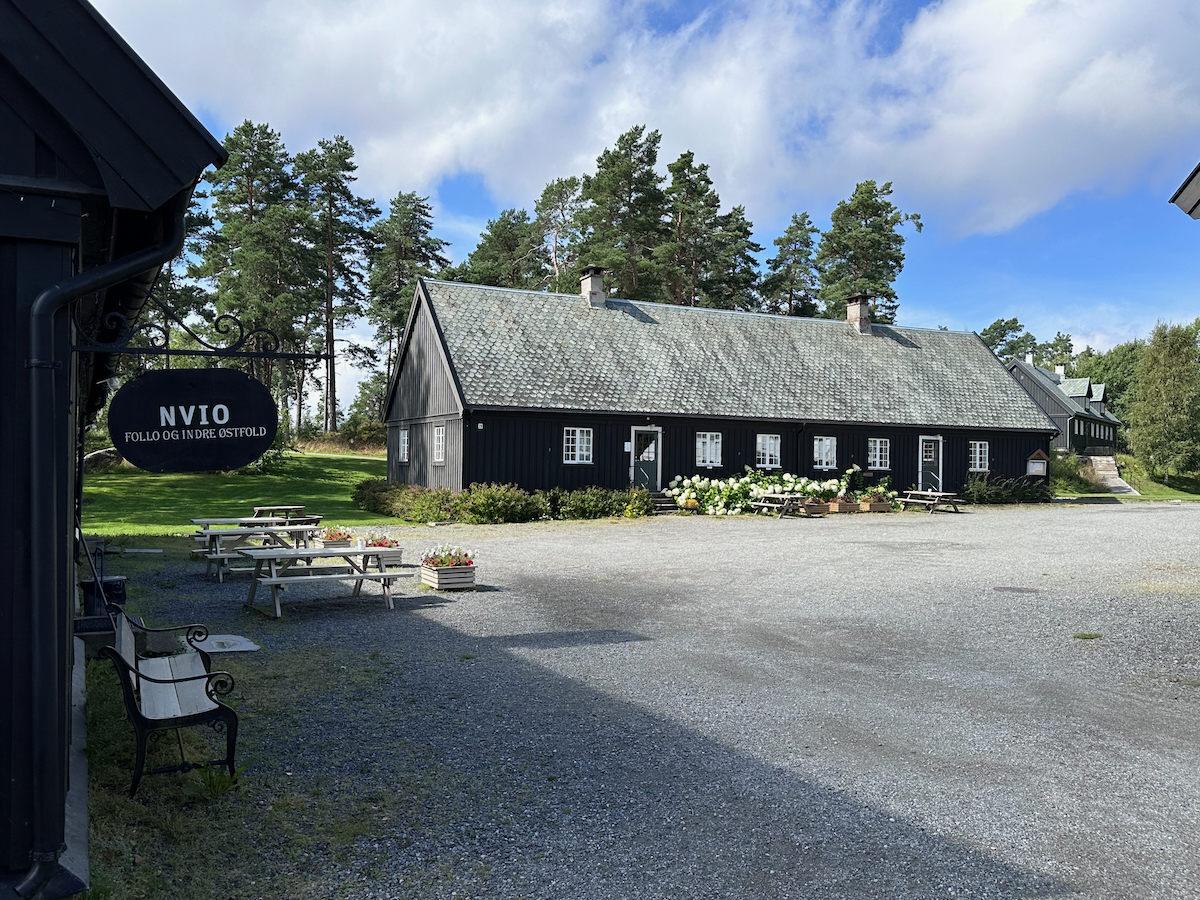

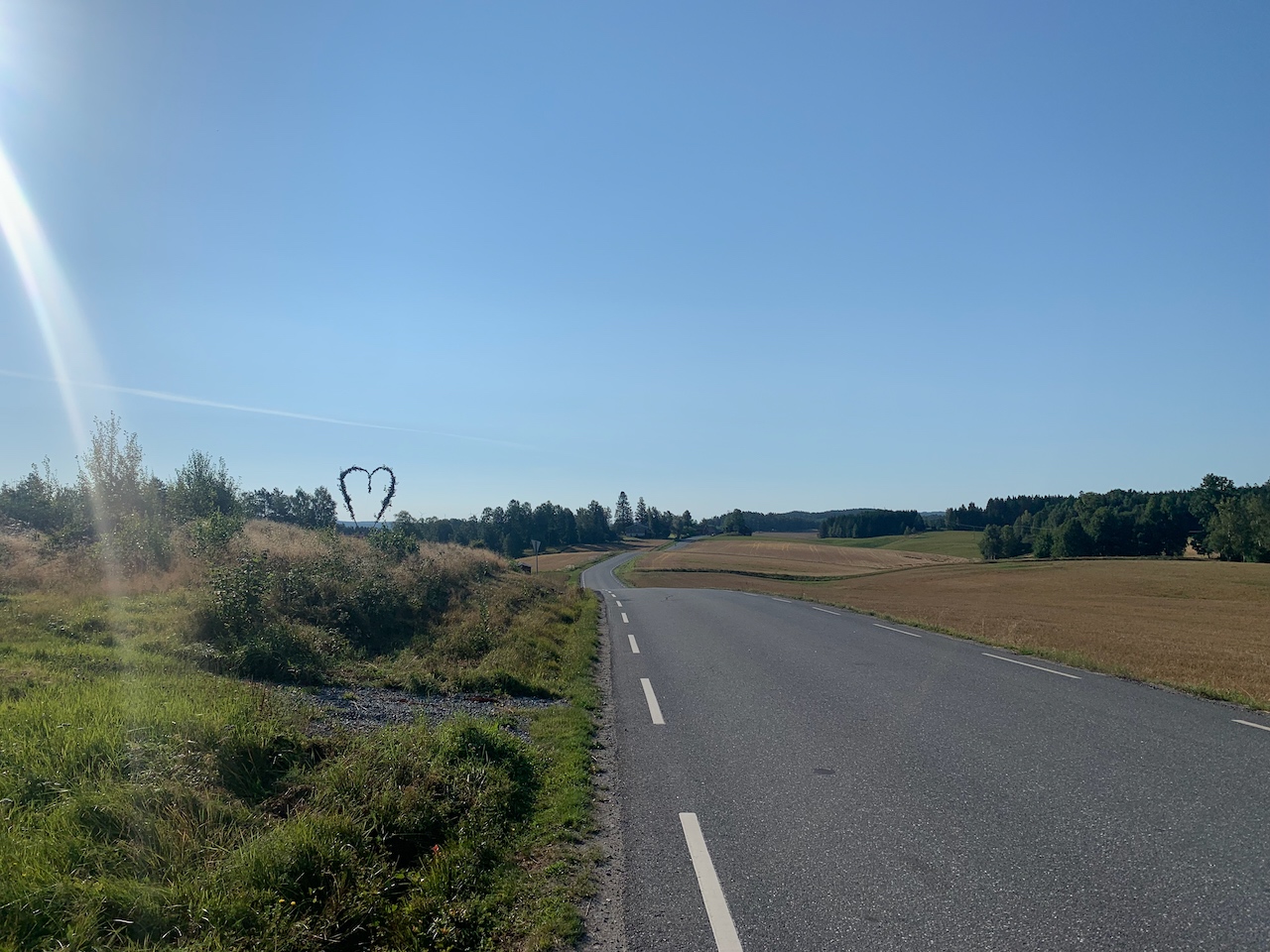
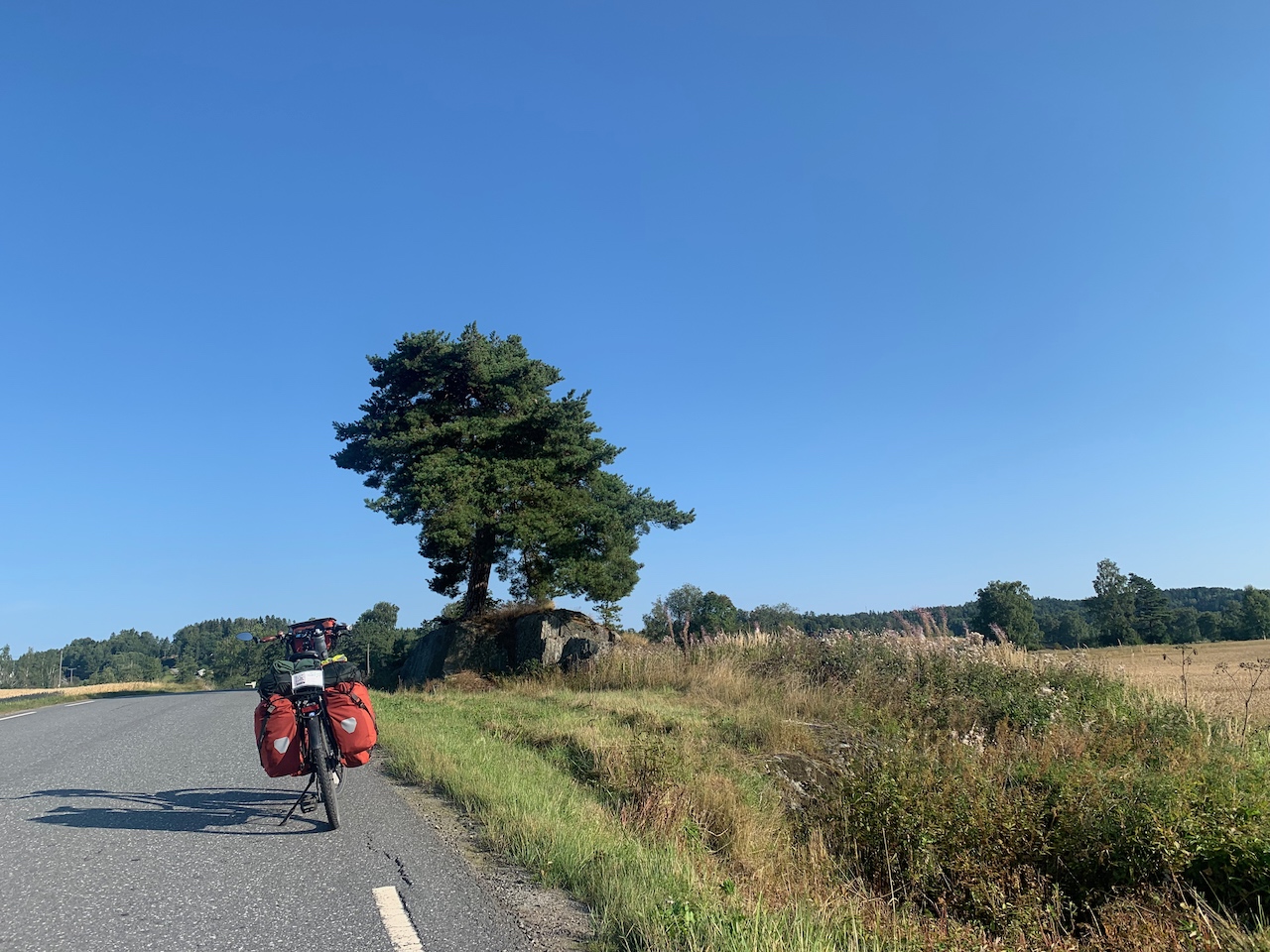
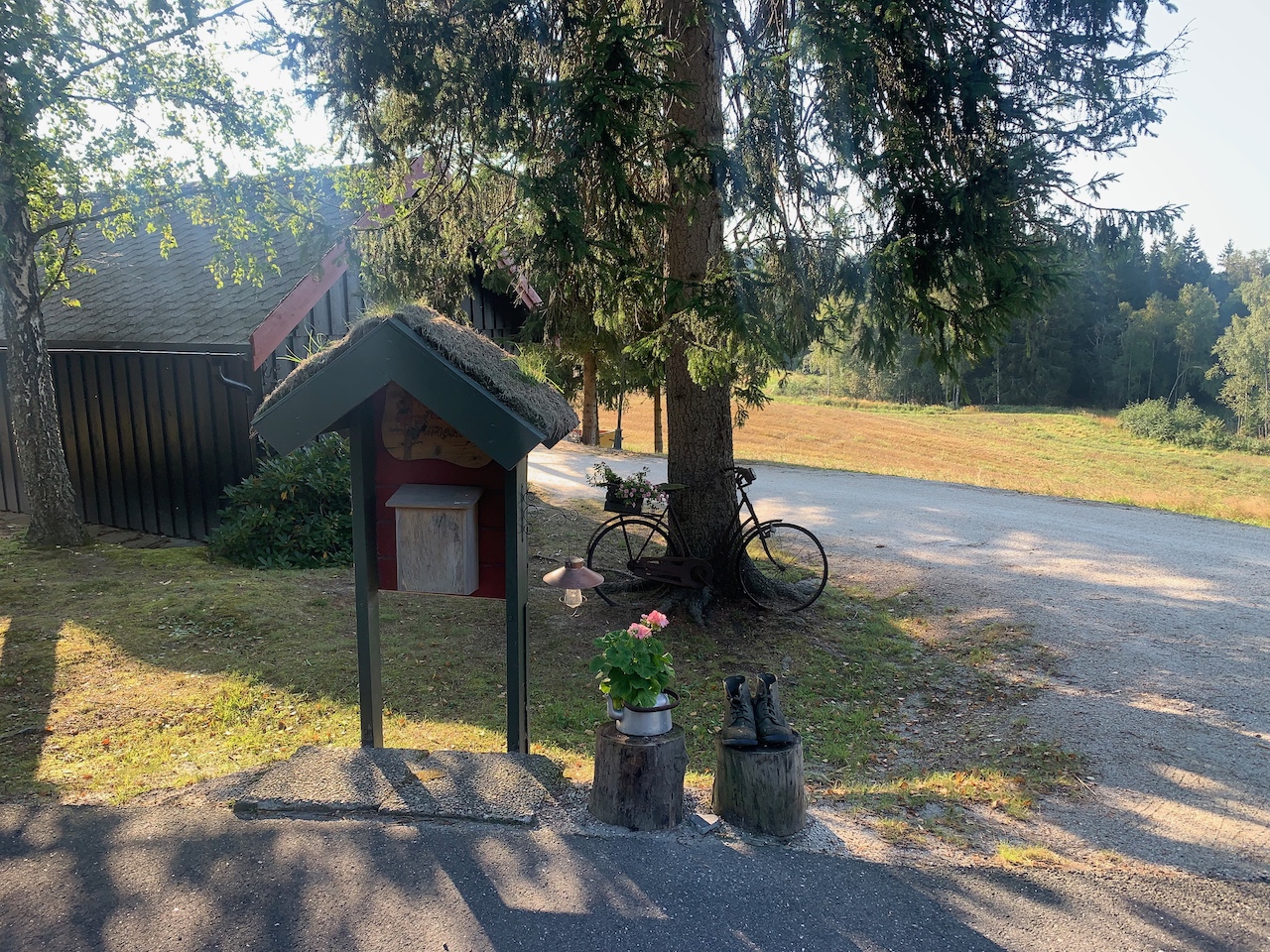


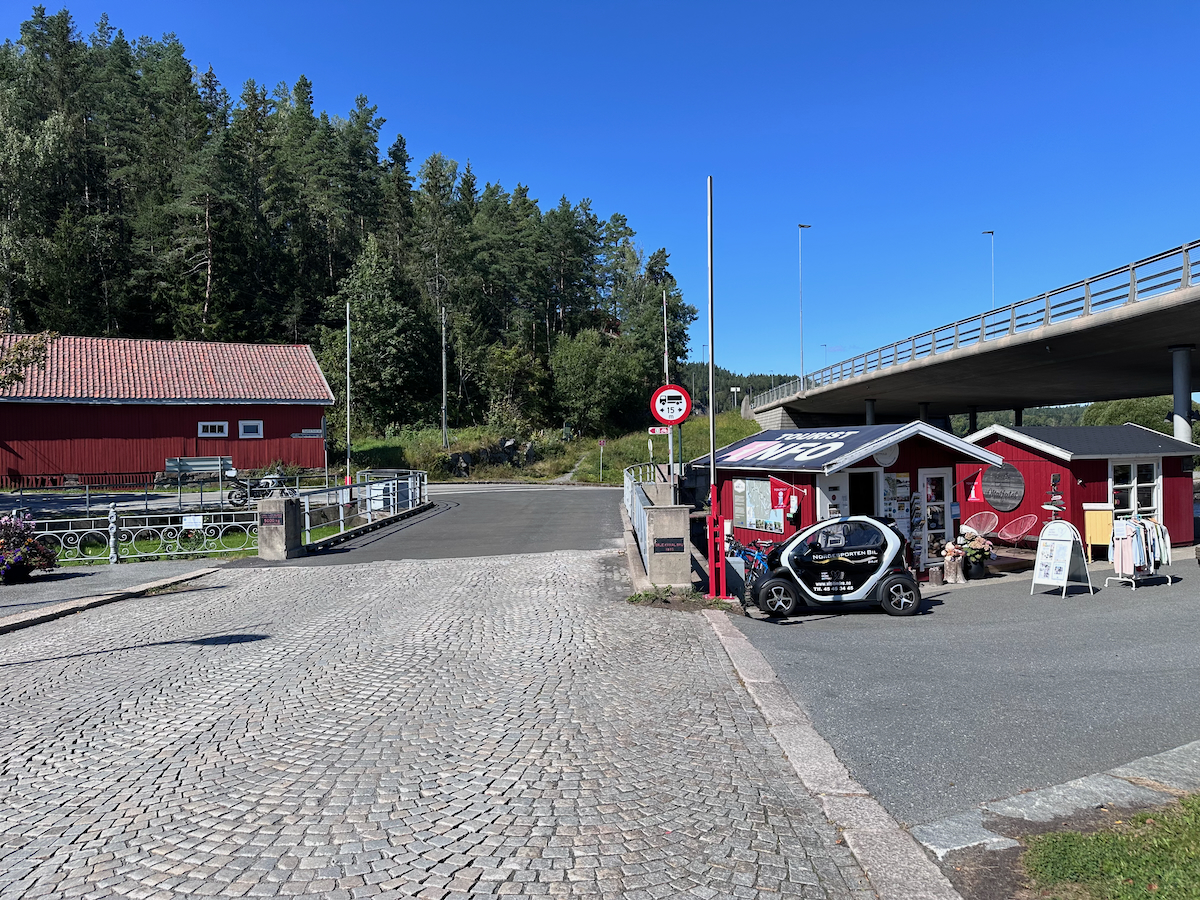
Halfway along the route lies the small picturesque town of Ørje.