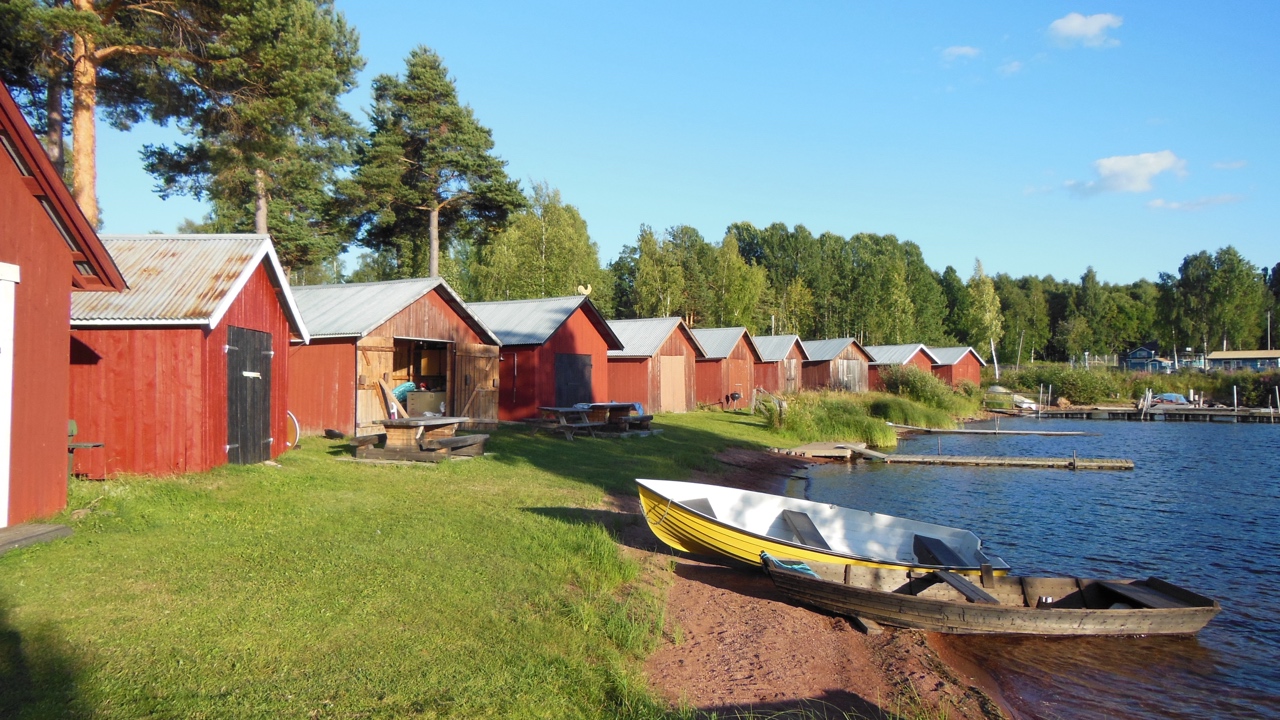
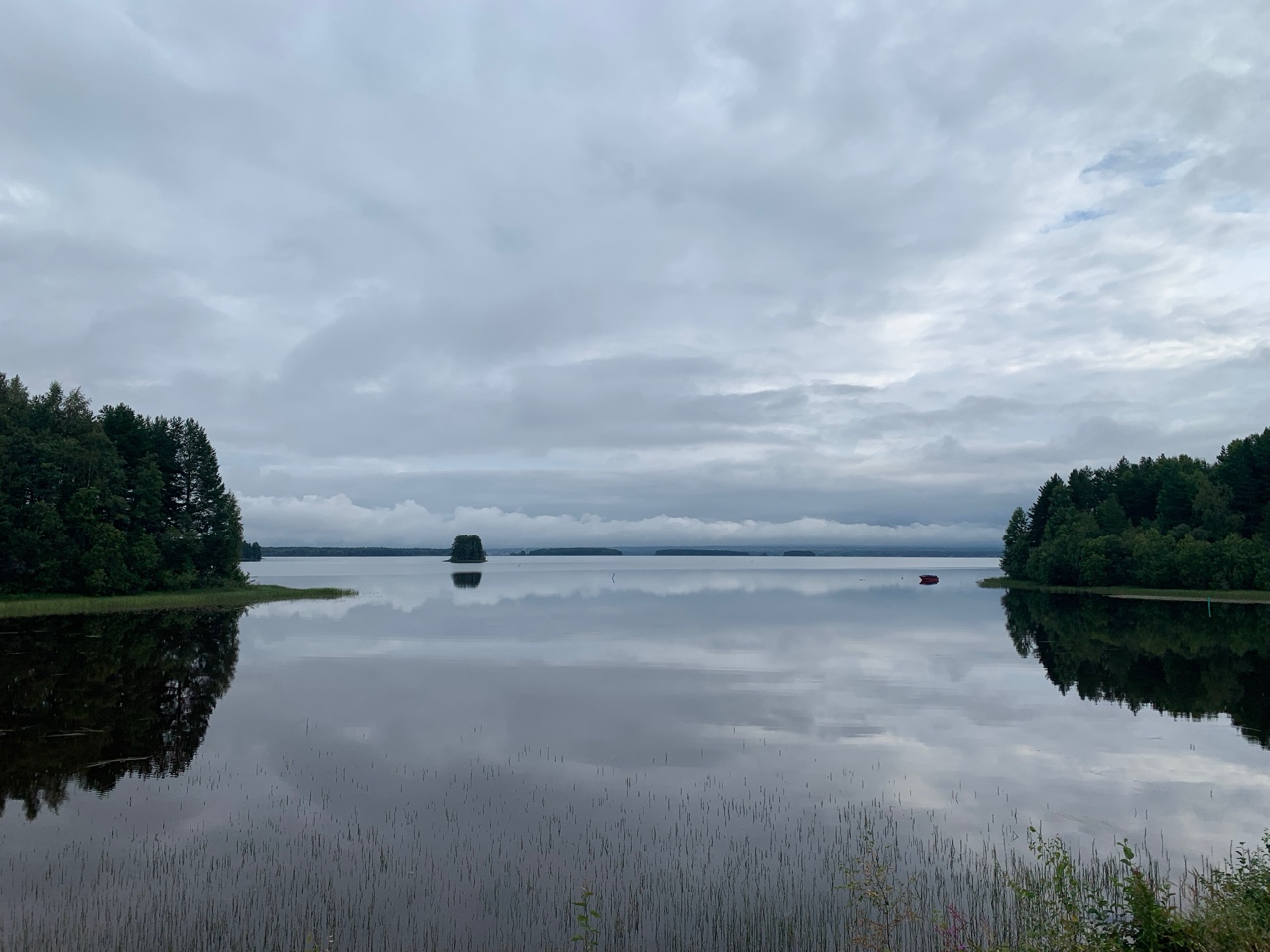
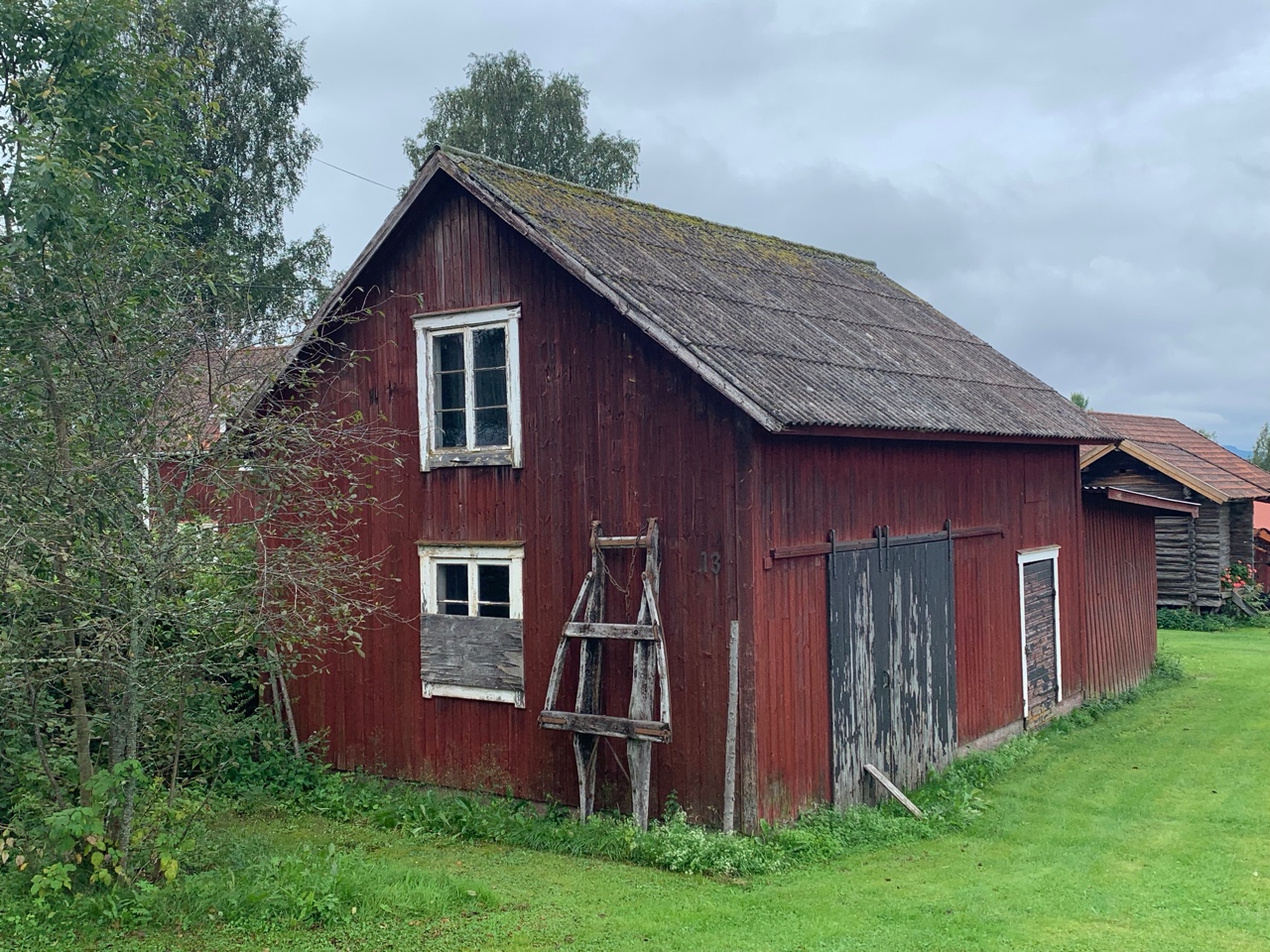
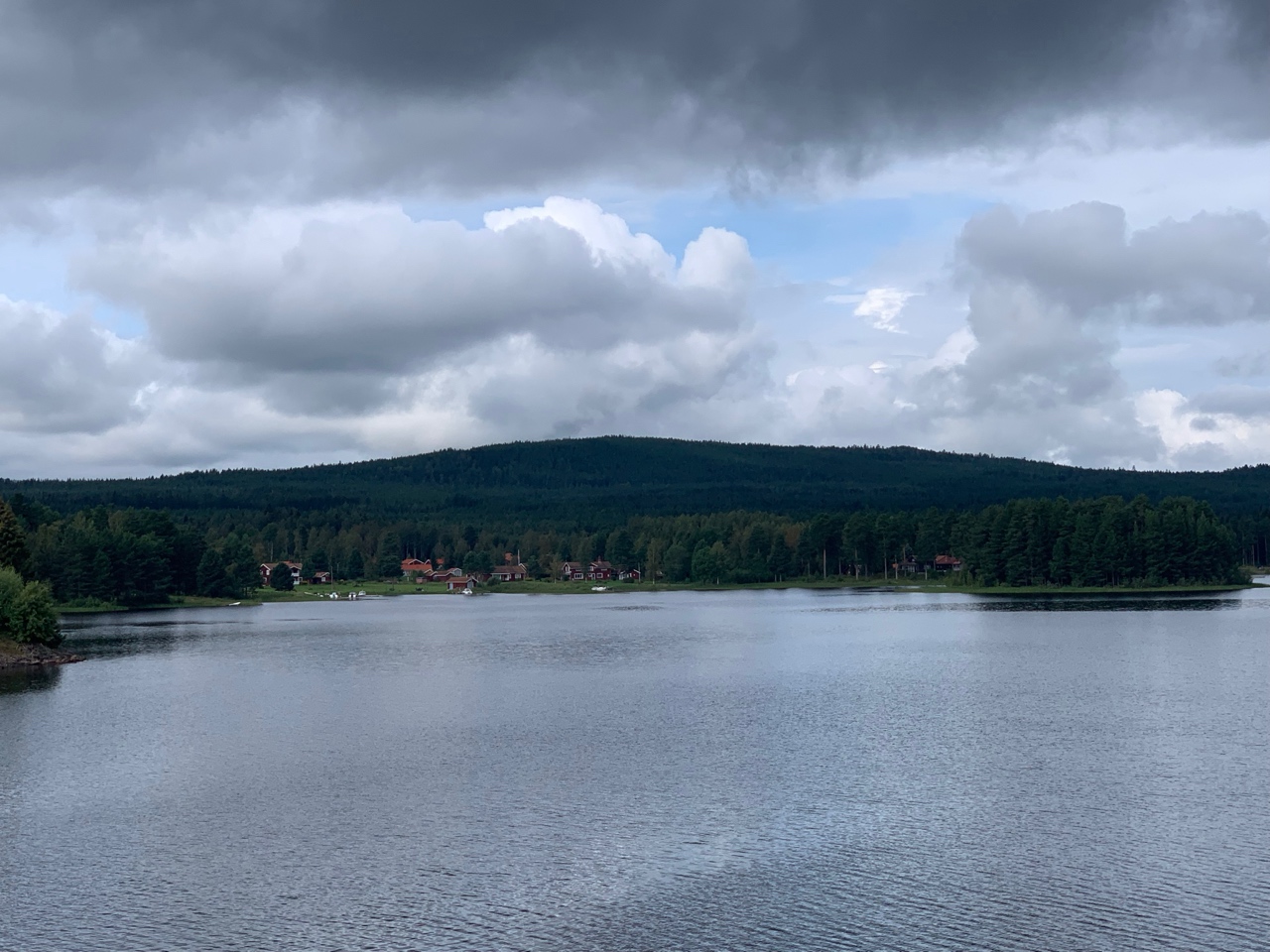
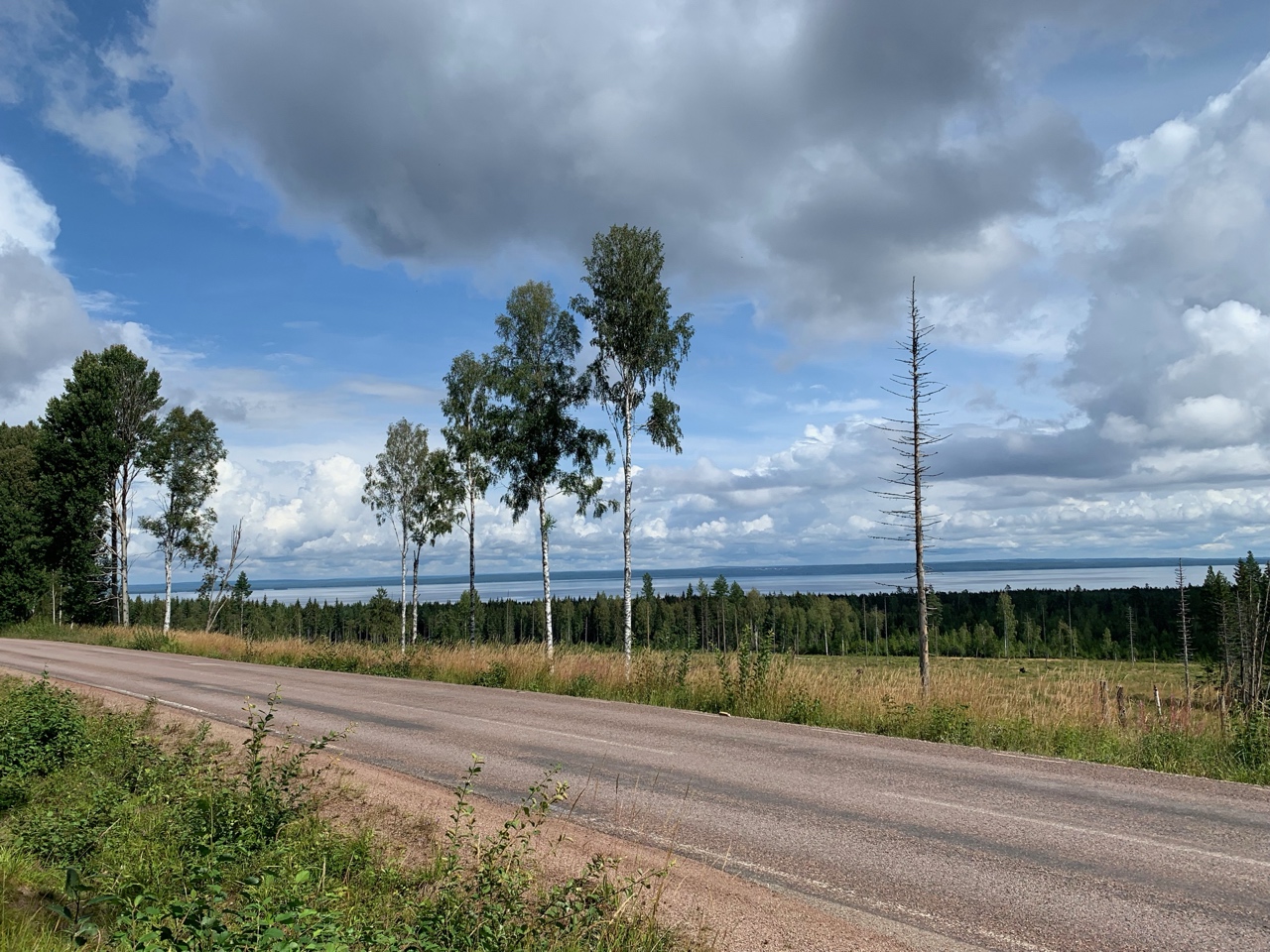
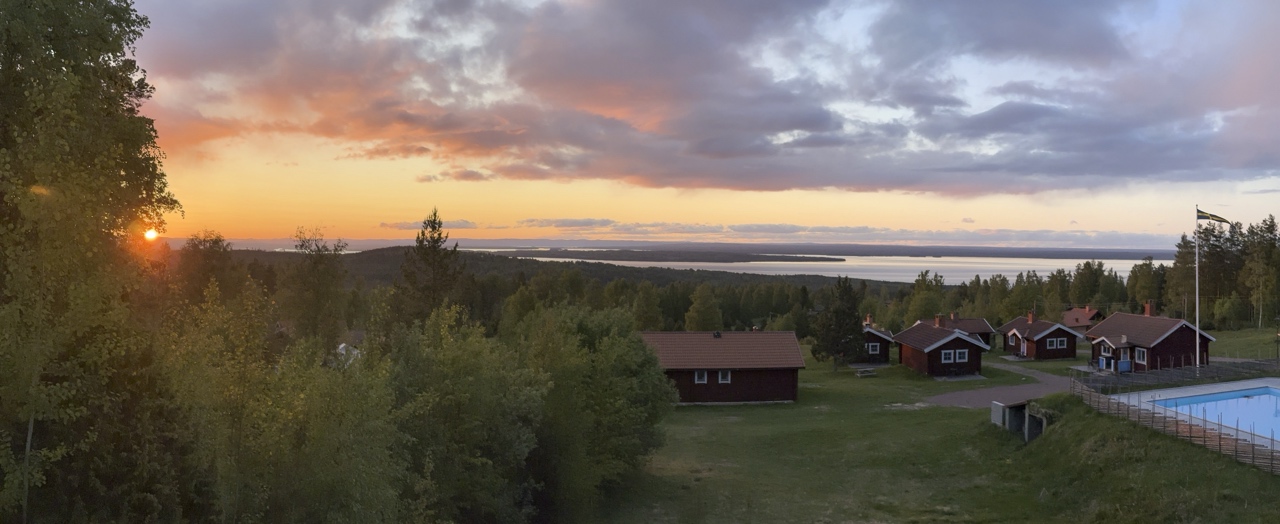
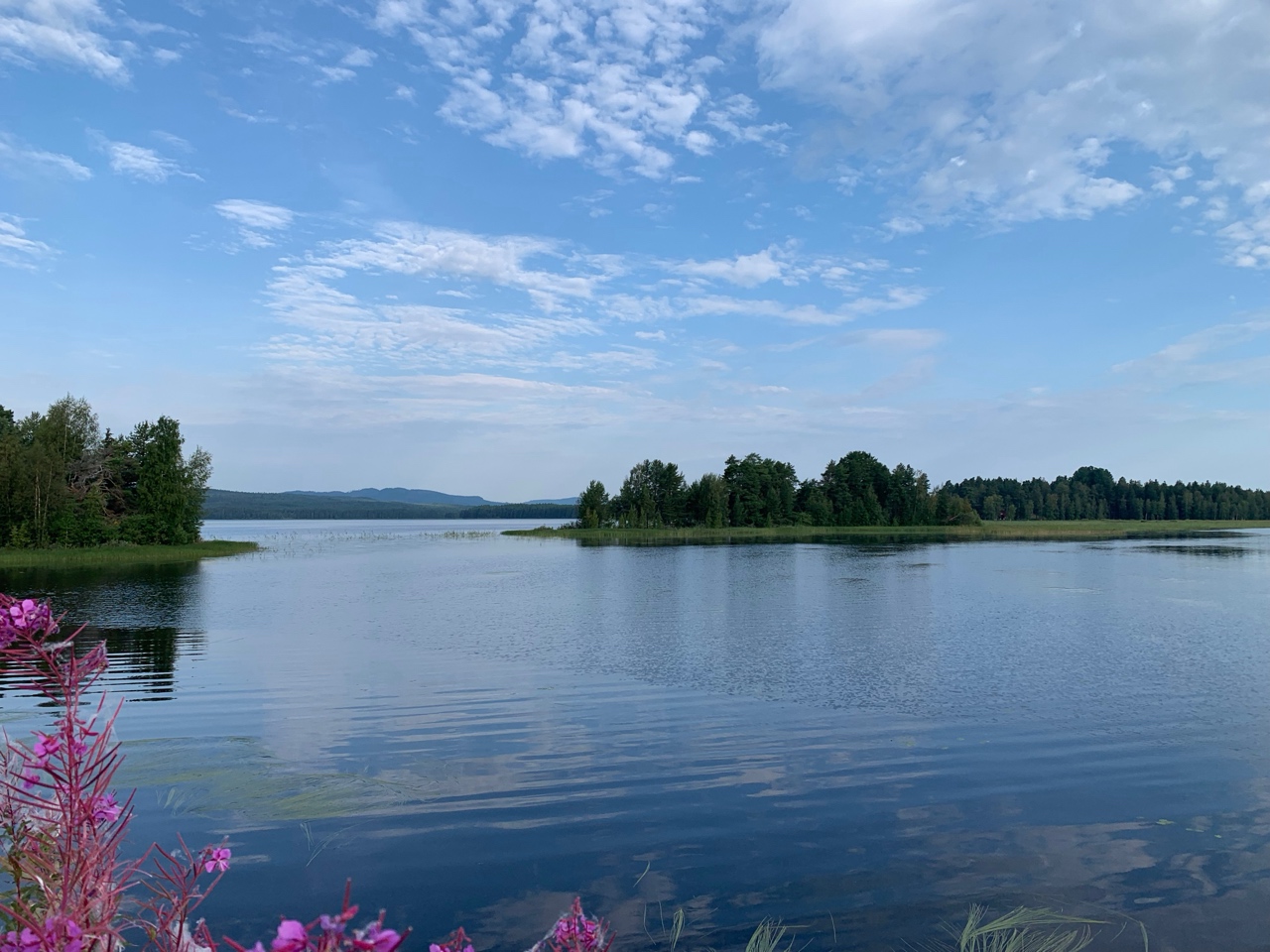
 Some 365 million years ago, a meteorite struck with tremendous force what is now central Sweden, forming the Siljan Ring — the largest impact crater in Europe. The edges of the crater trace a circle of low-lying areas where numerous lakes exist today. The largest of these is Lake Siljan.
Description
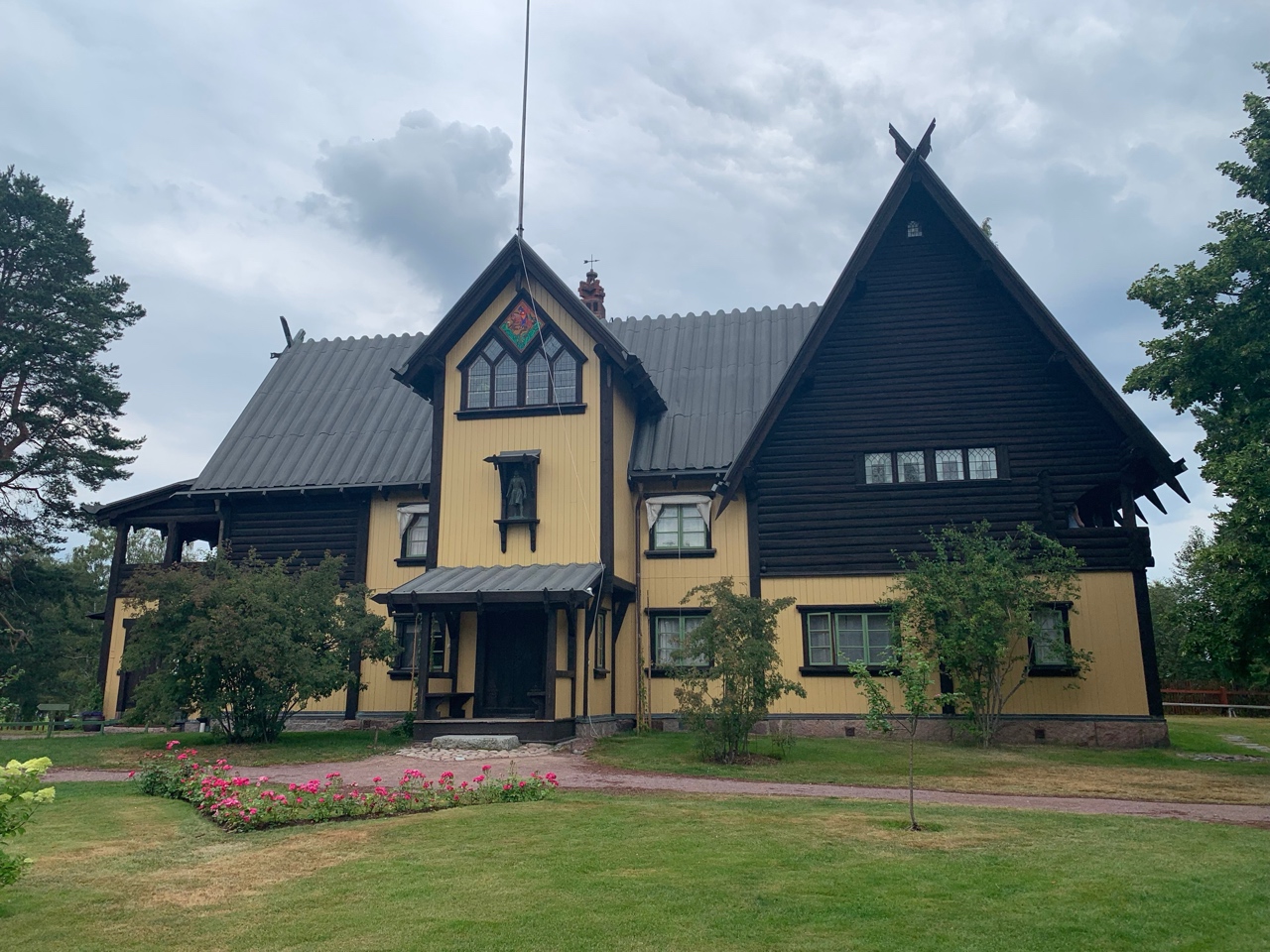
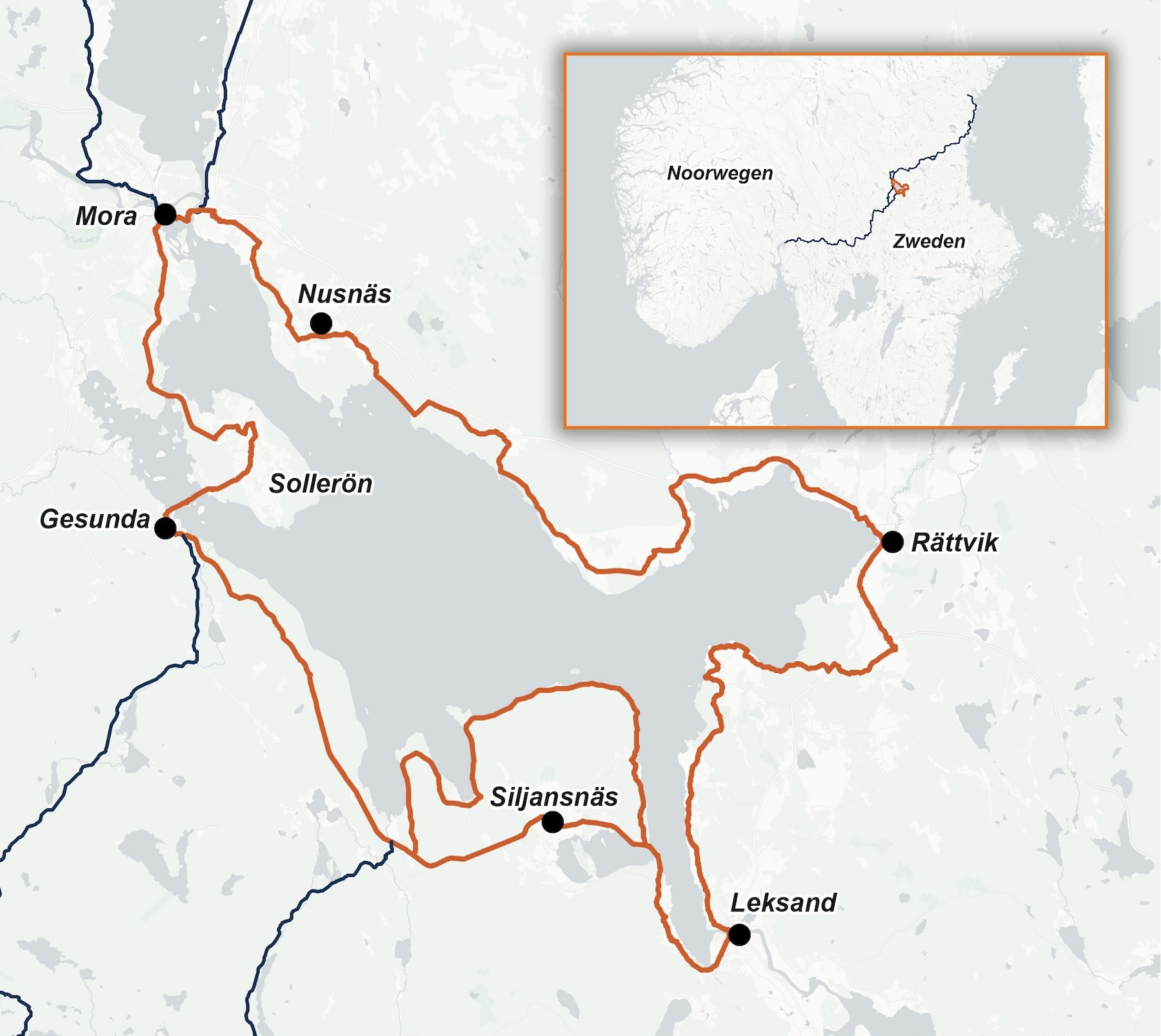
The route begins in Mora, home to the famous Zorn Museum and the Vasaloppet Museum, which tells the history of one of the world's largest cross-country skiing races. You cycle via Nusnäs and Vikarbyn to Rättvik, where you can admire the iconic Långbryggan pier that stretches 600 metres into Lake Siljan. You then cycle to Tällberg, known for its charming wooden buildings, and Leksand, a picturesque town with a beautiful beach. After Leksand you have a choice: the short route via Siljansnäs, affectionately called the "pearl" of Siljan, or the longer route along the coast (18 km longer) passing through the villages of Hjullbäck and Olsnäs. Via Gesunda and the idyllic 'island of the sun', Sollerön, you return to Mora.
The Route
- Distance: 138 kilometres, which can be extended to 156 kilometres by taking the alternative route along the coast via Hjullbäck and Olsnäs.
- Start/end: This description is based on starting and ending at Mora, at Morastrand, but you can start and end at any point along the route.
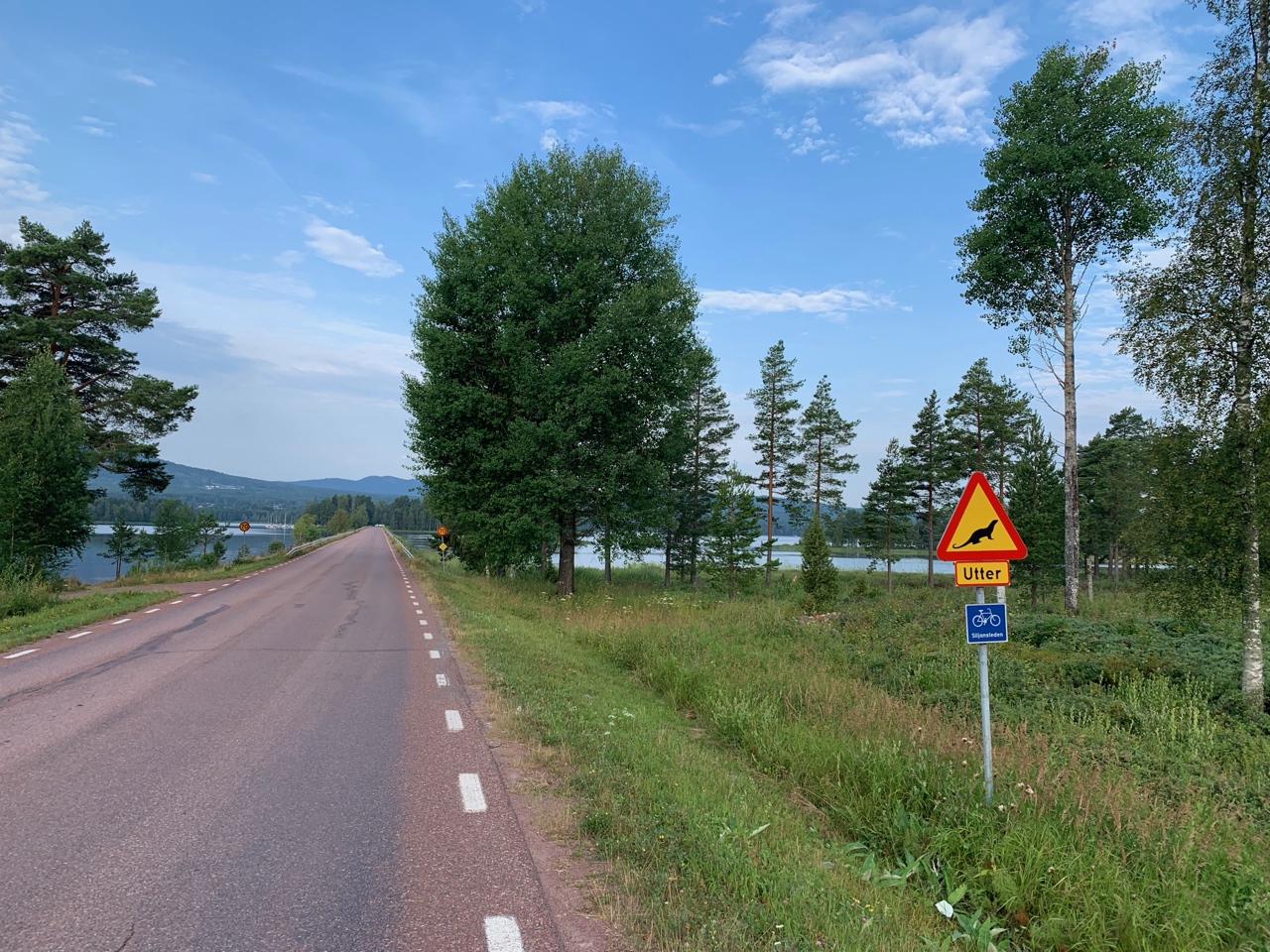
- The route is signposted with Siljansleden signs.
- You can download the GPX-tracks
 here (version 250225).
 - Road surface: asphalt and gravel.
- Difficulty: easy.
- Best season: mid-May to late September.
- Type of bicycle: all bicycles.
- Crowds: most of the route is on roads with little traffic.
Highlights
Mora
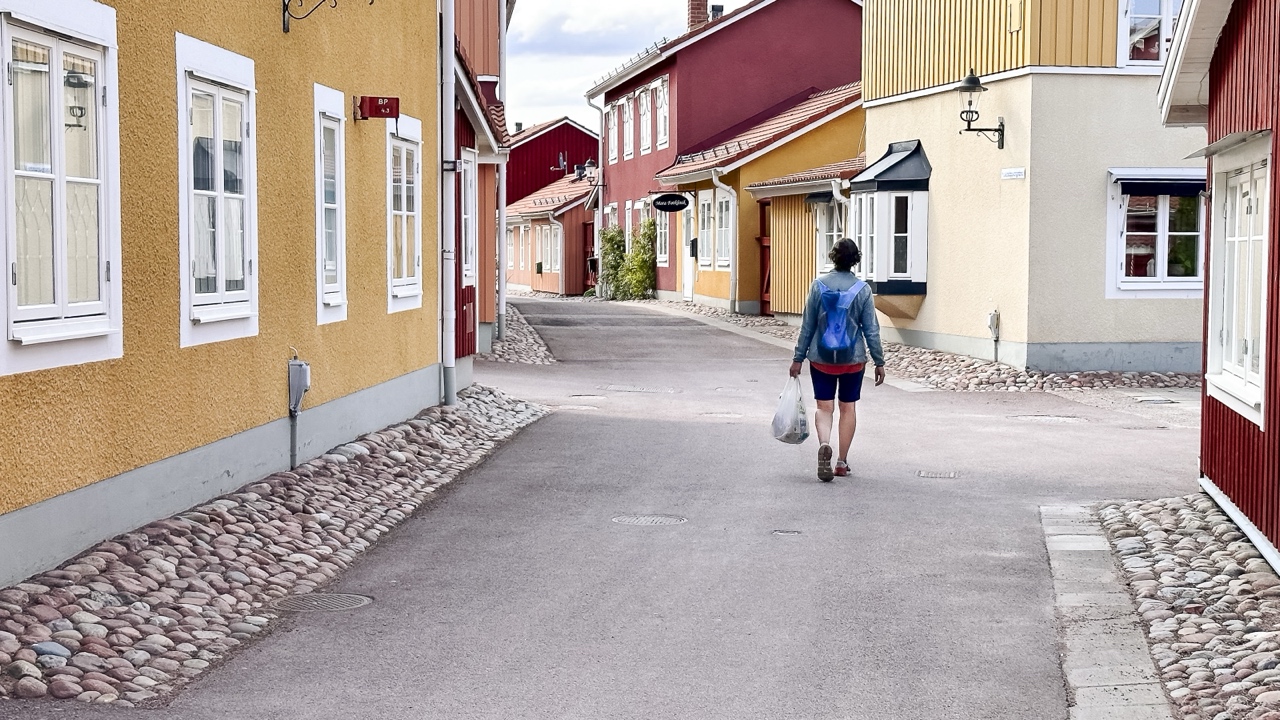
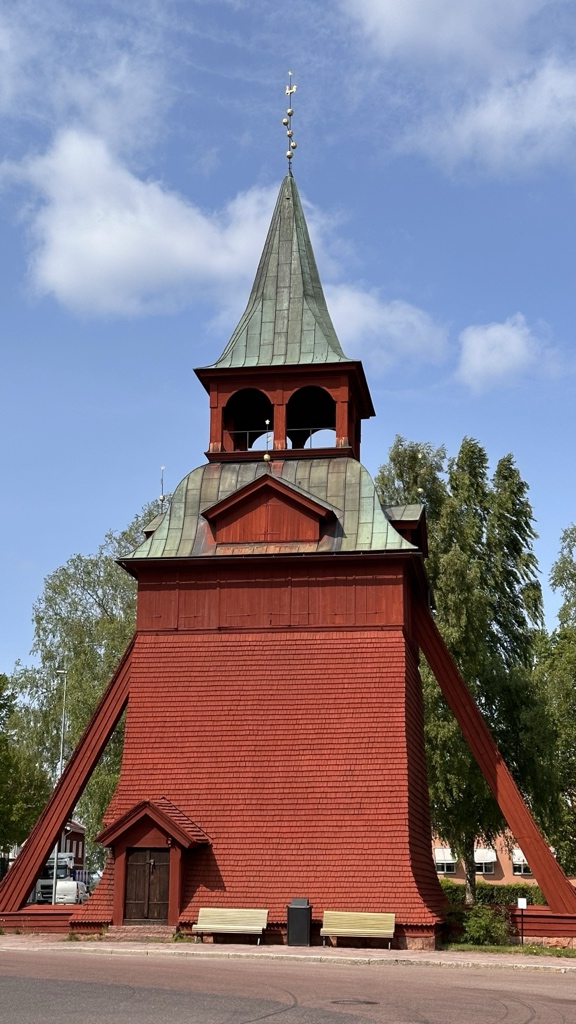
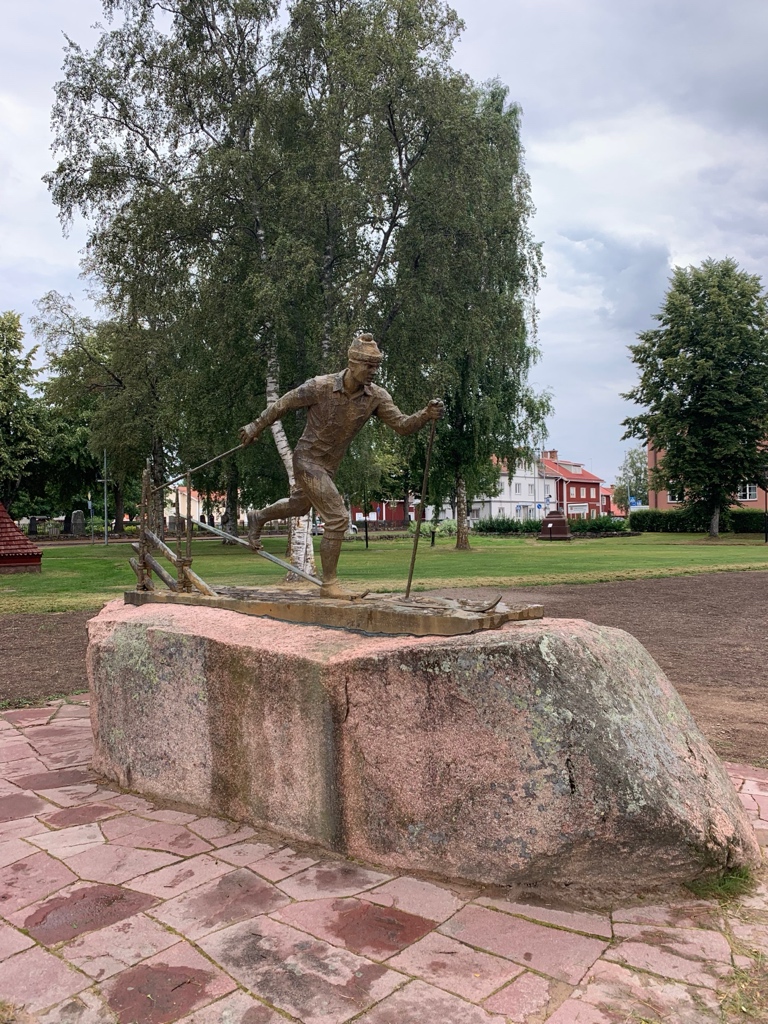
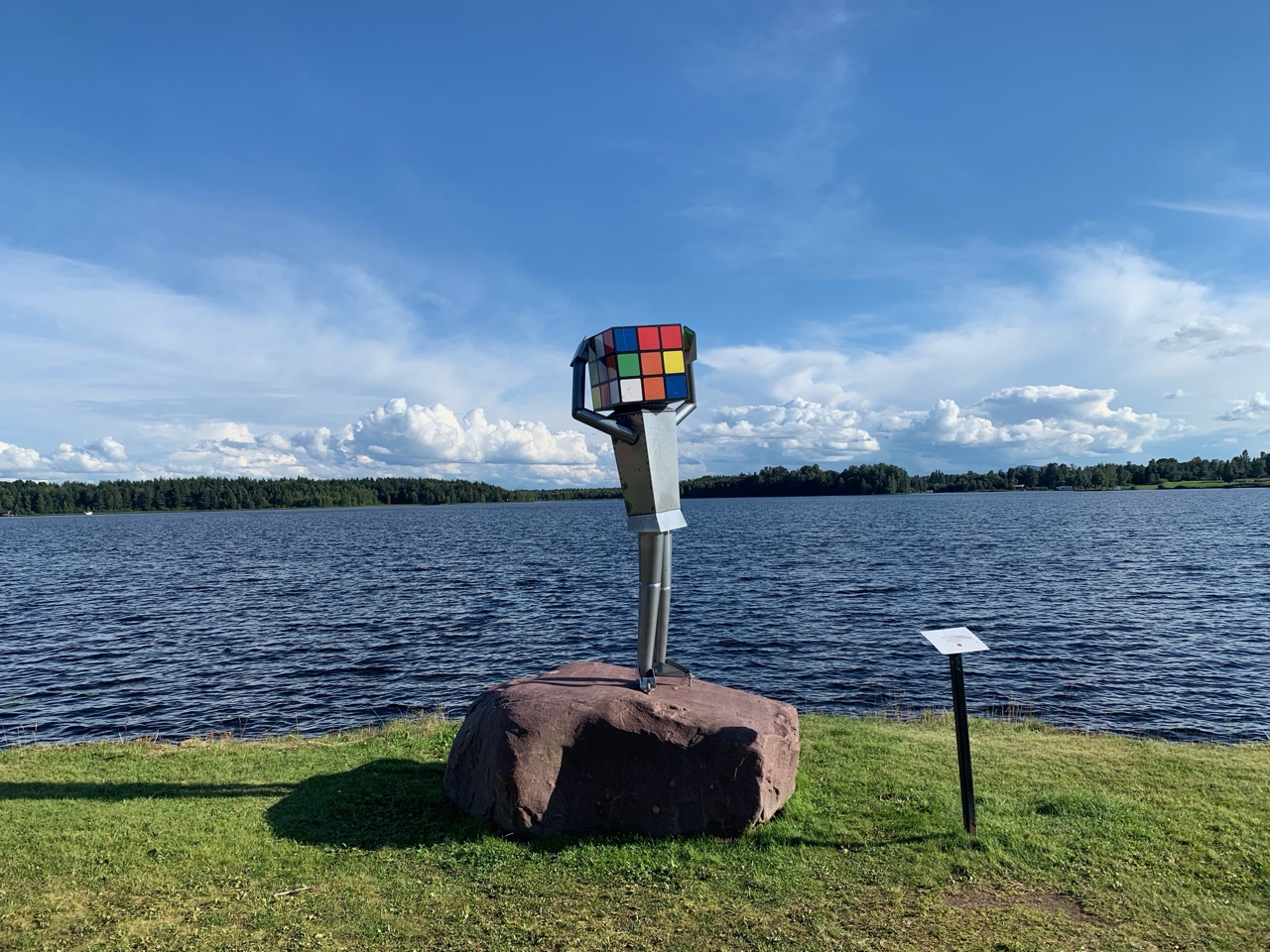
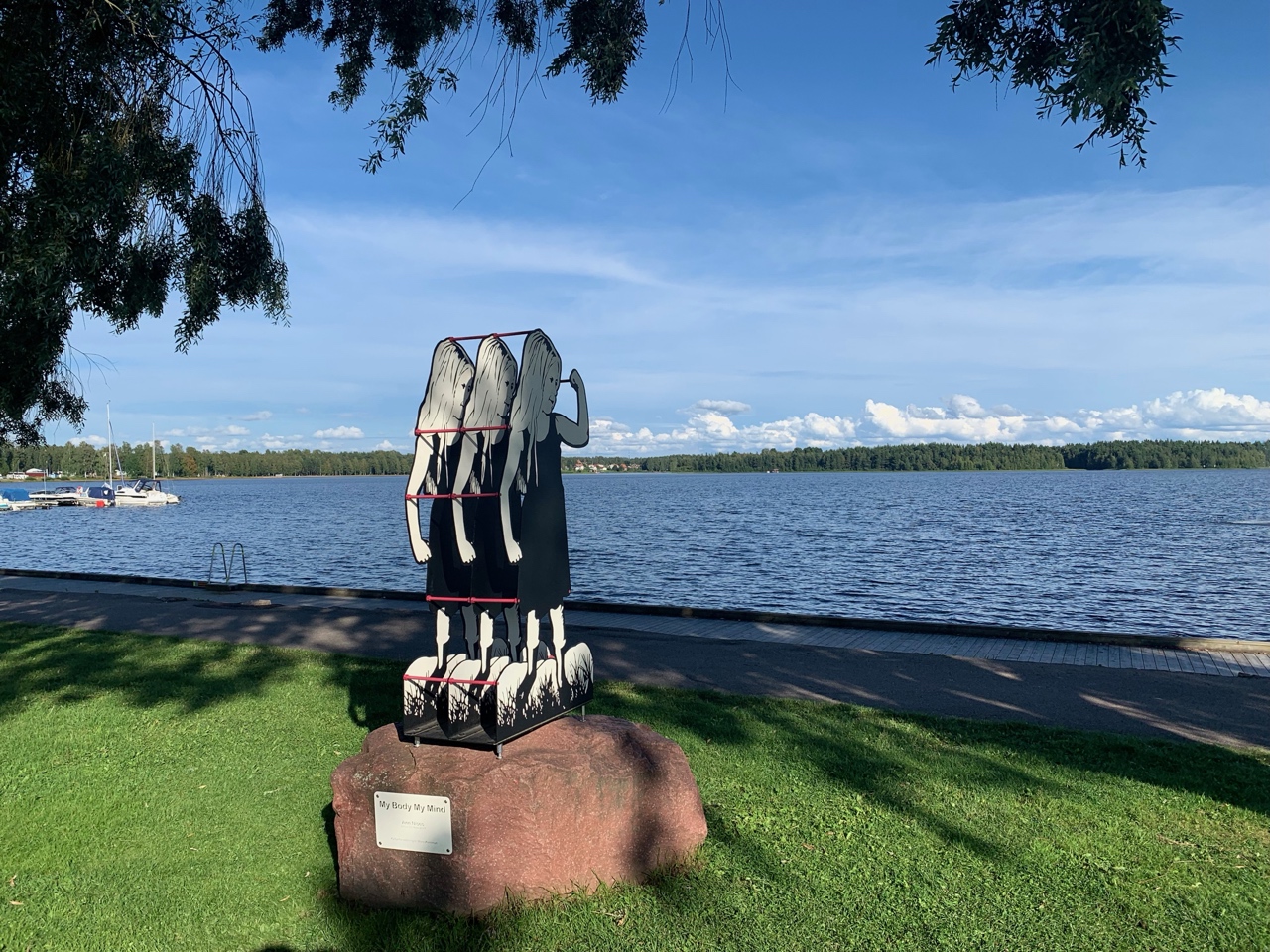
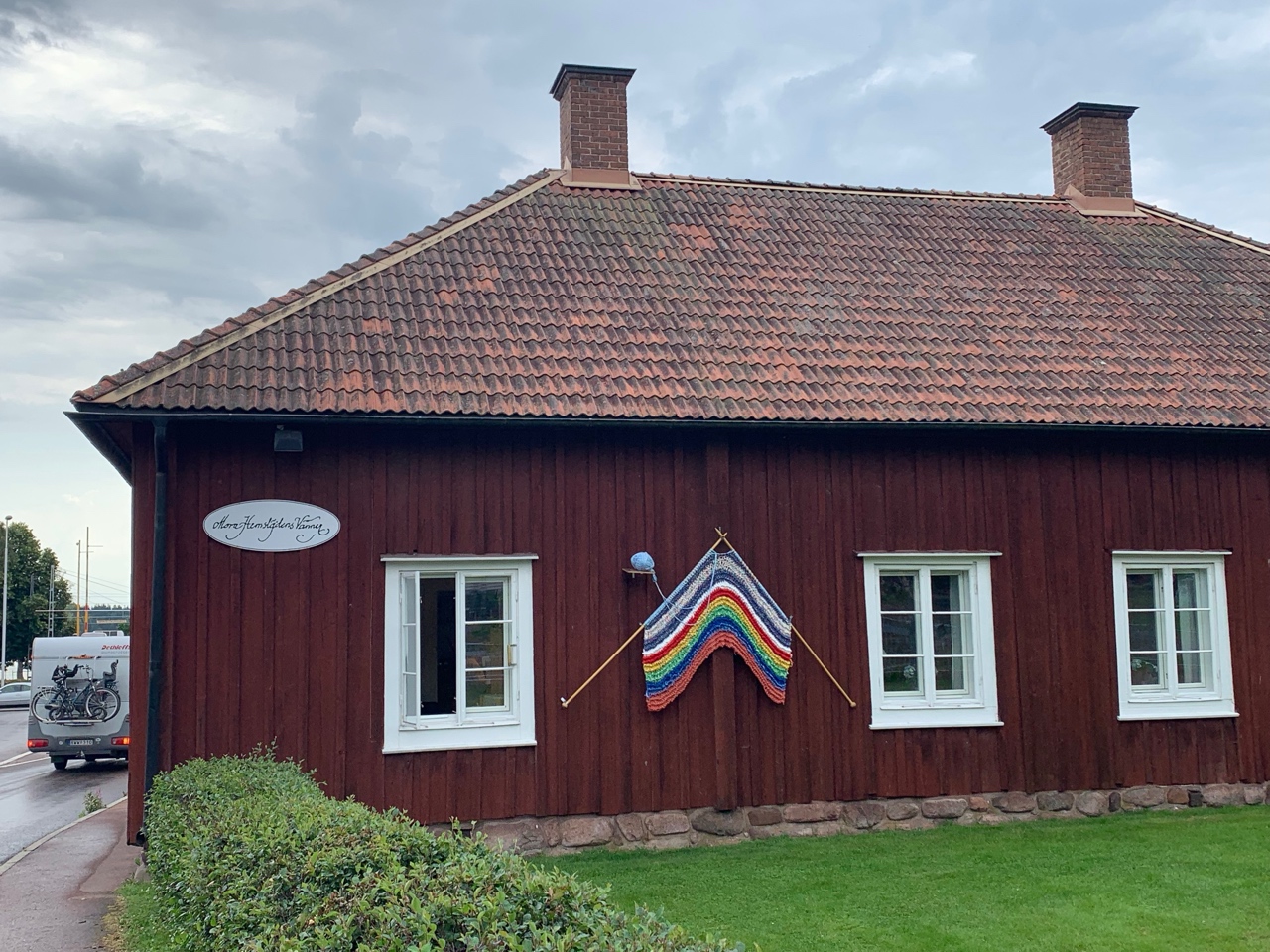
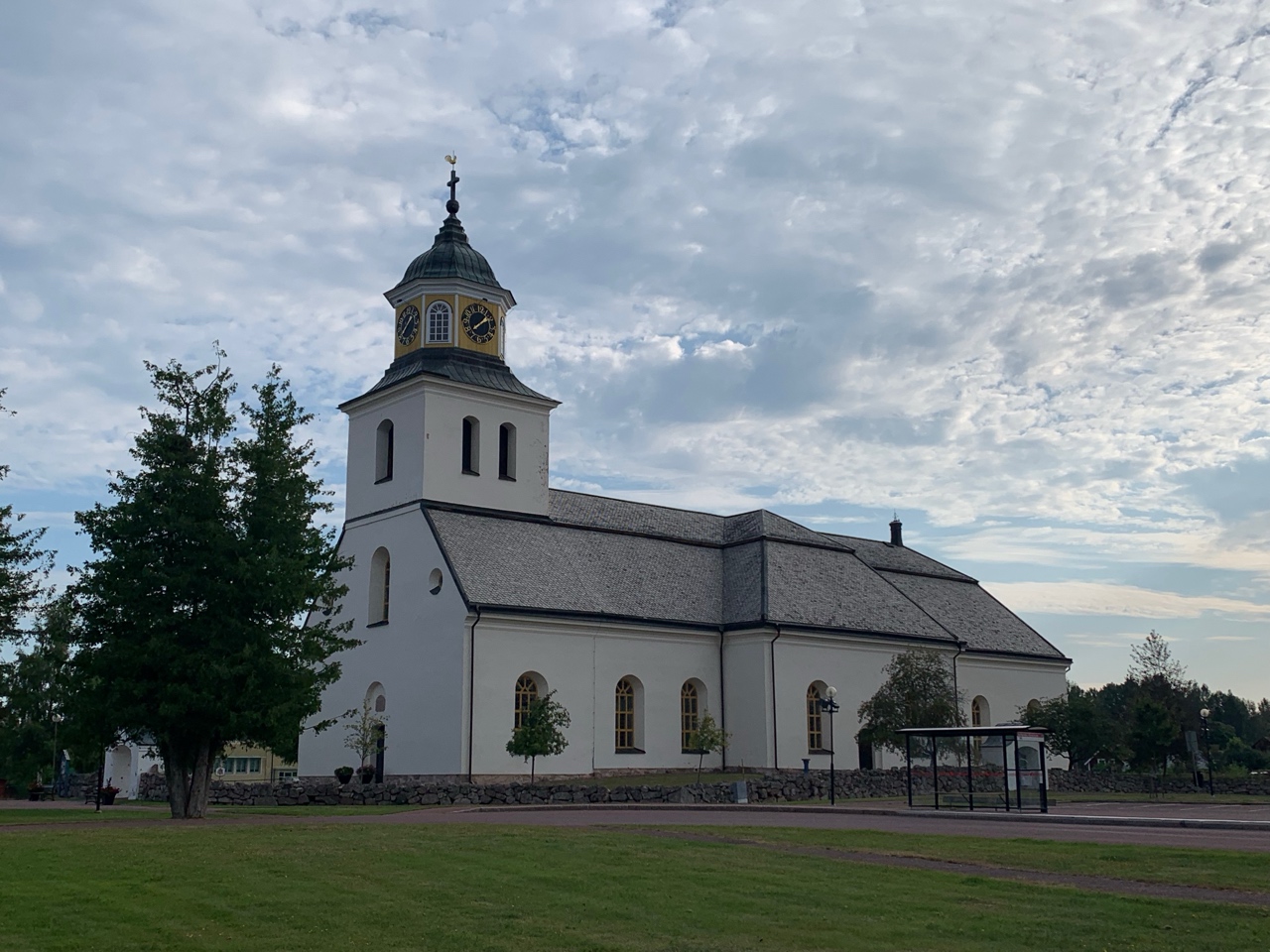
Mora originated around the thirteenth century and is a charming town situated on Lake Orsa, Lake Siljan and the Österdalälven river. It is best known for the annual cross-country skiing race Vasaloppet and for the artist Anders Zorn. The Zorn Museum was founded by Zorn's wife. The museum displays many of his works, including sketches, watercolour and oil paintings. Close to the finish line of the Vasaloppet stands the church of Mora. This thirteenth-century church has an imposing, freestanding wooden bell tower. The town has a turbulent history, including the largest witch trial in Europe in the seventeenth century, in which dozens of alleged witches and children were sentenced to death. The cycling route follows the promenade along Lake Siljan. Here you will find a large specimen of the Dalarna horse.
Nusnås
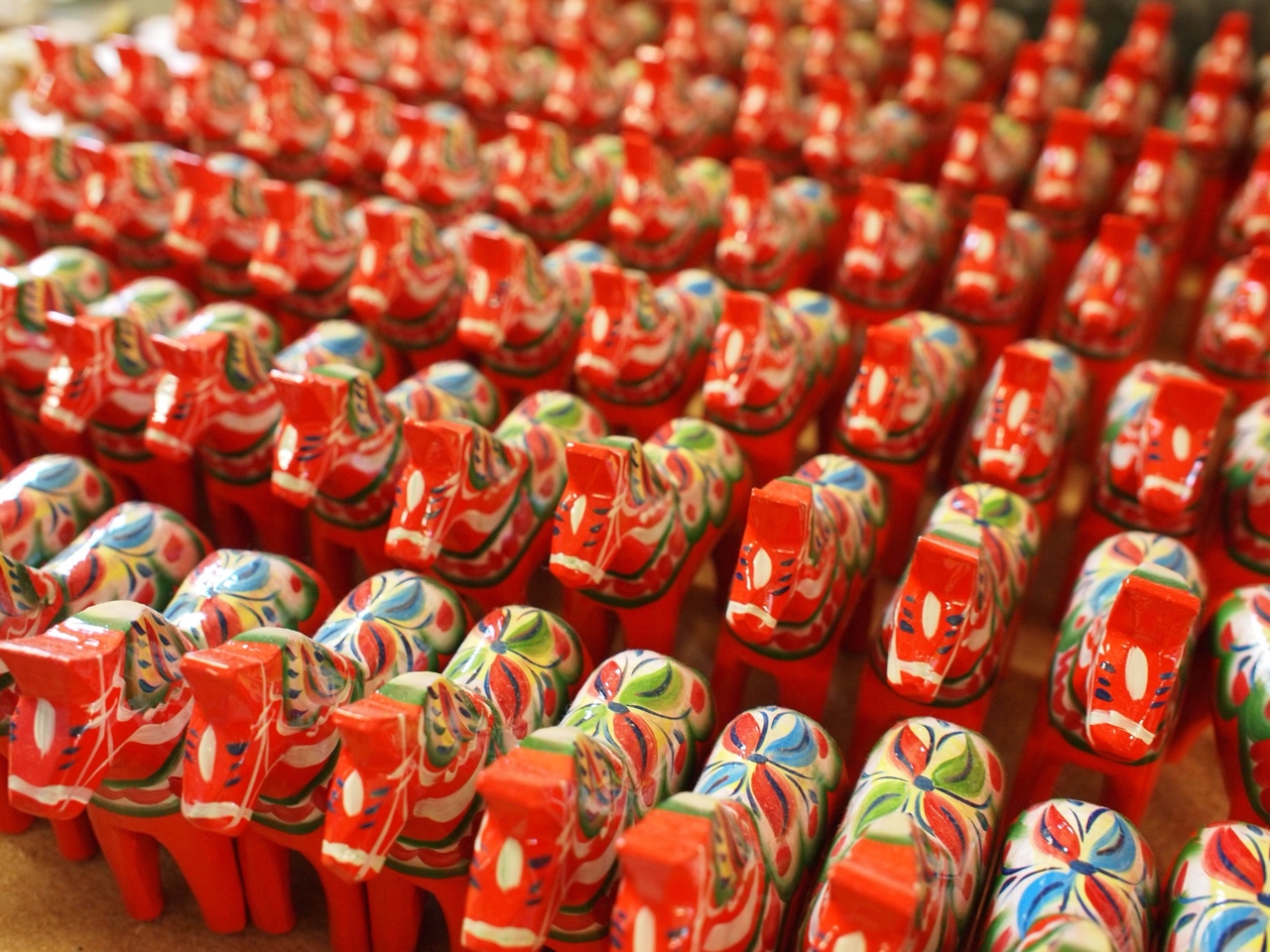
The famous symbol of Sweden, the Dala horse (in Swedish: dalahest), is made here. Two hundred thousand are produced here annually and sold all over the world. A visit to the factory is free. In summer there is a lunch café.
Rättvik
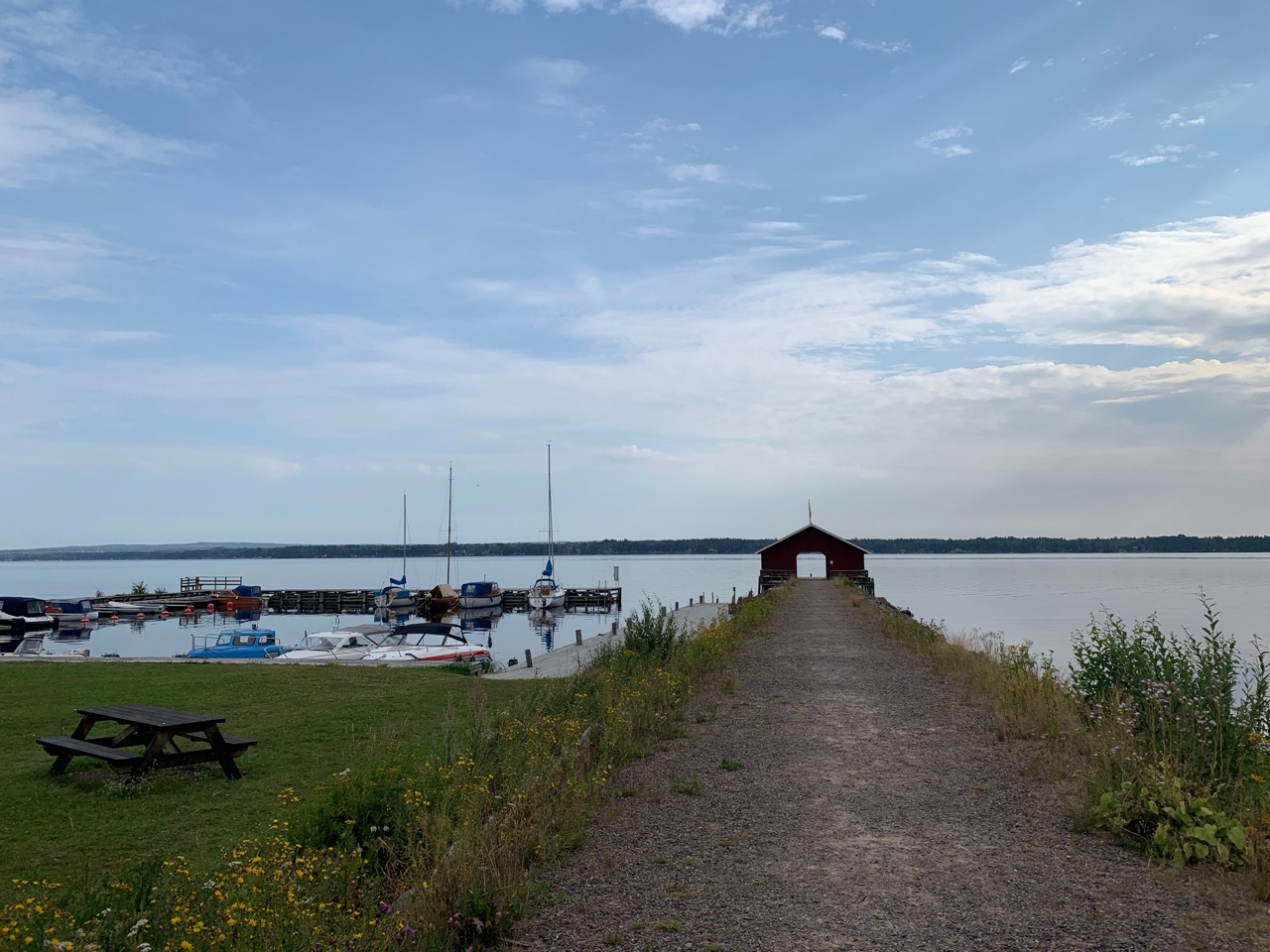
In summer, the traditional church boat procession is re-enacted here. The passengers, dressed in traditional costume, walk through the village from the jetty to the church. The jetty itself is also well worth a visit. This Långbryggan is 628 metres long, making it one of the longest jetties in the world located in a lake.
Tällberg
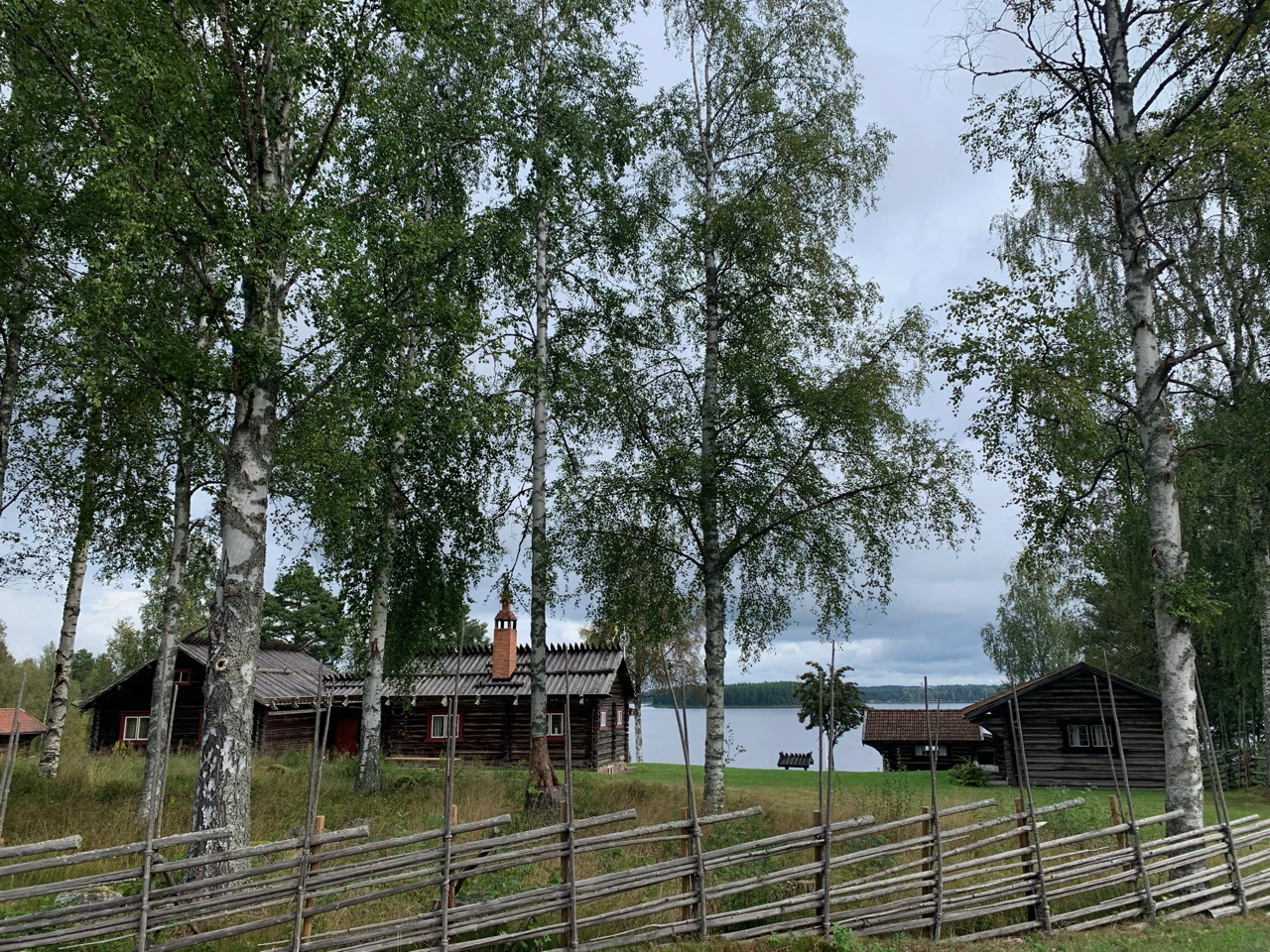
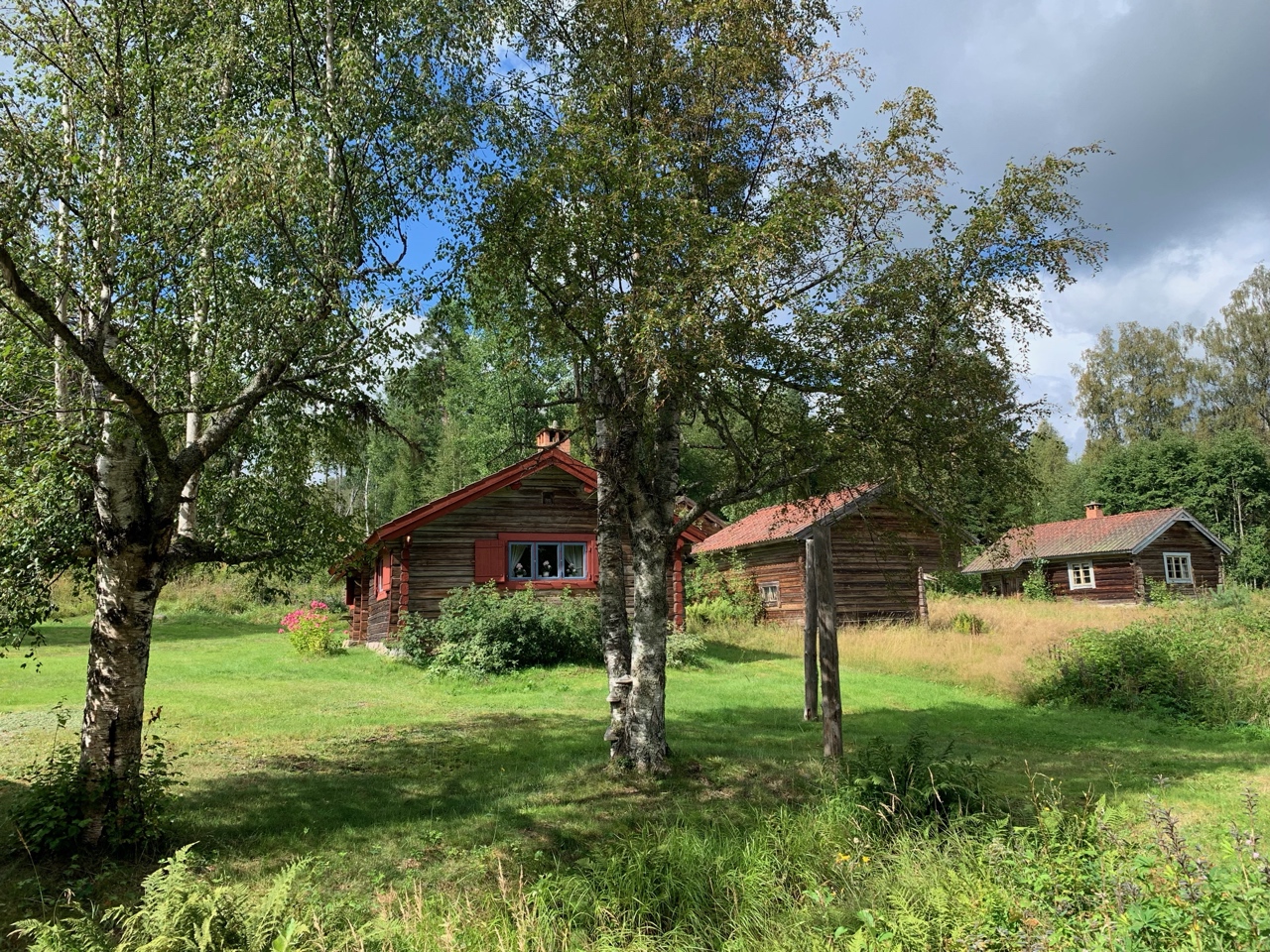
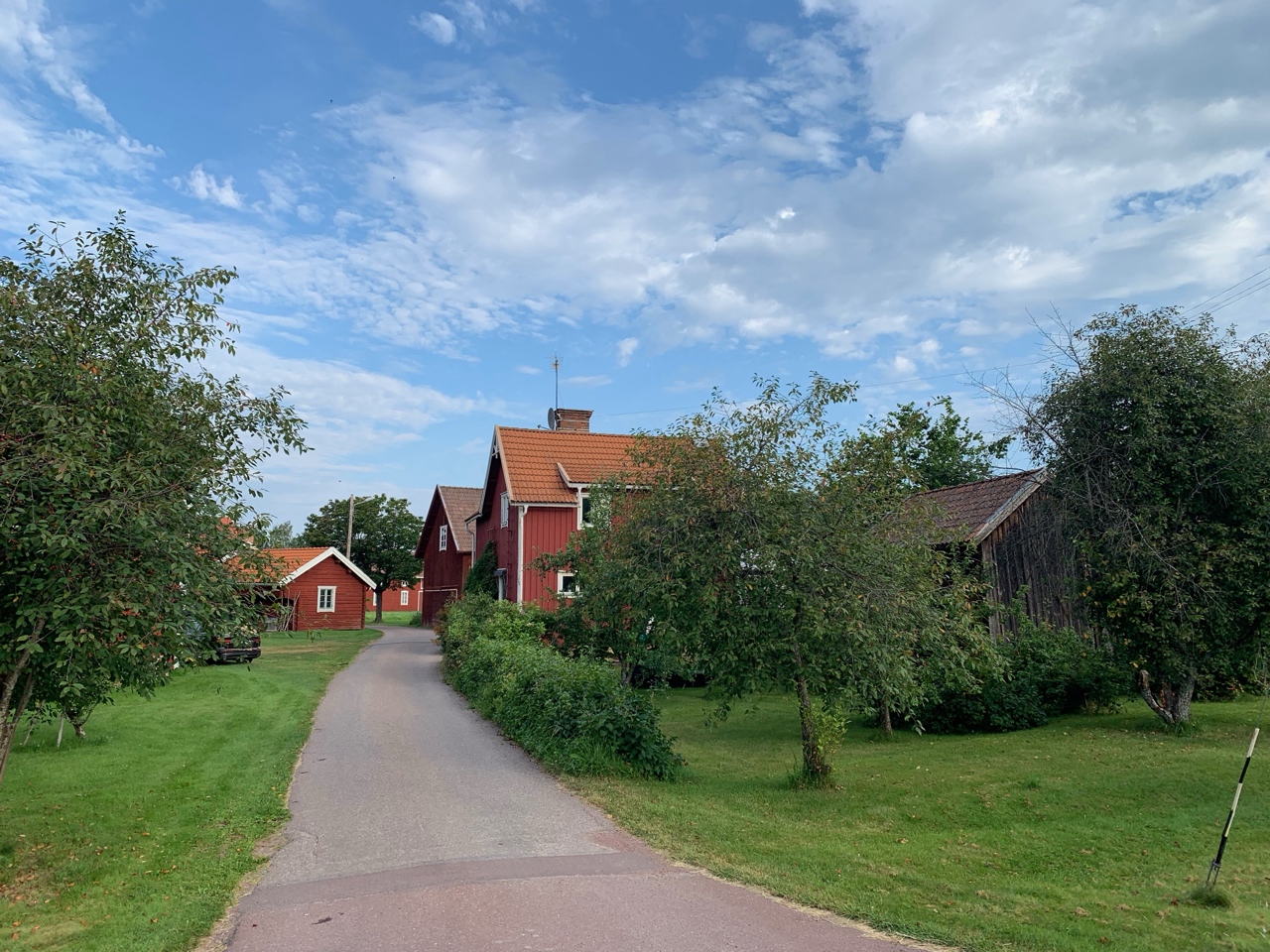
Tällberg is a small village situated between Leksand and Rättvik with a spectacular view over Lake Siljan. All the houses in the village are made of wood.
Leksand
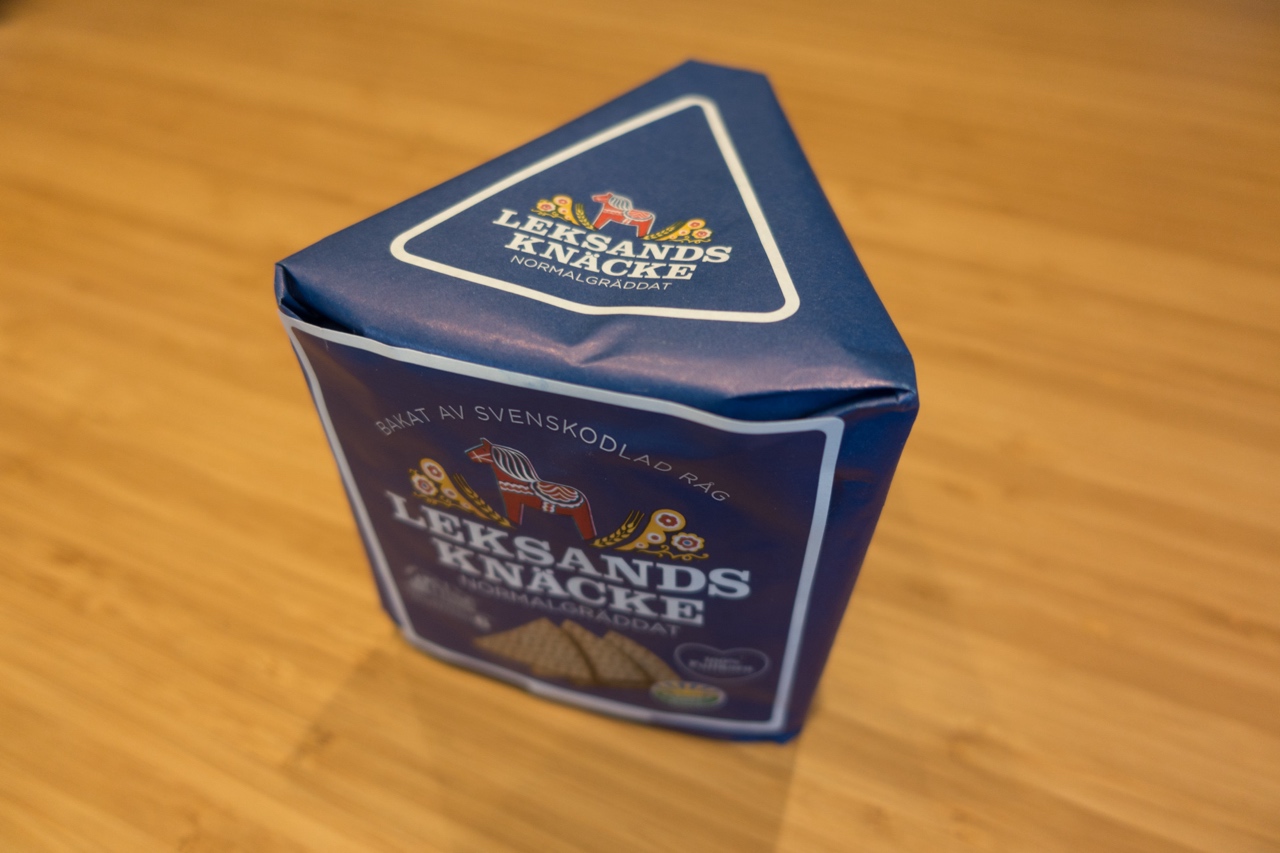
Leksand is known for Leksands Knäcke, a type of round crispbread. In the town you can visit the factory shop with a café/knäckeria (https://www.leksands.com/factory-shop/). The word knäckebröd comes from Swedish and means crisp bread.
Gesunda
To the west of the small village of Gesunda lies the Gesundaberget. A climb is well worth the effort — including by bike (which can be taken on the chairlift). At the summit there is a café and a restaurant, and you have a stunning view over Lake Siljan. By bike you can enjoy a wonderful descent via an easy-to-cycle mountain bike trail. If you are cycling with children, Tomteland at the foot of the mountain may be worth a visit — as this is where Father Christmas lives...
Sollerön
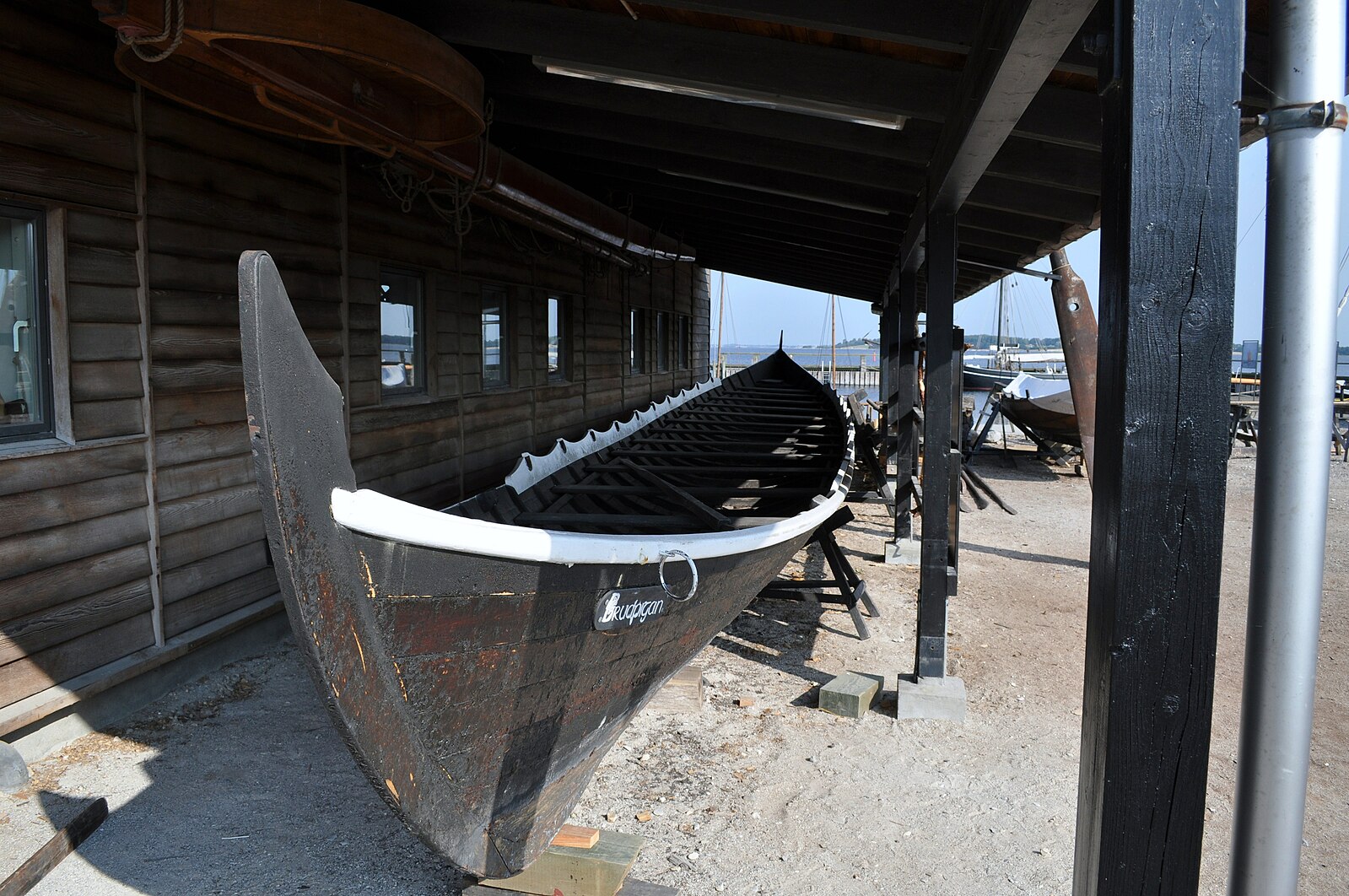
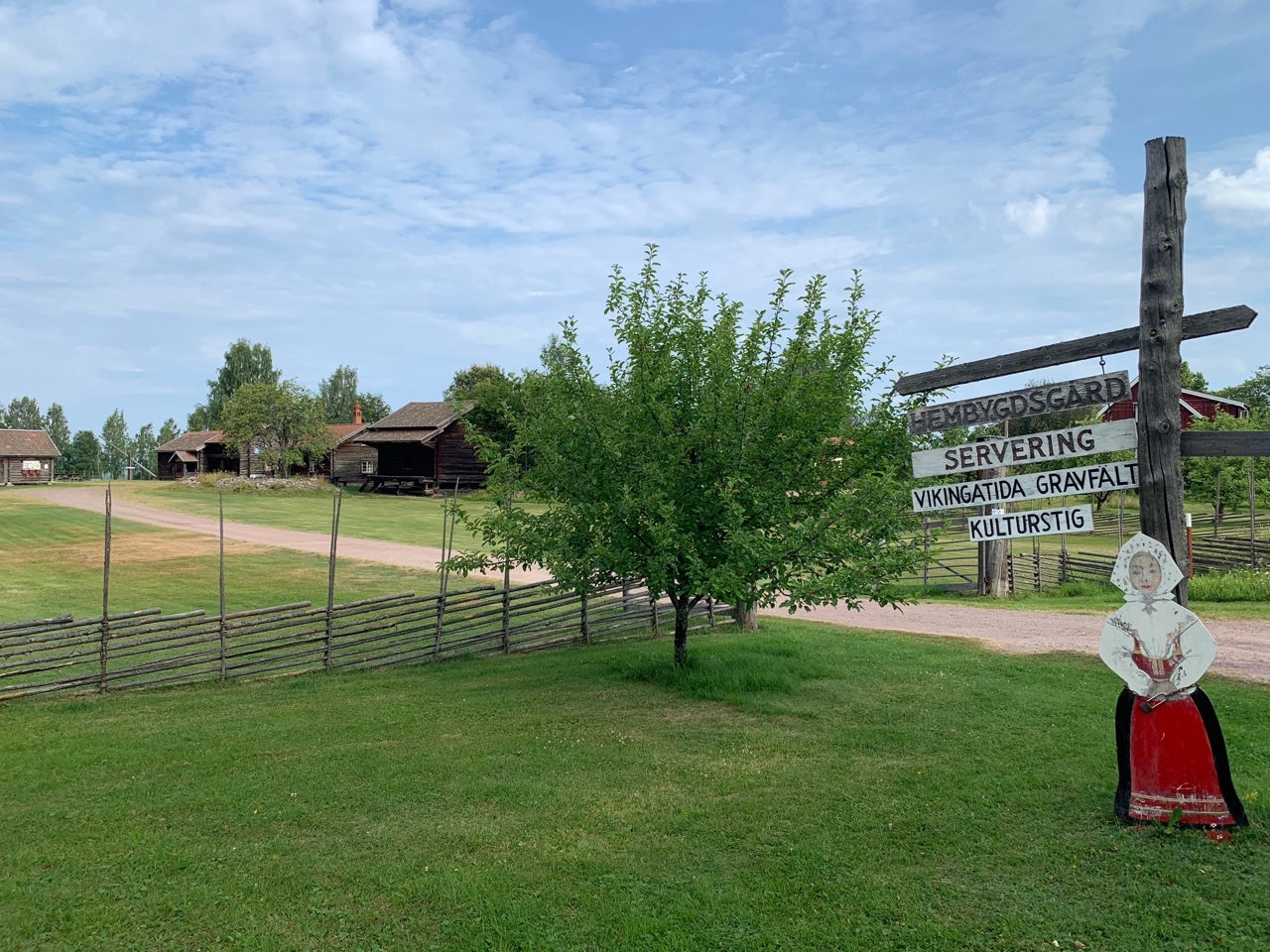
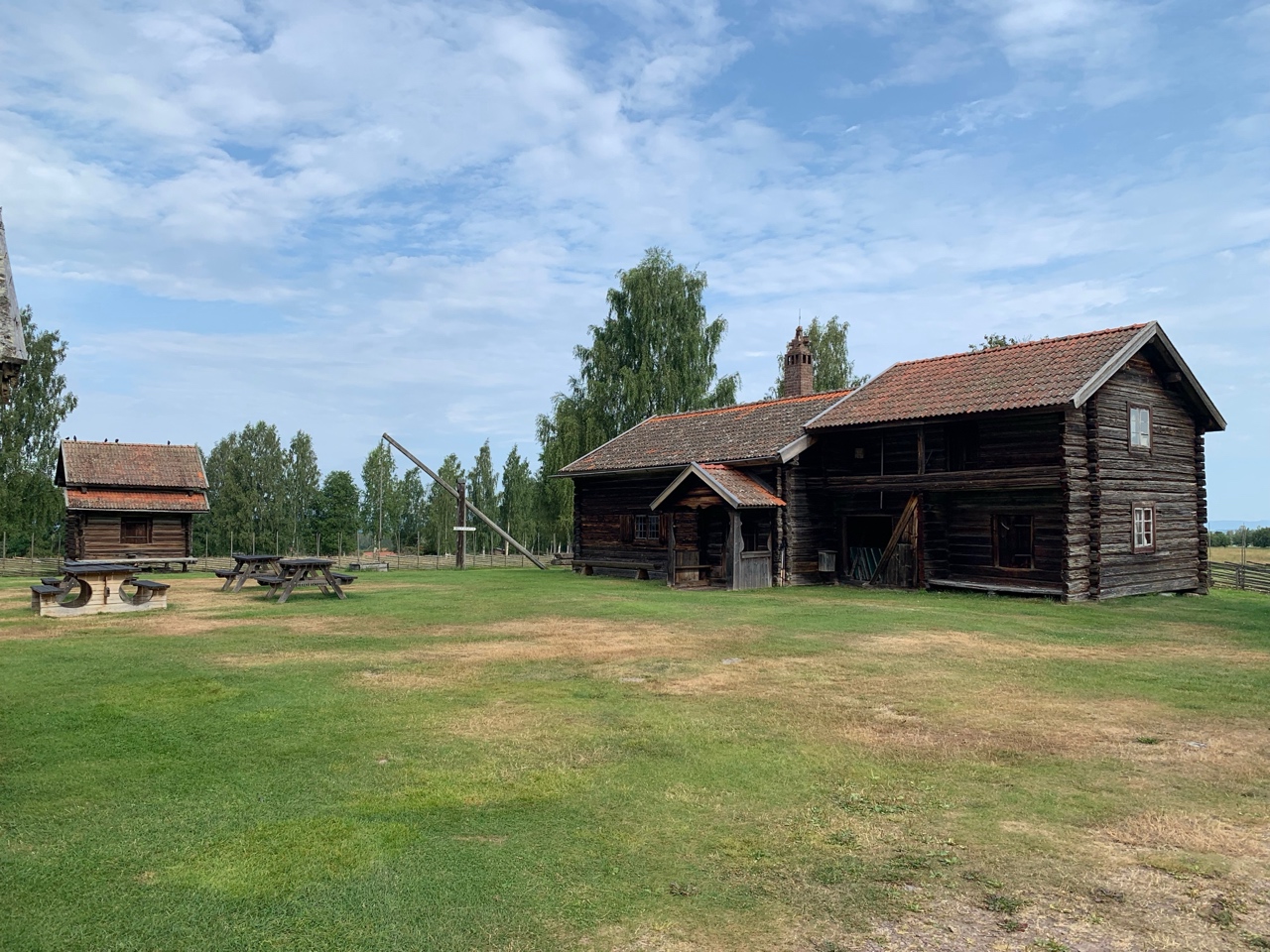
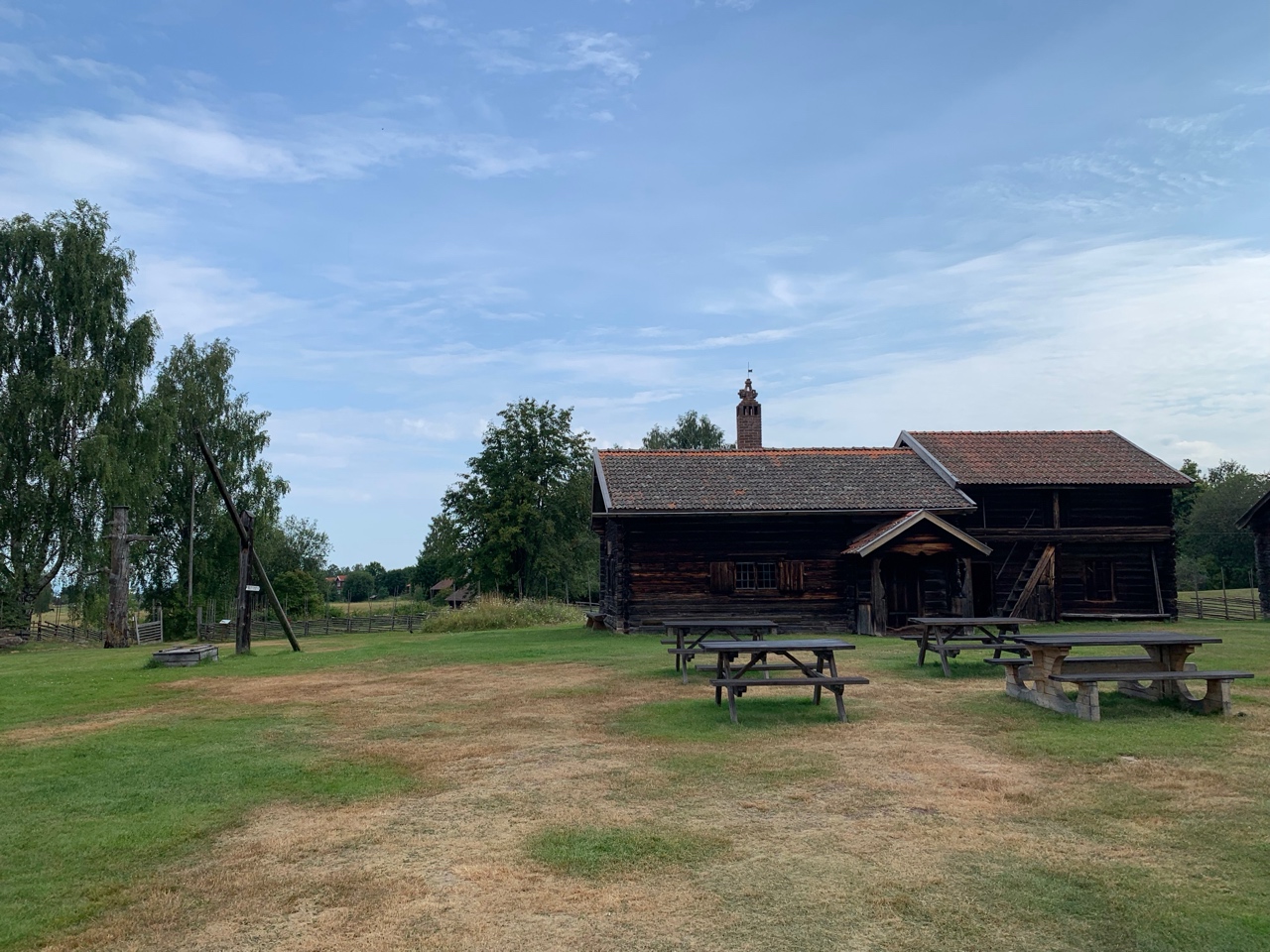
See also page 65 of the guide. Sollerön, or island of the sun, lies in Lake Siljan and has been inhabited for thousands of years; settlements already existed here in the Stone Age. The famous Dalarna horse has a counterpart on Sollerön: the Soldtackan. Tacka means 'ewe'. This wooden sheep originated during a carpentry course in 1952. In the village, in the middle of the island, there is a hembygdsgård (open-air museum with café). Behind it lies a large Viking burial ground.
Arrangements
Packages can also be booked, optionally with luggage transport and hire bikes. Here are two references to Sweden by Bike:
- Bicycle Magic Around Siljan, a five-day cycling tour around Lake Siljan.
- A Four-Day Journey Around Lake Siljan.