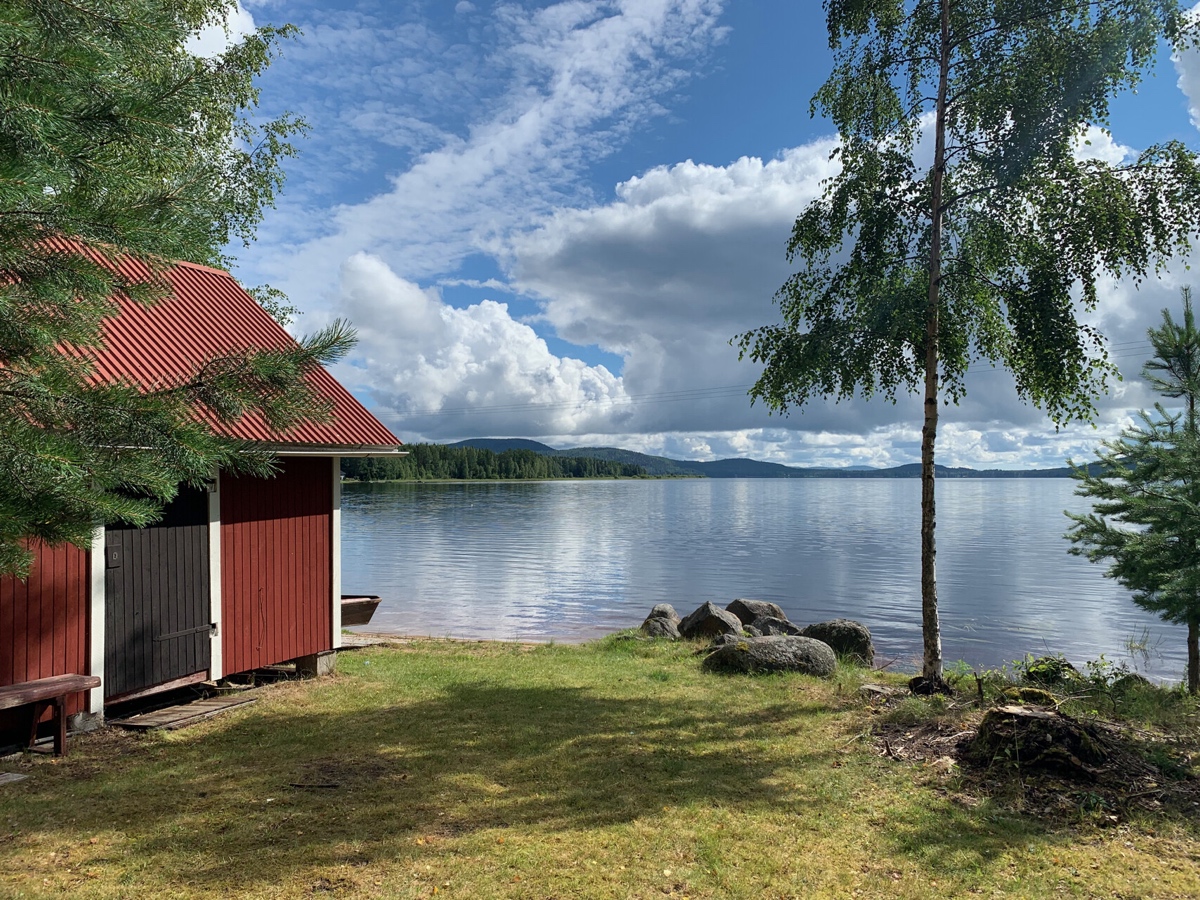
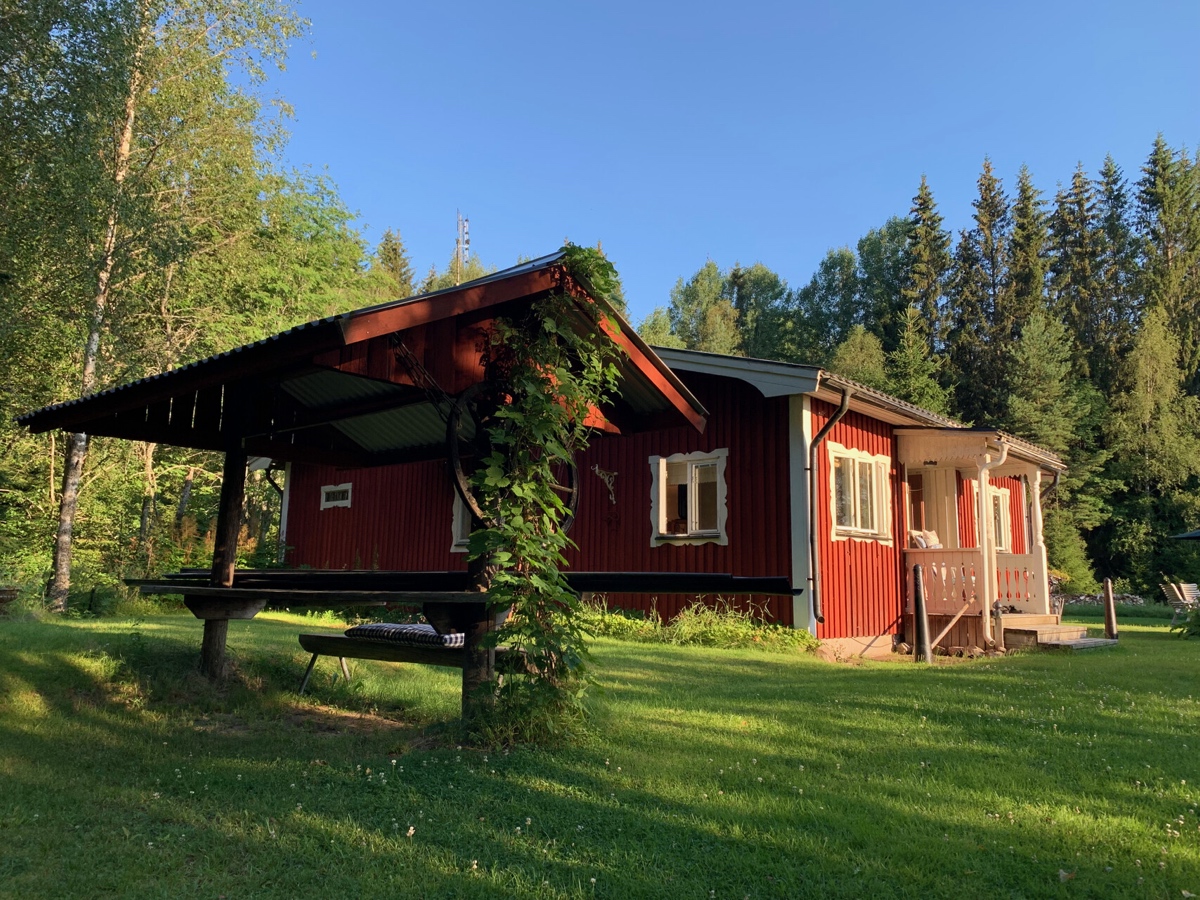
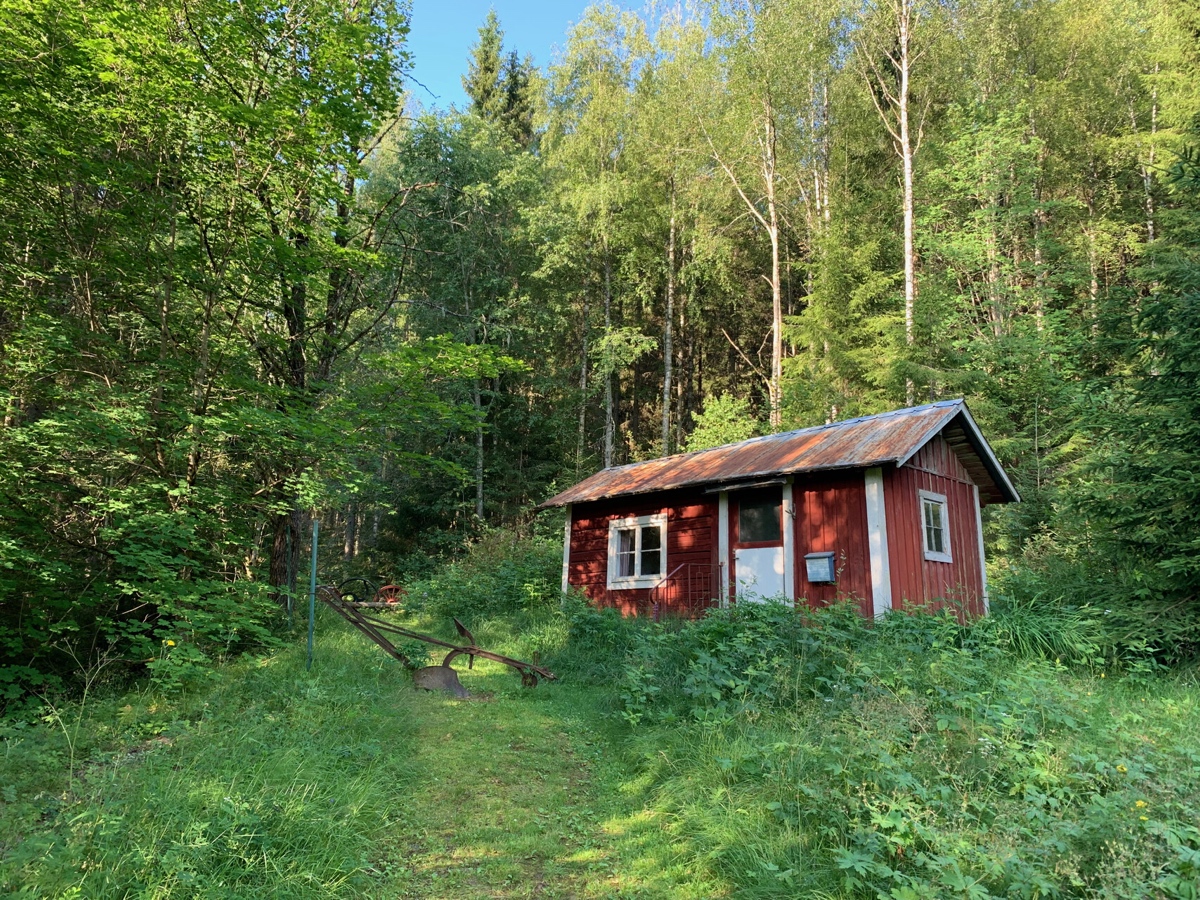
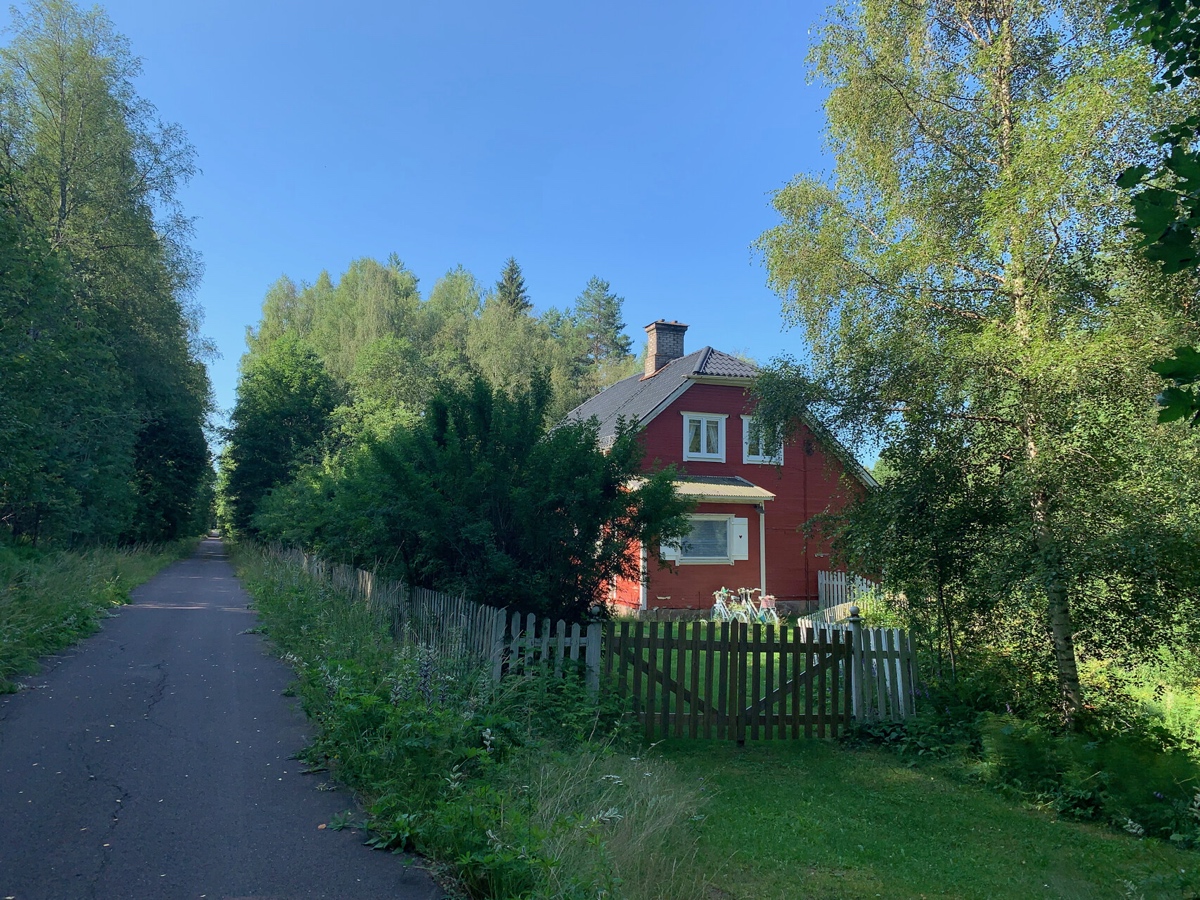
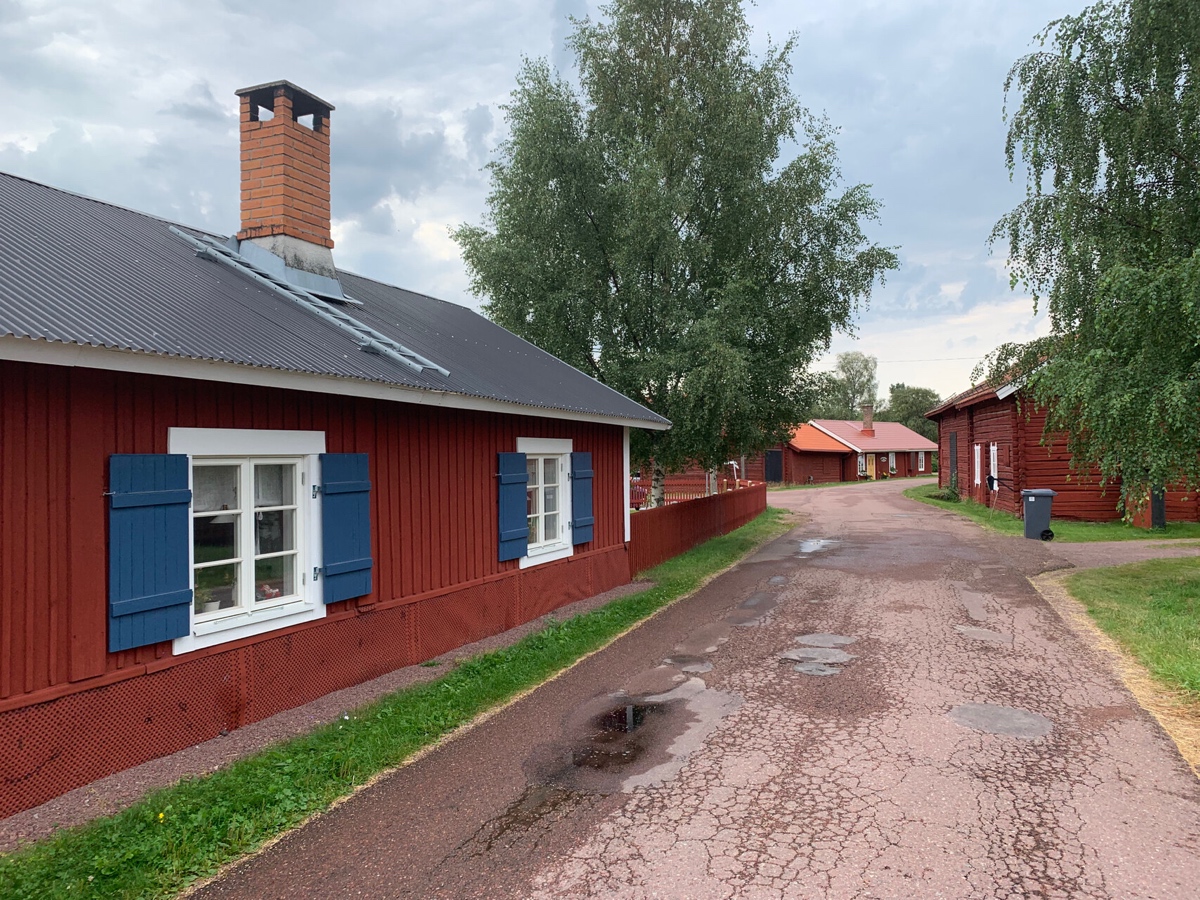
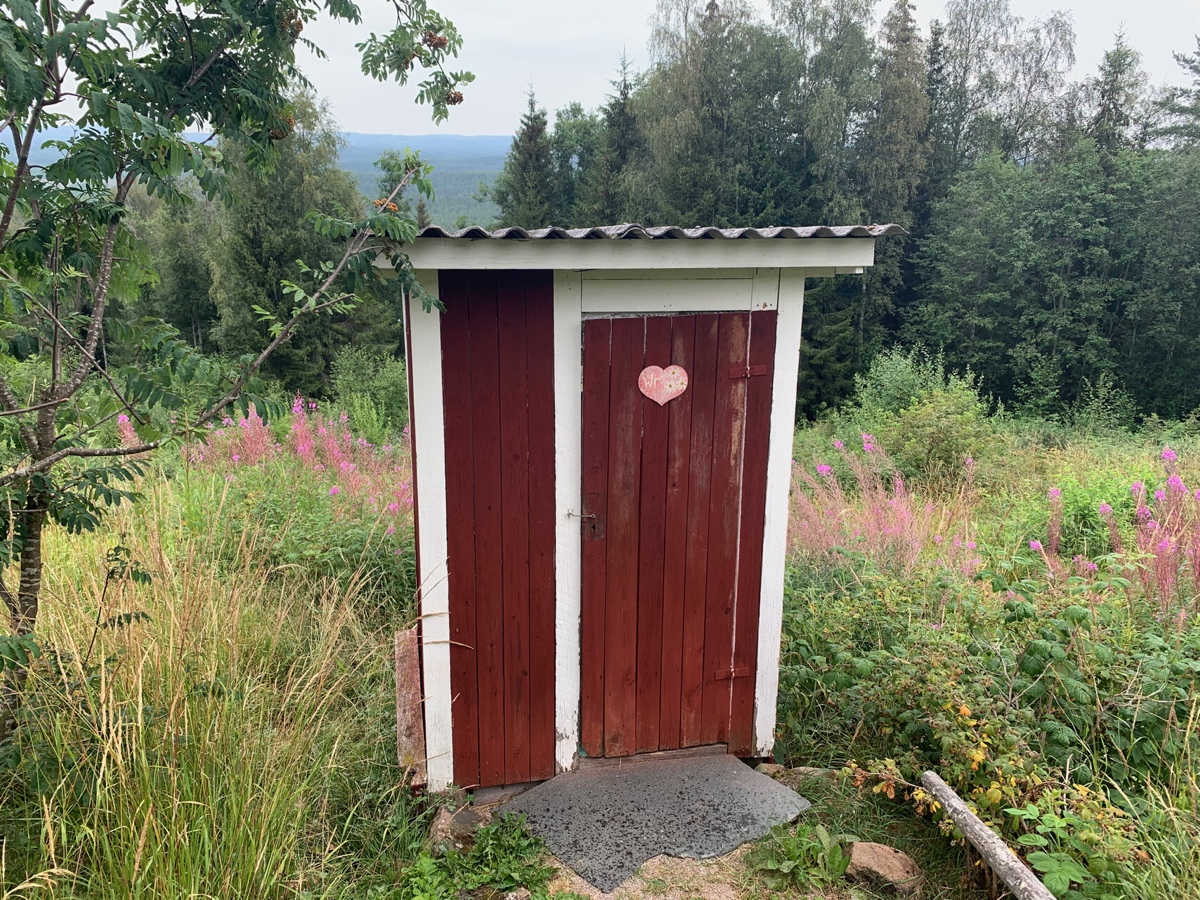
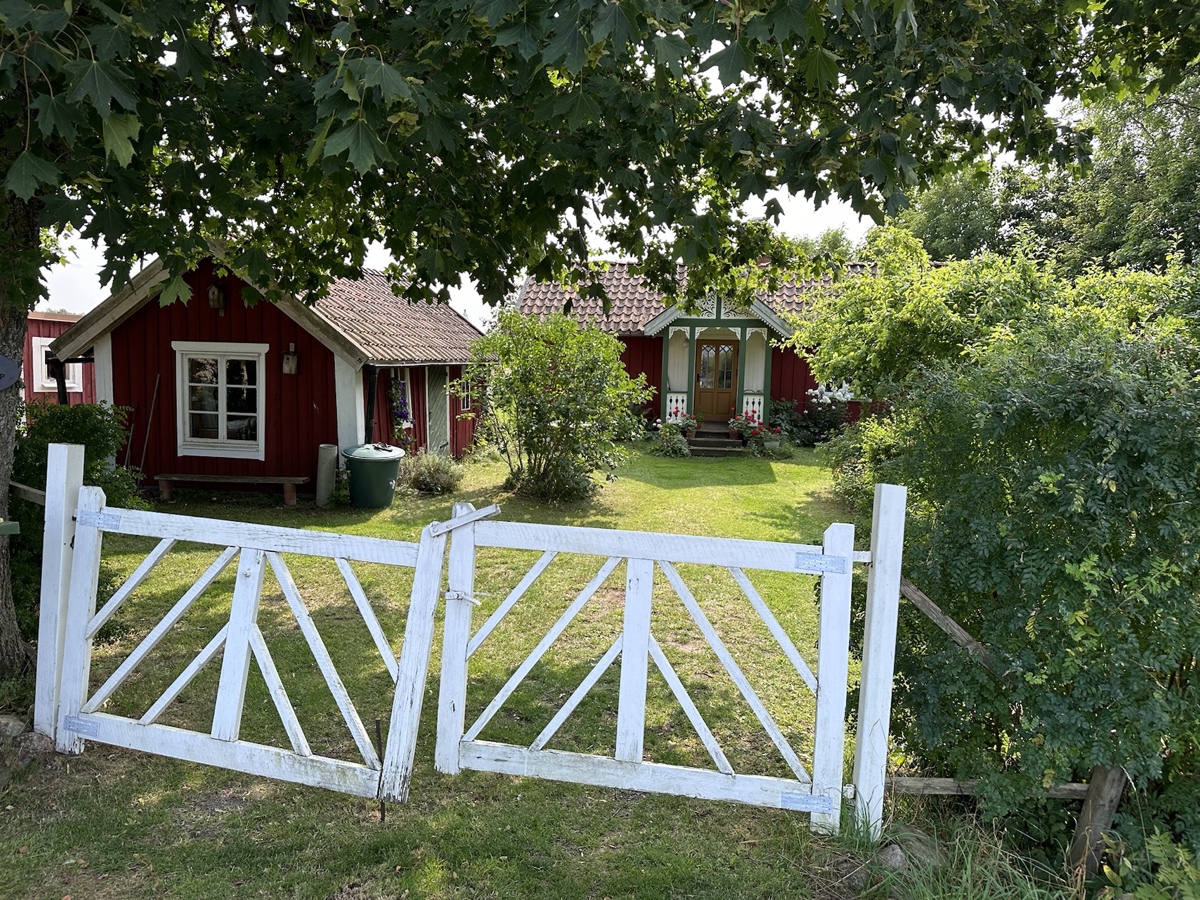
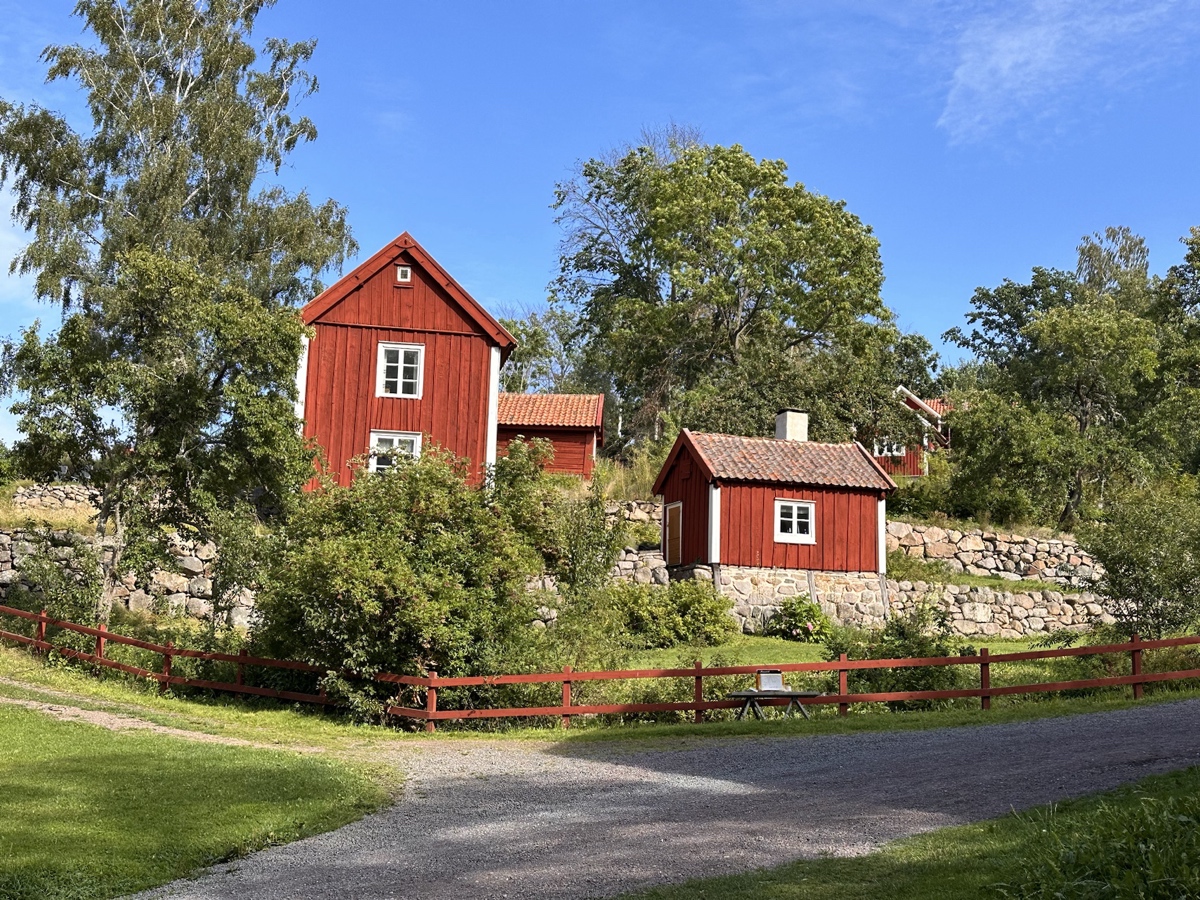
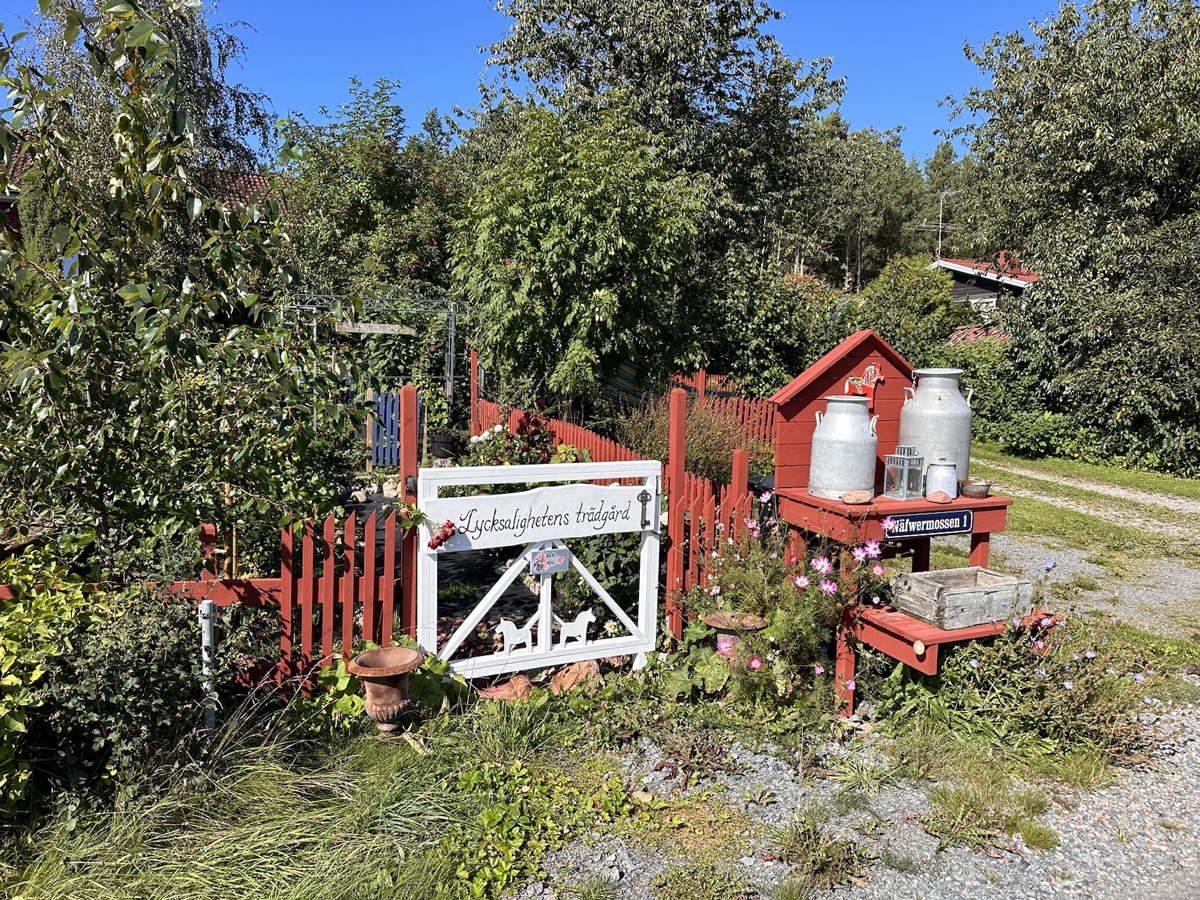
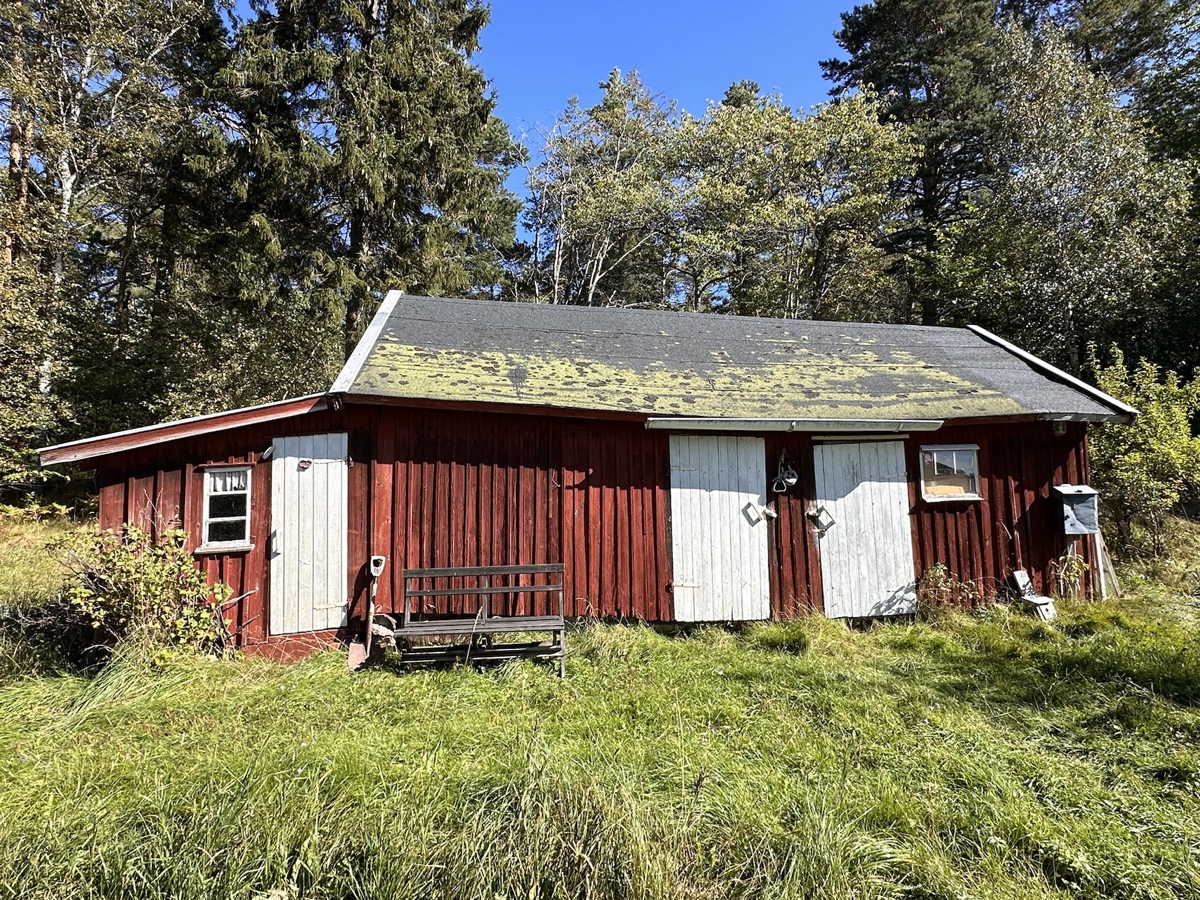
The story behind the traditional red houses in Sweden.
The typical red colour is called Falu röd. The name refers to the copper mine in Falun, a town in the province of Dalarna, about a hundred kilometres southeast of Mora, through which the cycle route On the Way to St. Olav passes. This deep red colour with a brown tint comes from a pigment that has been extracted from ore waste since the thirteenth century. From the sixteenth century, the colour was used to paint houses. King John III of Sweden (1537–1592) played an important role in the popularity of Falu Röd. In order to give Sweden a more prestigious and prosperous image, he had important wooden buildings painted in a colour that imitated the appearance of bricks. The red colour became fashionable and increasingly associated with sustainability and class, even outside the nobility. This trend gradually spread to farmers who wanted their farms to have a similar appearance of prosperity. From the early nineteenth century, the colour also became popular among the poor, partly because of its low price. Falu Röd is now seen as one of the symbols of Swedish rural life.