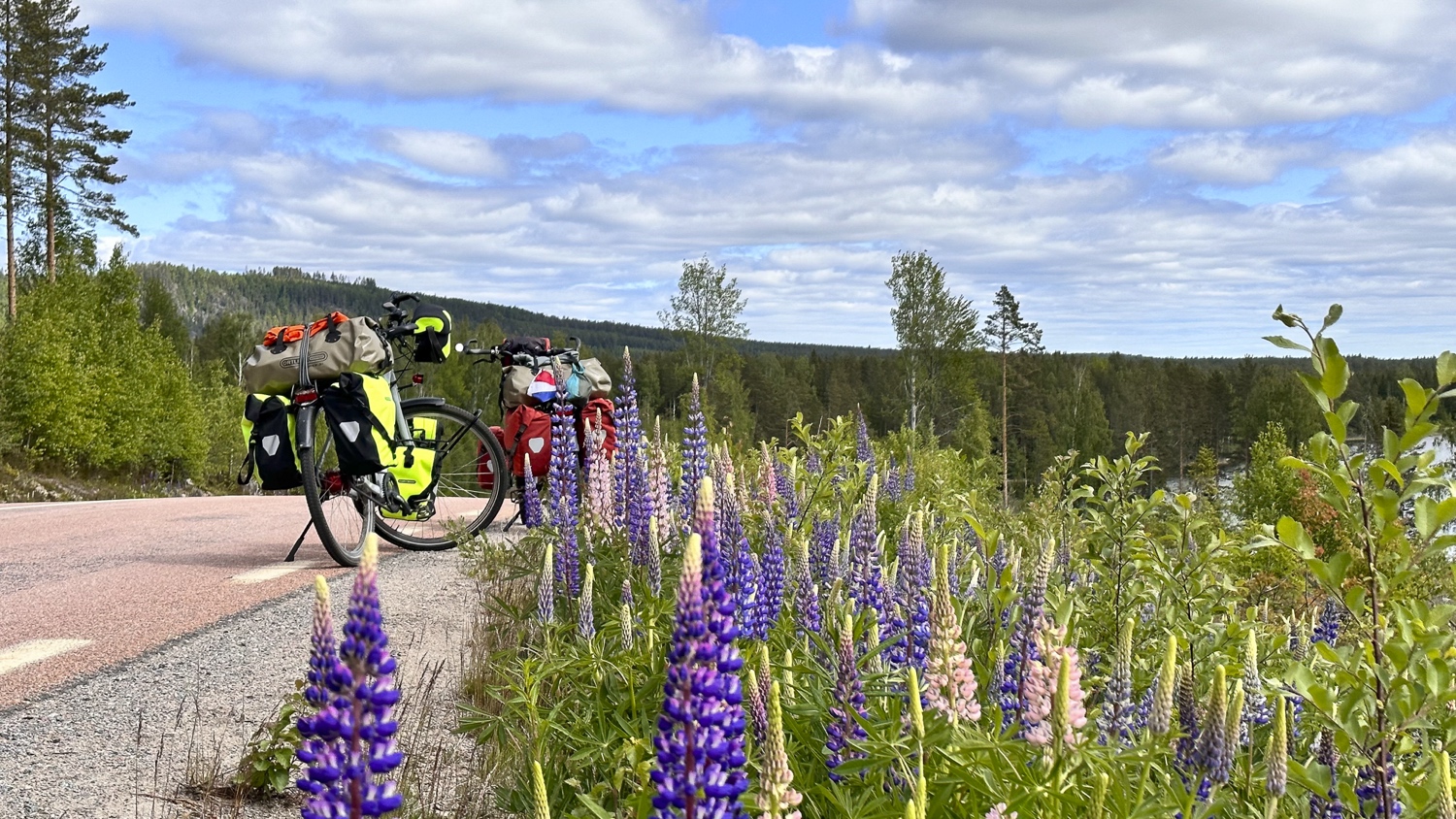
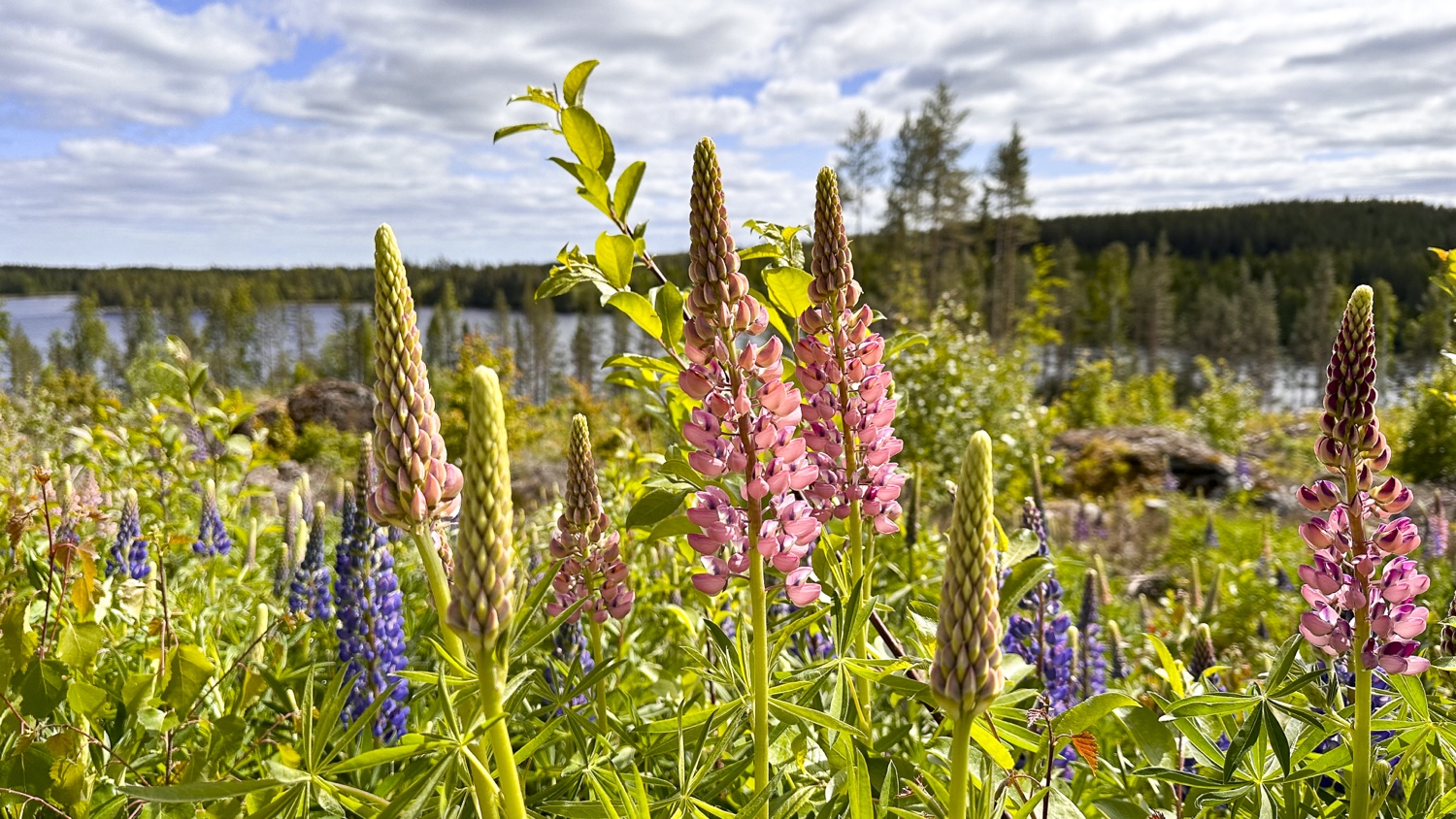
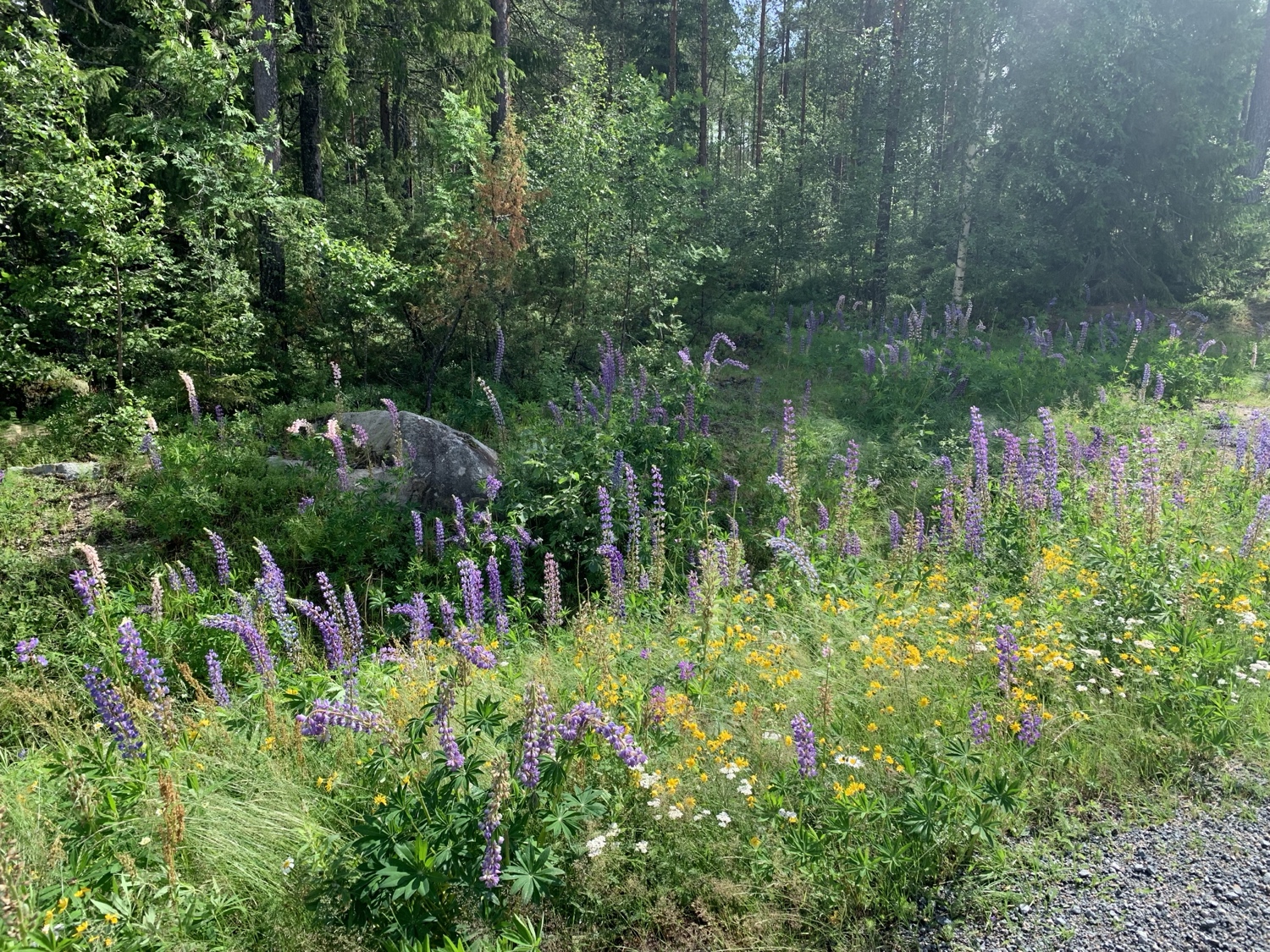
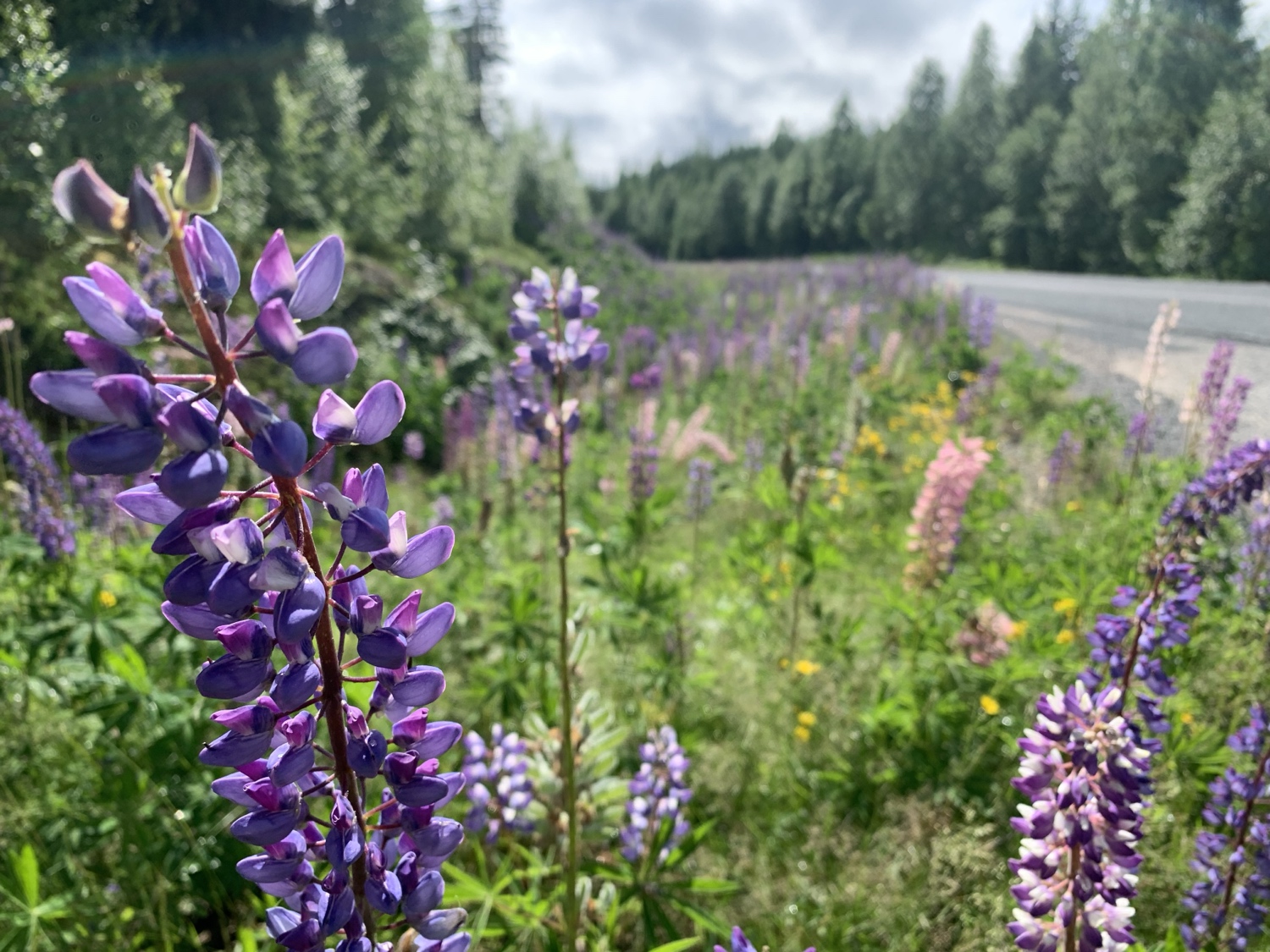
In the 19th century, someone brought a small garden plant from North America to Sweden: the lupine. Since then, it has spread into the wild and can now be found across large parts of Sweden and Norway. The wild lupine growing along roadsides is the so-called perennial lupine, known in Swedish as blomsterlupin (Lupinus polyphyllus). You'll come across this beautiful pink, lilac, and purple plant all along your cycling route.
Yet, despite its beauty, the lupine is often considered a weed. It requires little to thrive and spreads rapidly. Because of its aggressive growth, it outcompetes other species, posing a threat to biodiversity. Although lupines have been part of Sweden’s flora for over a hundred years, opinions about them remain divided. Some see them as an invasive species, and many Swedish municipalities actively try to control their spread, even encouraging people to pick them for bouquets.
Still, many others appreciate the flower. Its vibrant colours evoke a sense of nostalgia, reminding people of Swedish summers.