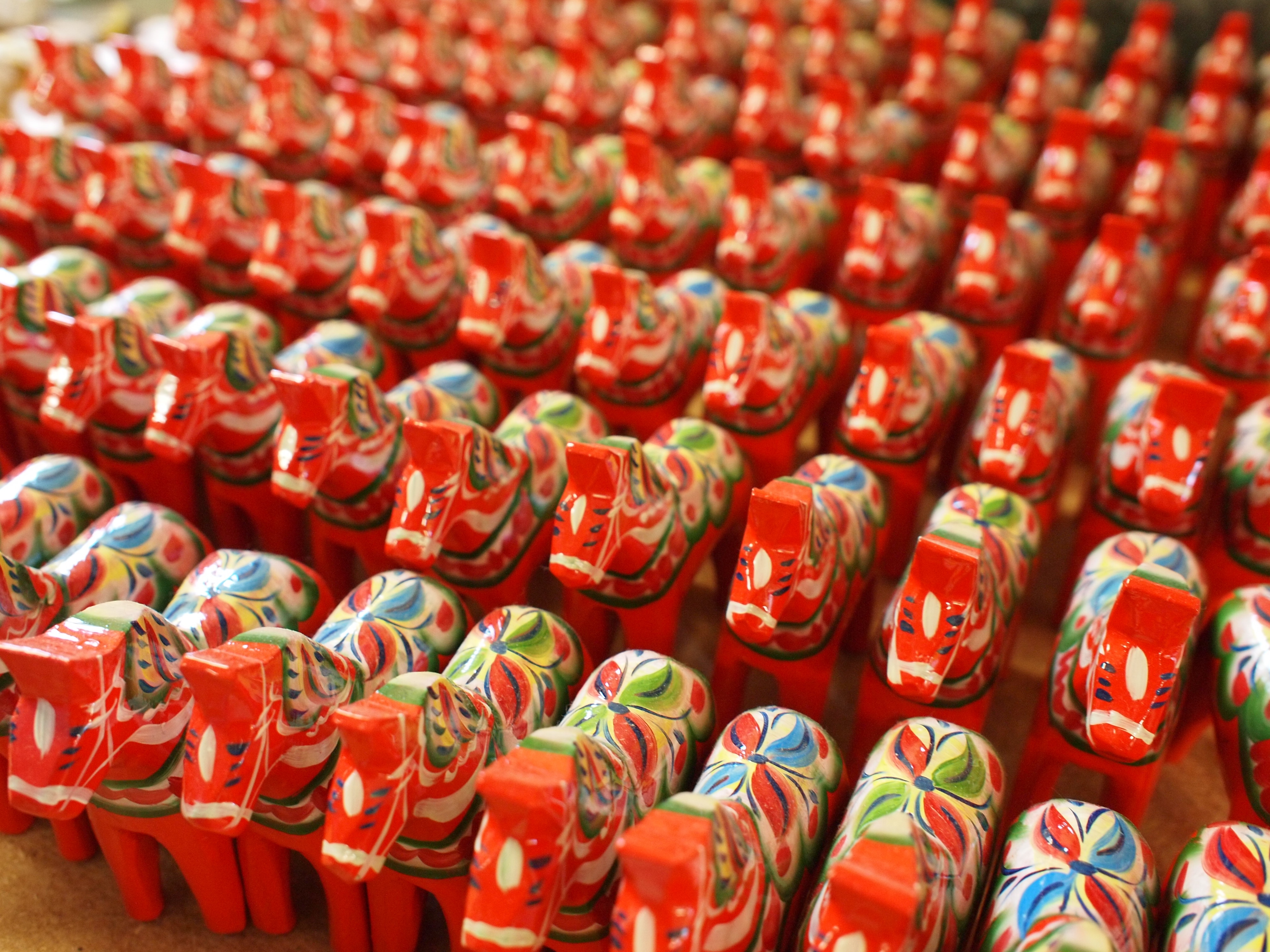
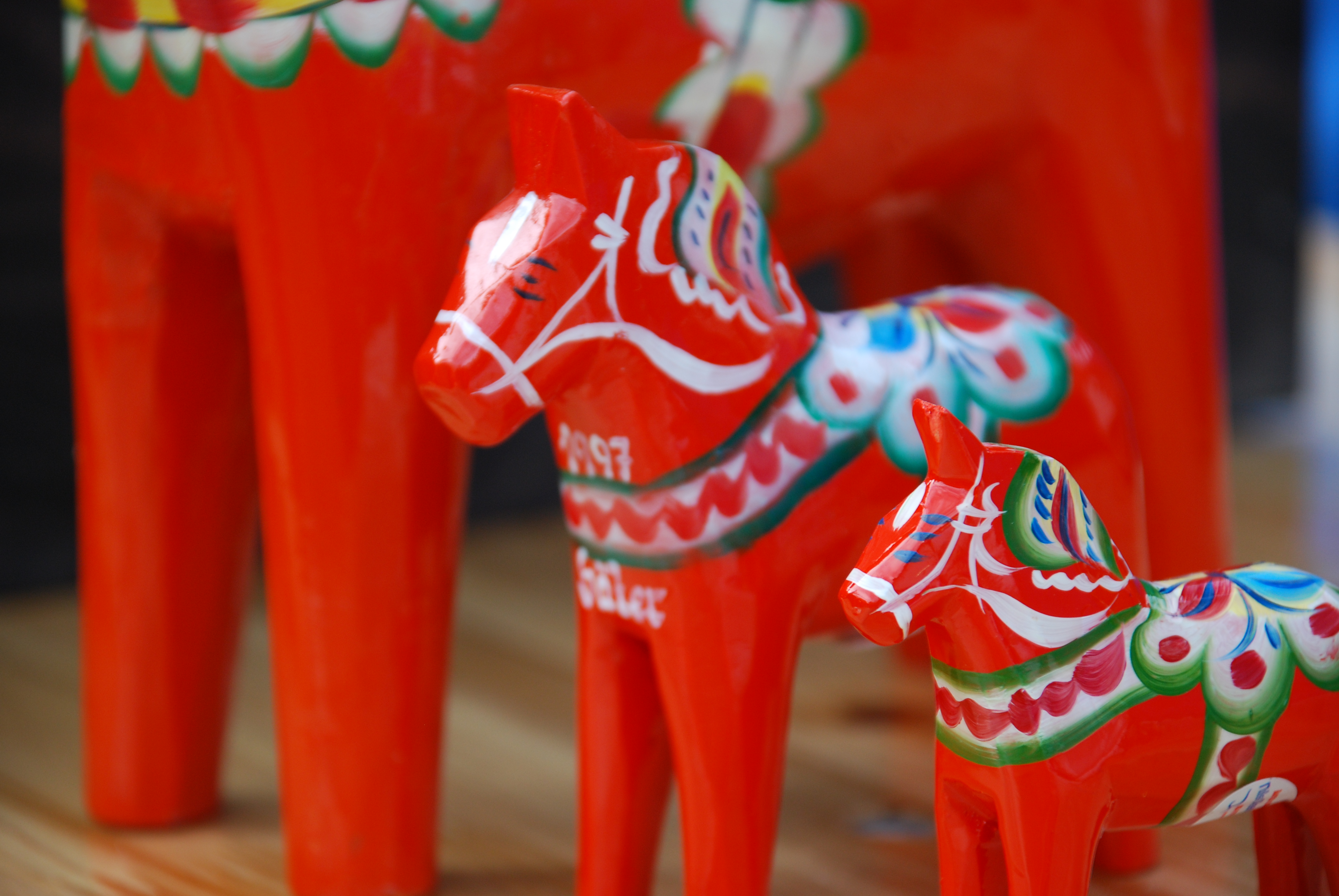
The cycling route On the Way to St. Olav passes through the province of Dalarna, home to the famous brightly painted horses known as dalahäster (with häst meaning horse).
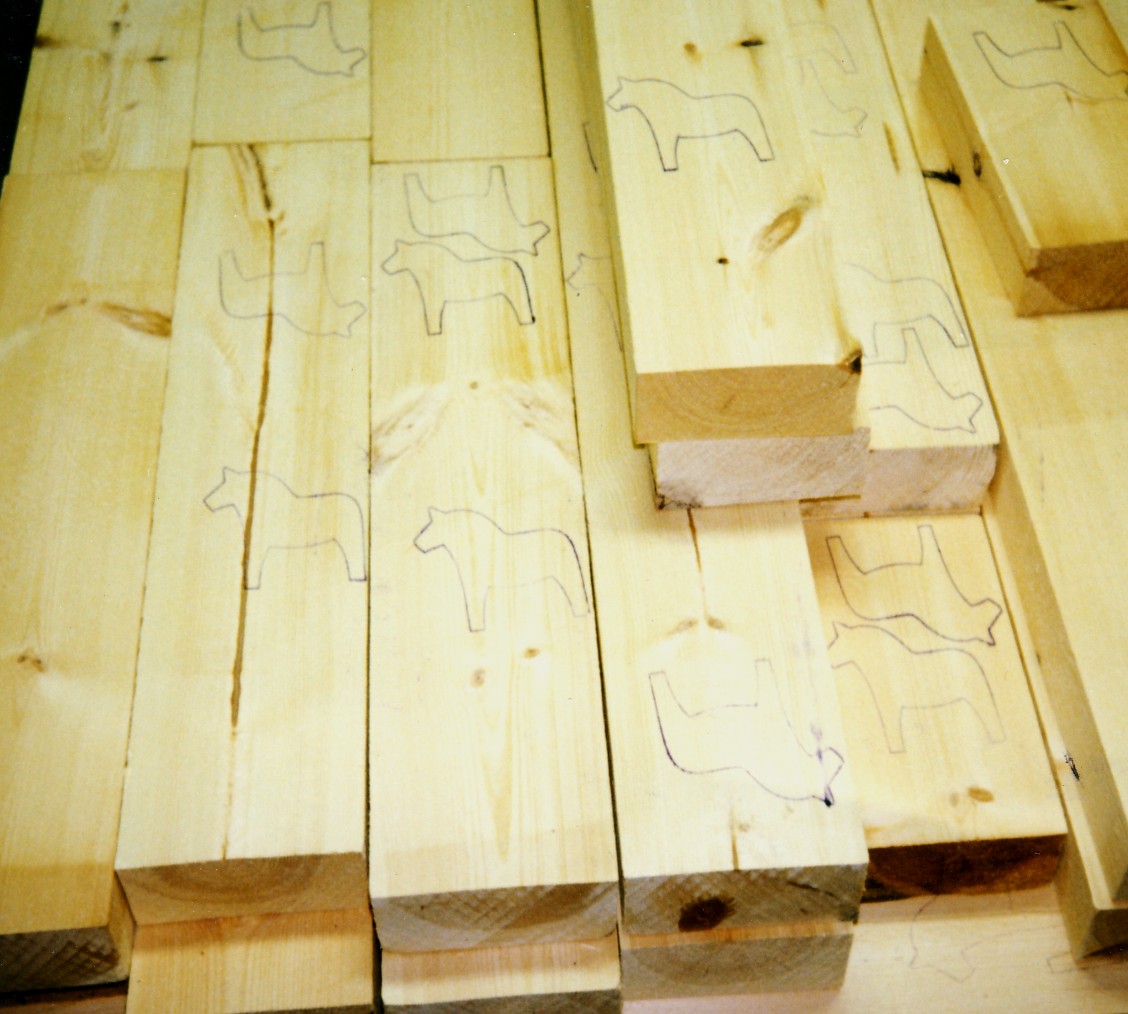
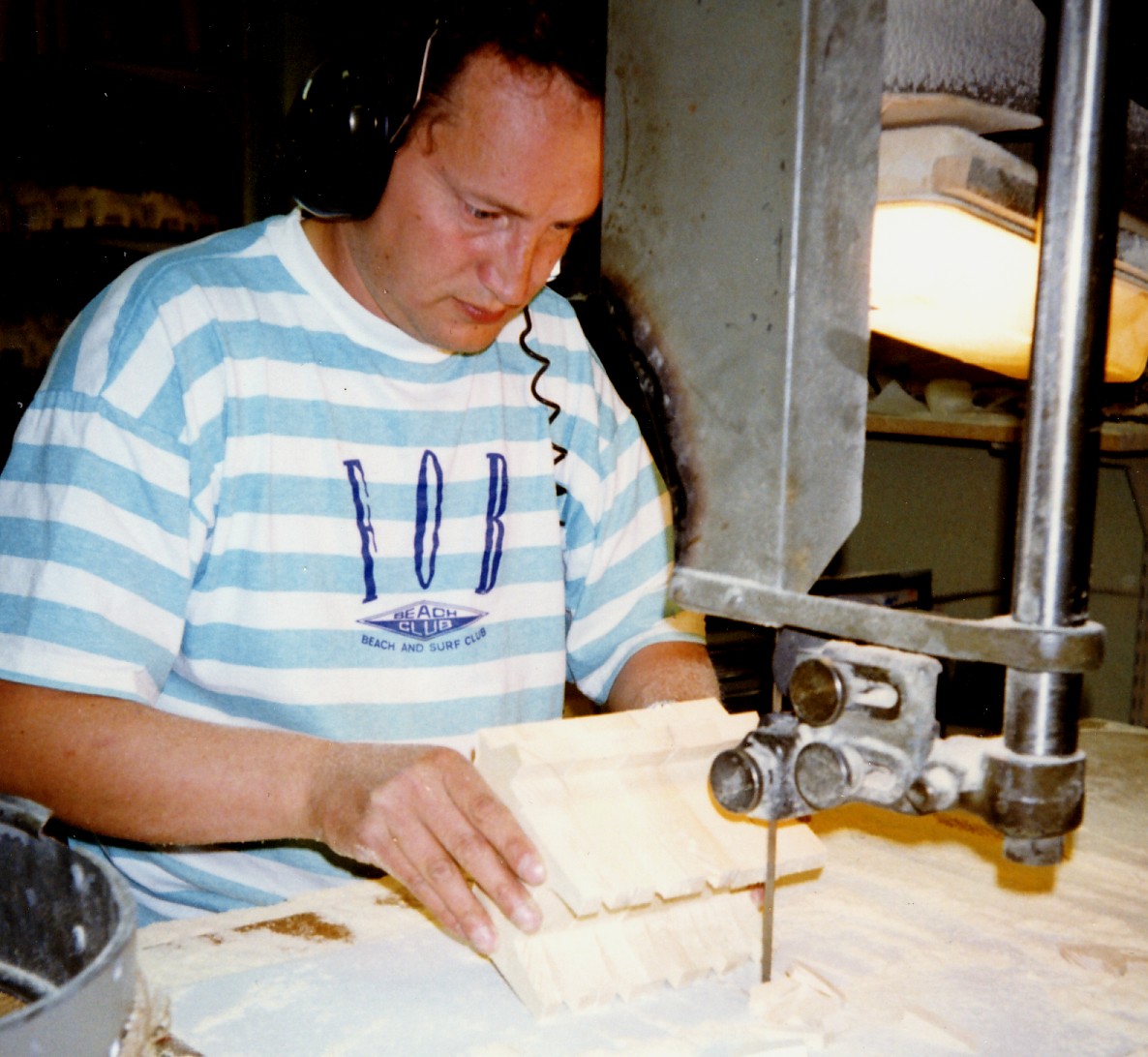
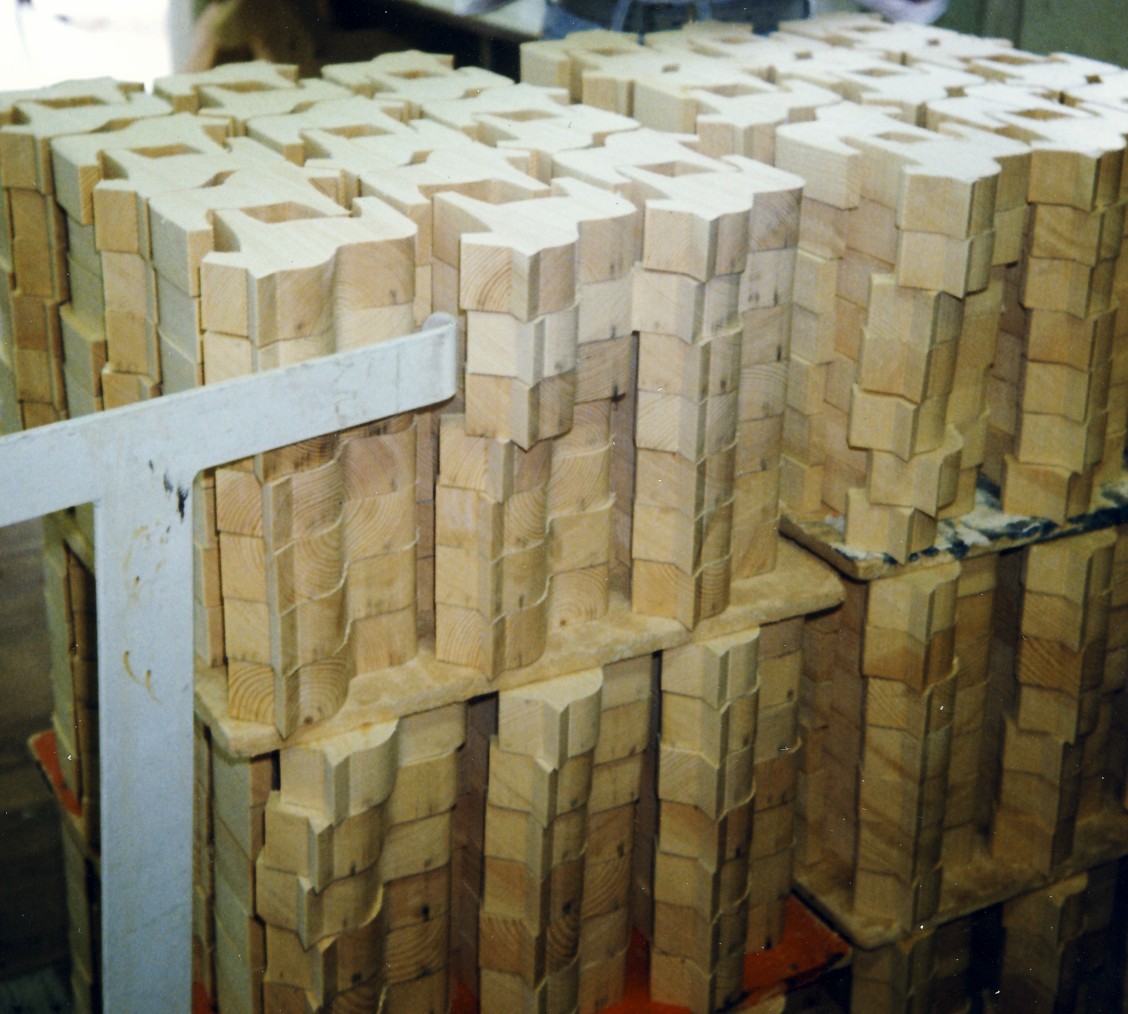
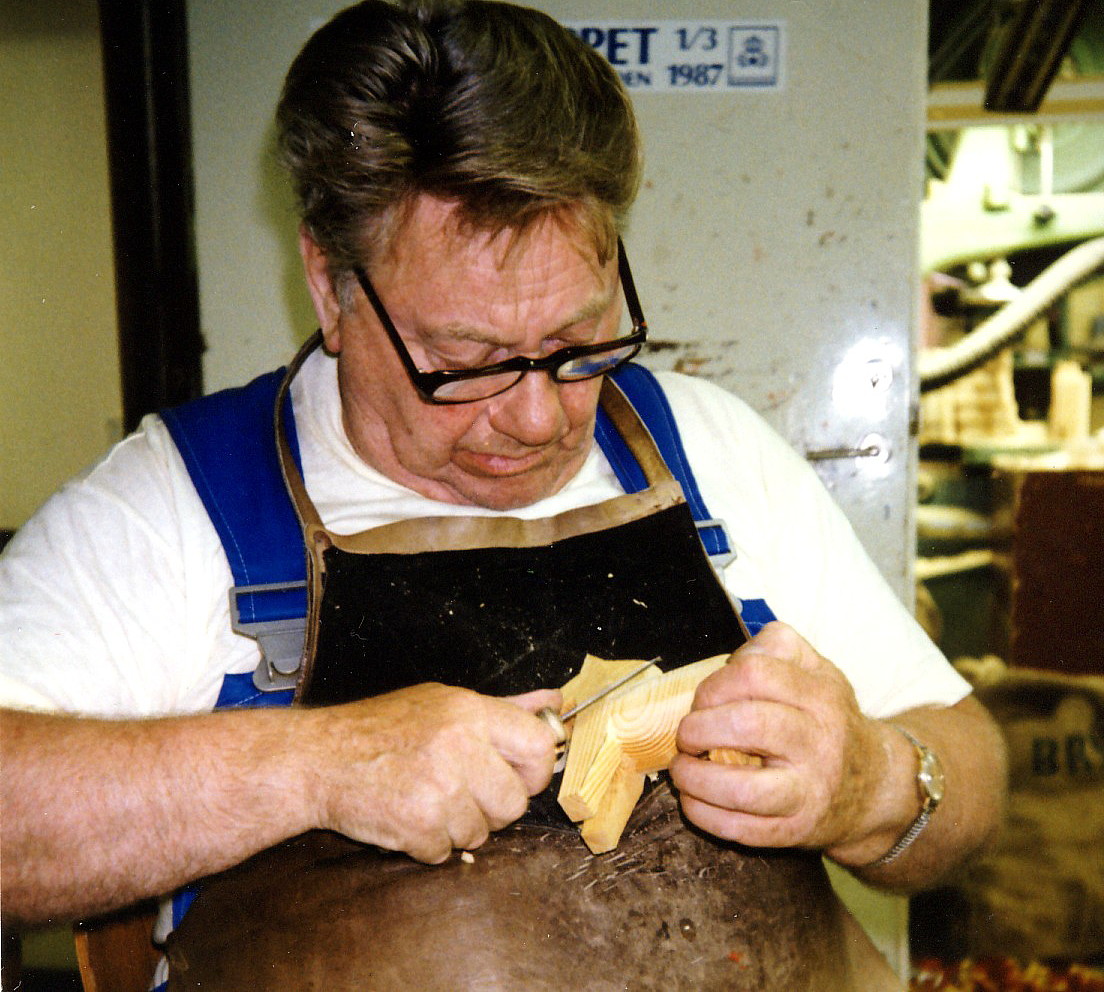
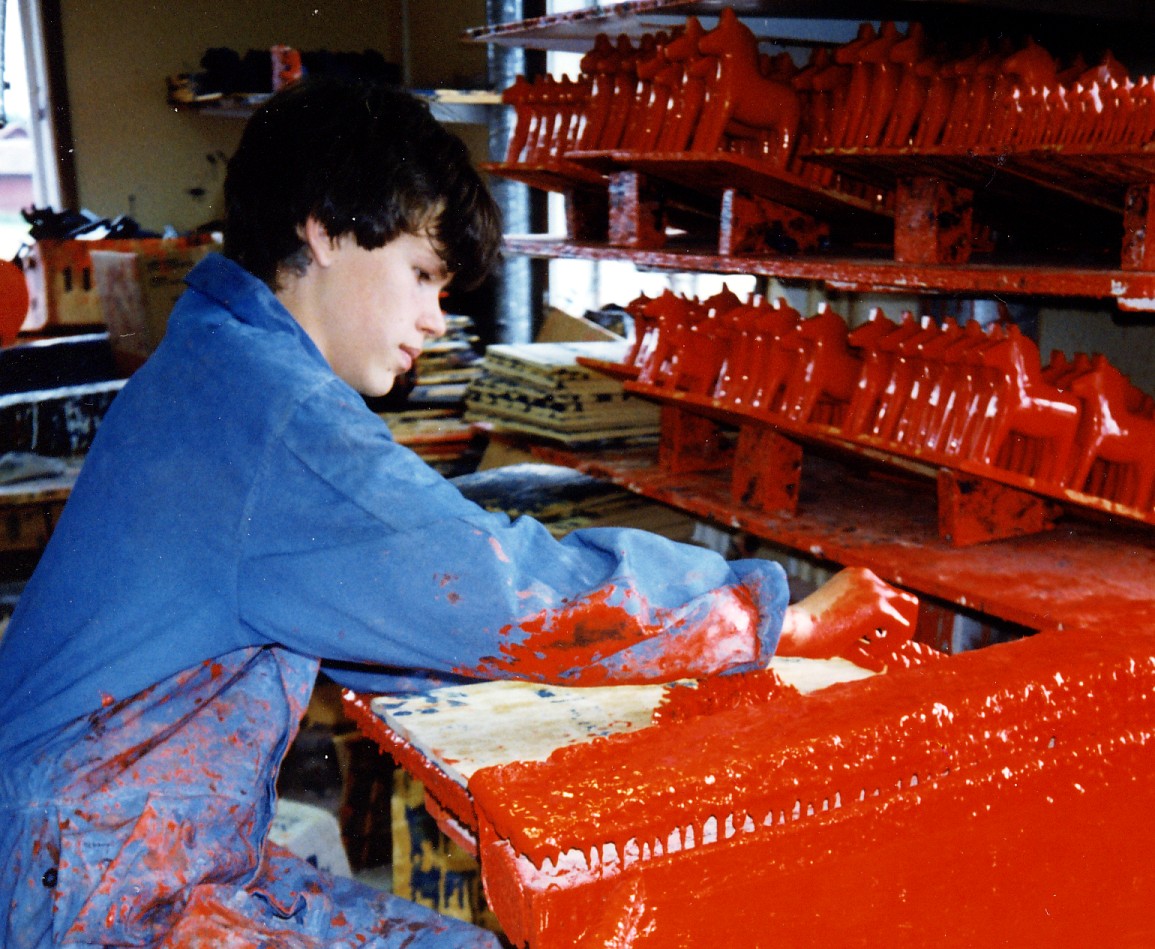
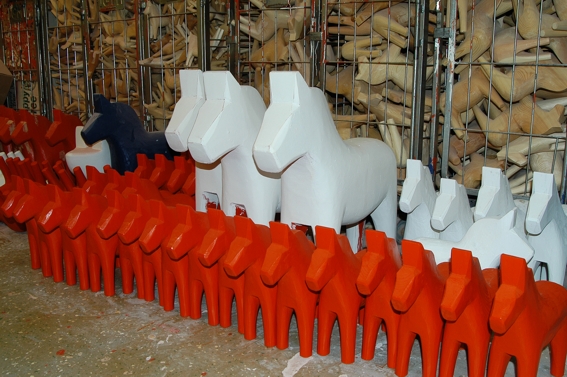
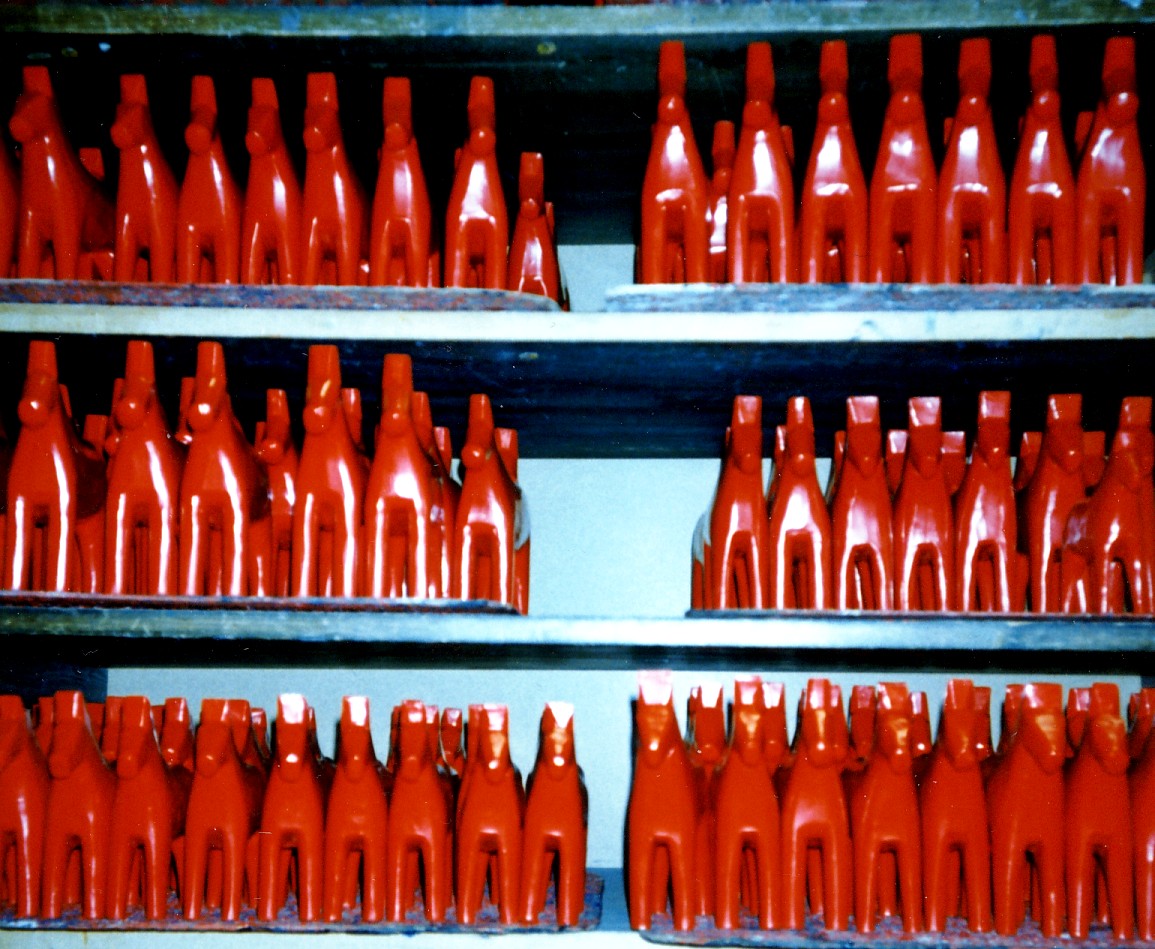
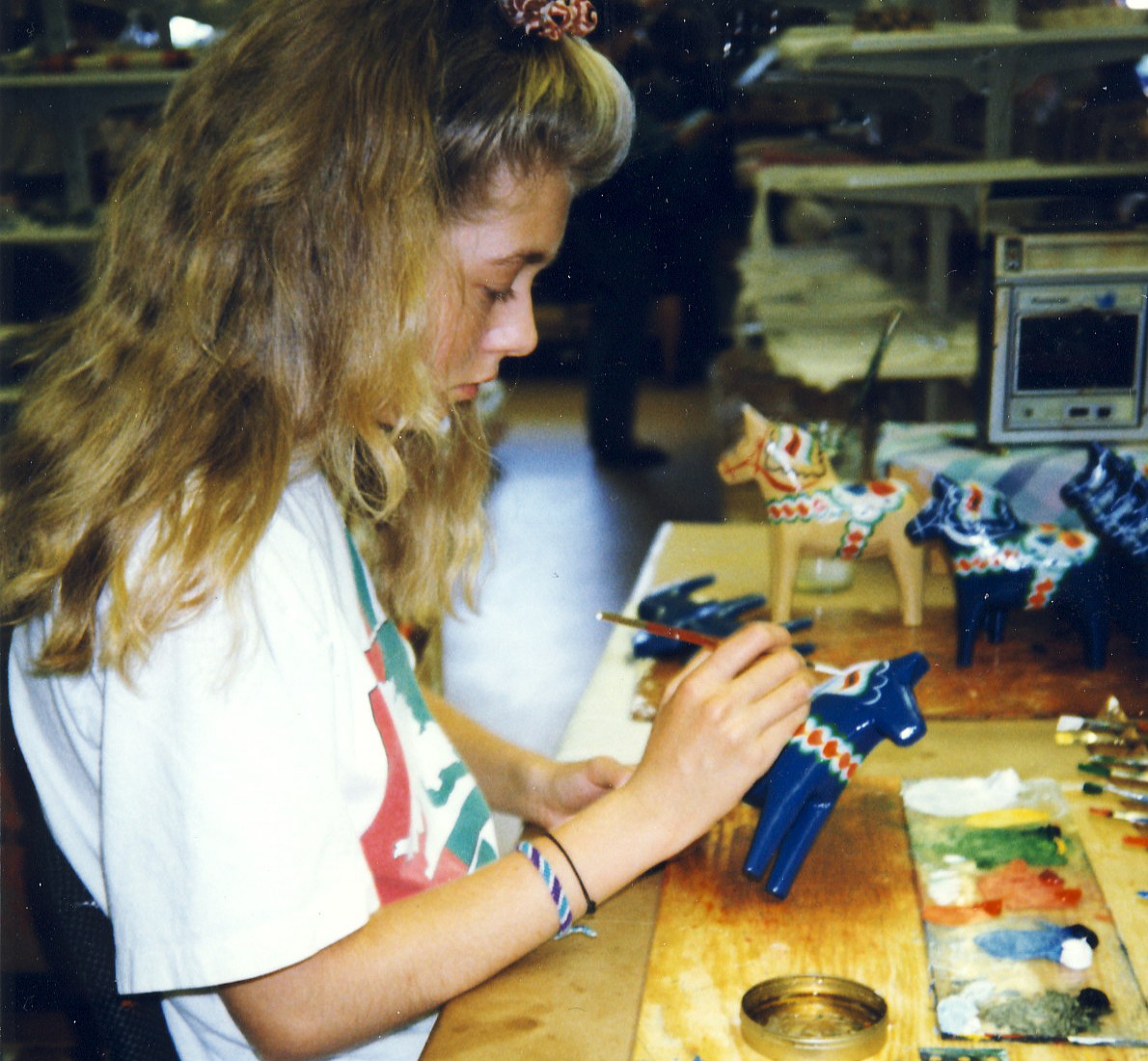
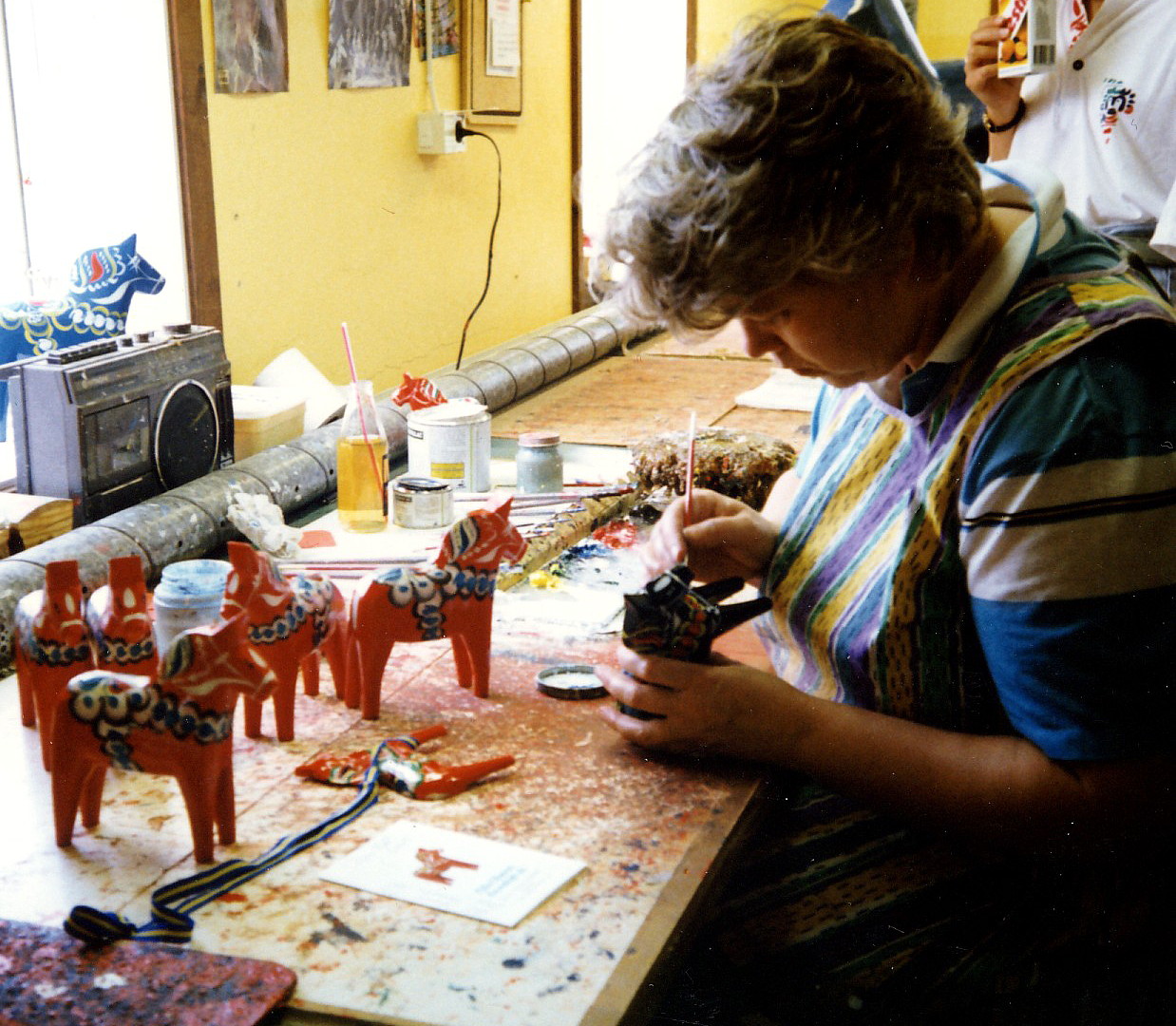
The history of dalahäster, the Dalecarlian horse, goes back hundreds of years. Originally, lumberjacks made these little horses during long winter evenings as toys for their children. Later, they were also used as decorations. Today, Dala horses are still largely made by hand in Nusnäs, a small village on Lake Siljan. The process involves sawing, modelling, painting and varnishing each little horse, making each one unique and often precious. Nusnäs is south of Mora, eight kilometres from the route. The additional route mentioned in the guidebook, “Around Lake Siljan” passes through Nusnäs.
Trivia
- The largest Dala horse in the world is located in Avesta (over 100 km south of the route). The concrete structure is 13 metres high, 12 metres long, weighs 66.7 tonnes.
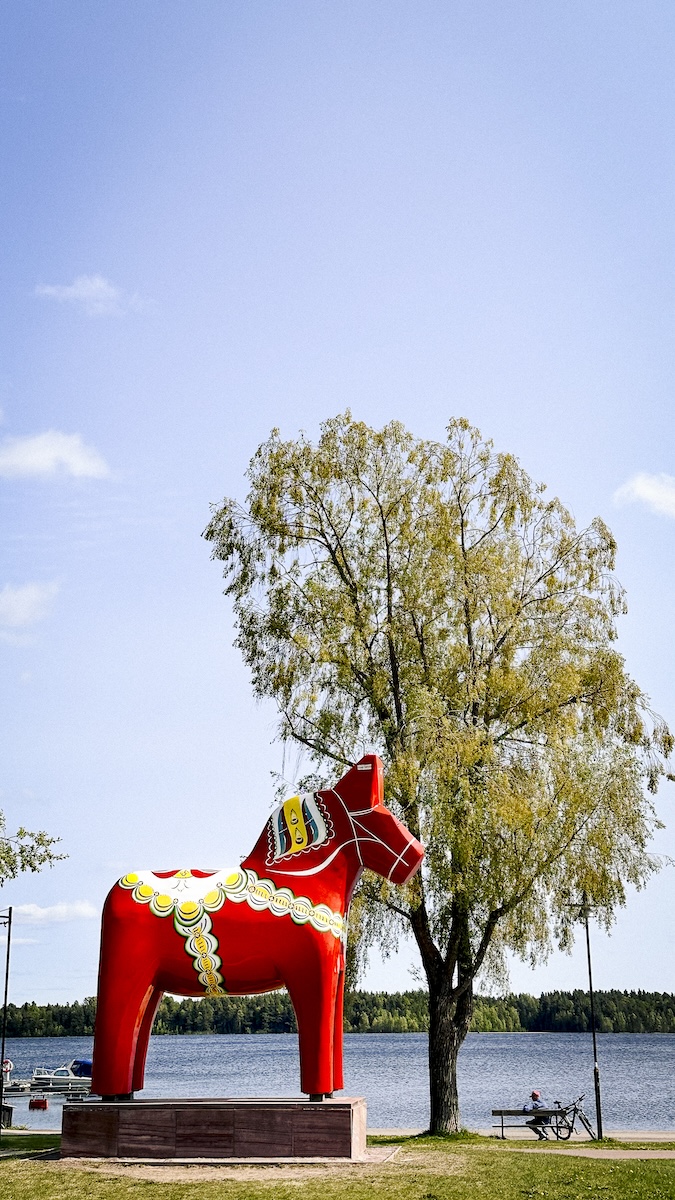
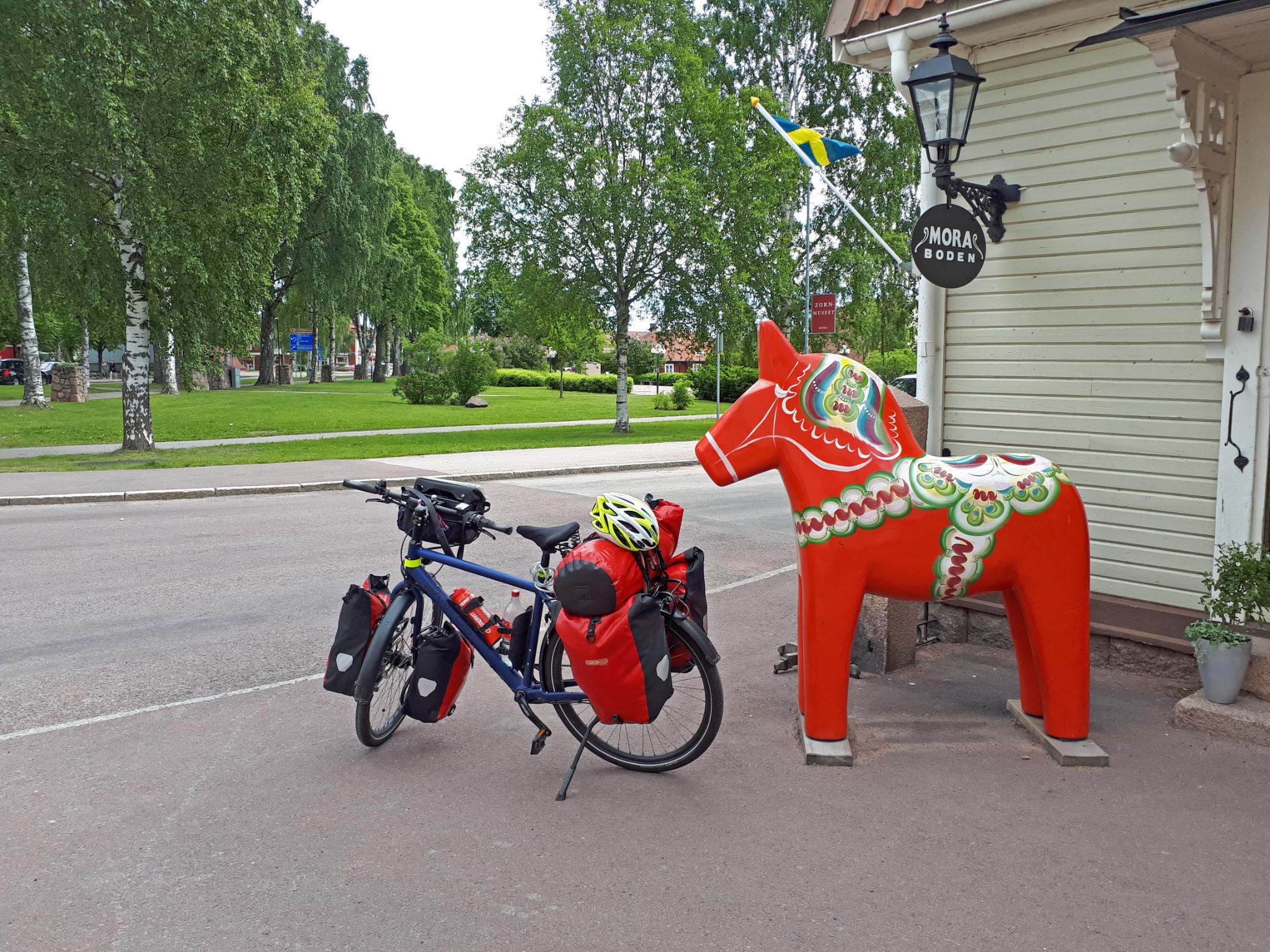
- The largest wooden Dala horse in the world stands in Mora. This is where the cycle route passes (see photo).
- The big breakthrough for the valley horse was at the 1939 New York World's Fair. The 2.5-metre-high horse stood at the entrance to the Swedish pavilion
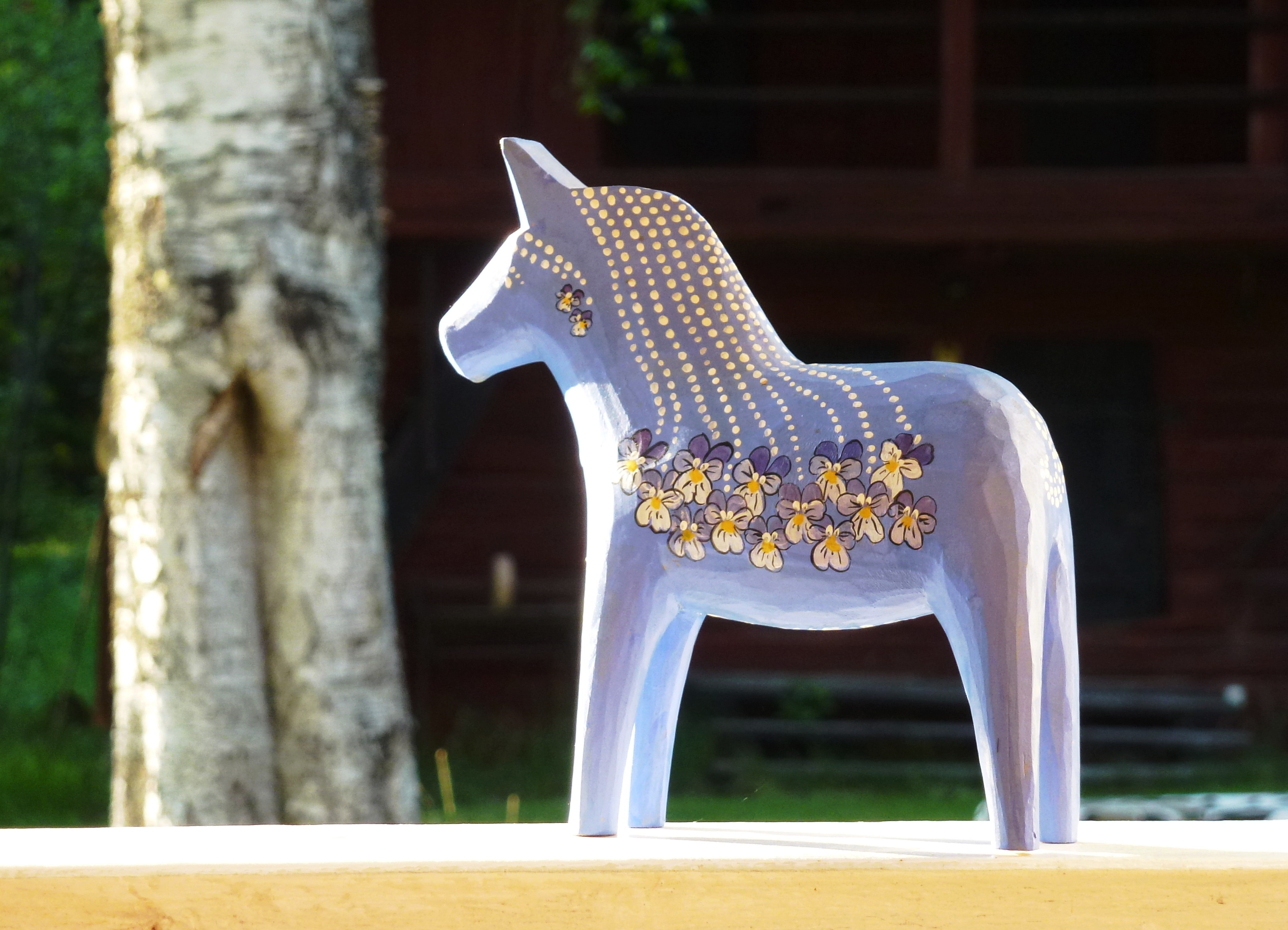
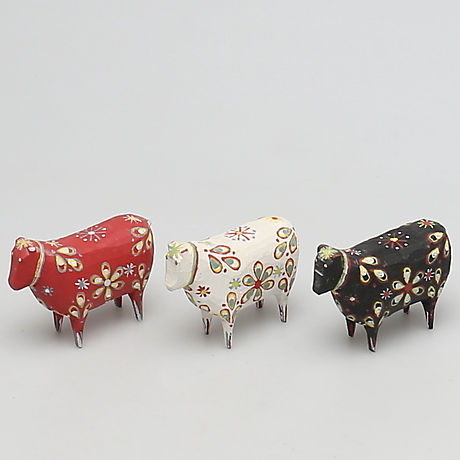
- There are many different types of Dala horse, for example bornhästen, rättvikshästen, siljanshästen, leksandshästen, soldtackan and many more in various colours. The latter is not a horse, but a sheep and comes from
- The island of Sollerön over which the cycle route passes.
- The Dala horse is the most frequently purchased souvenir by tourists coming to Sweden.
- The smallest Dala horse produced was only 3.4 mm high and 2.2 mm wide
Click on the pictures to enlarge.
The largest Dala horse in the world in Avesta:

The largest wooden Dala horse in the world is located in Mora, right along the cycling route:
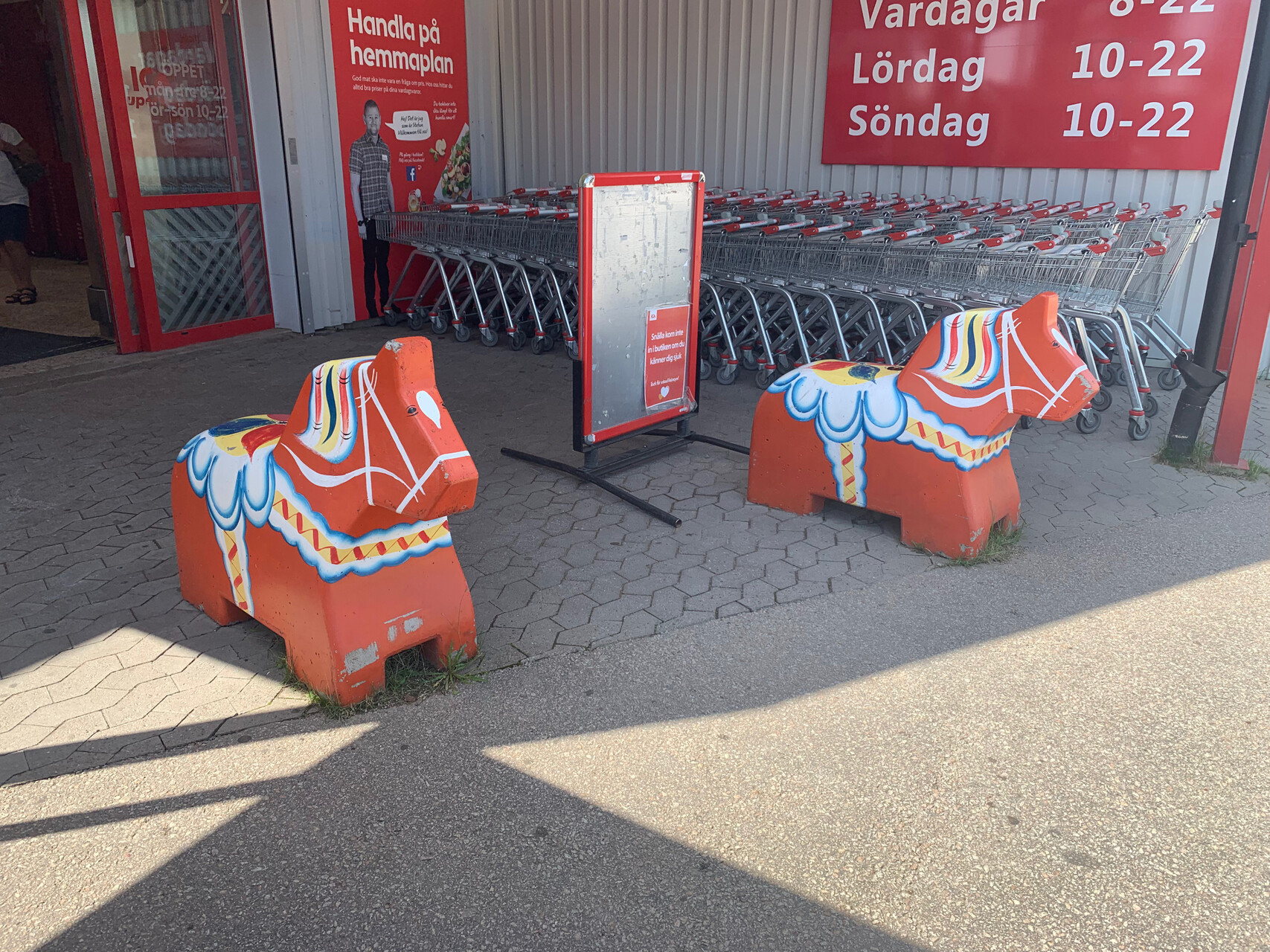
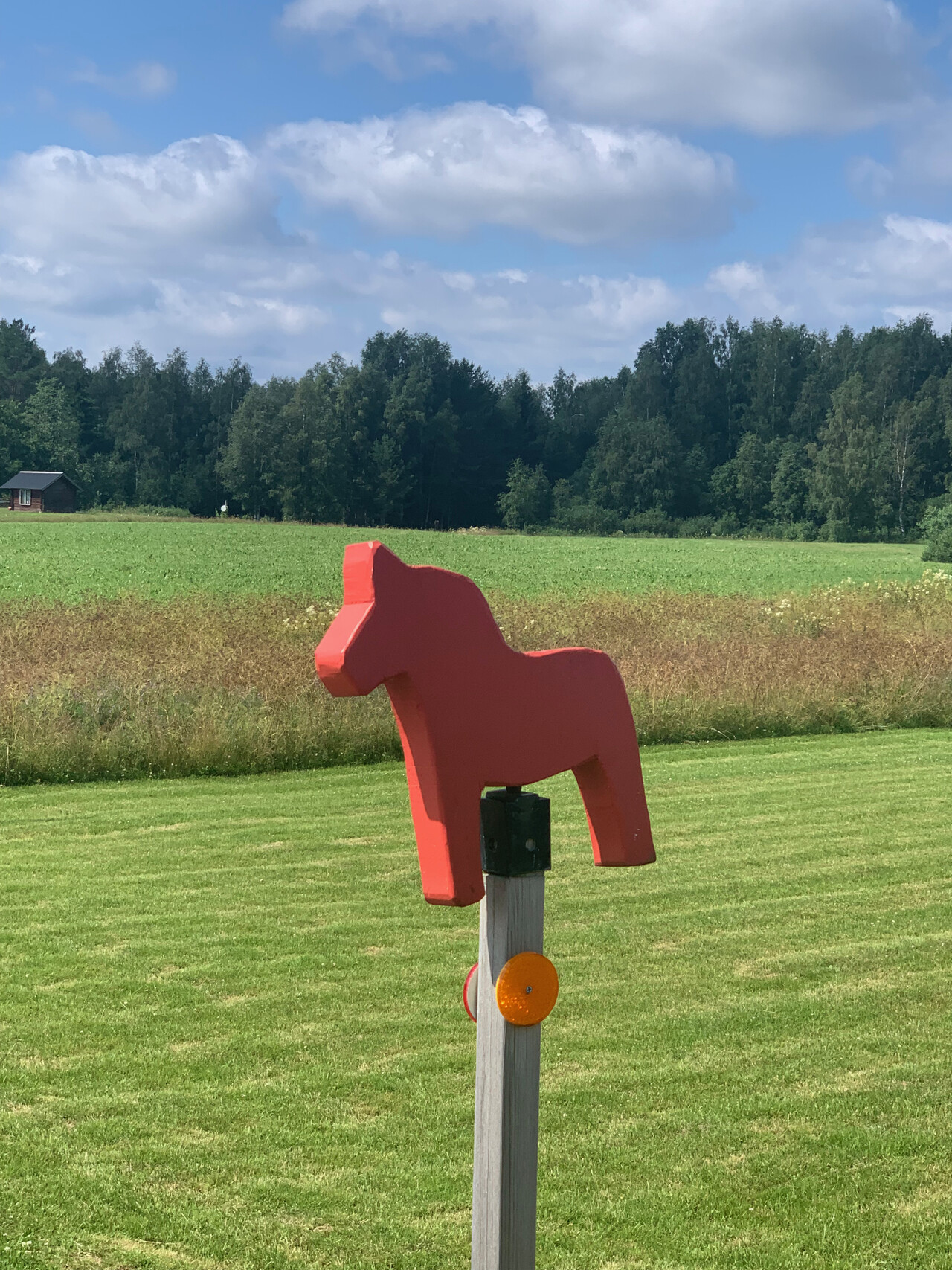
On the road on your bike, you see them everywhere:
Ludvikahästen:
Soldtackan, the sheep of the island of Sollerön over which the cycle route passes:
The horses are still made by hand in Nusnäs: